
Blooming
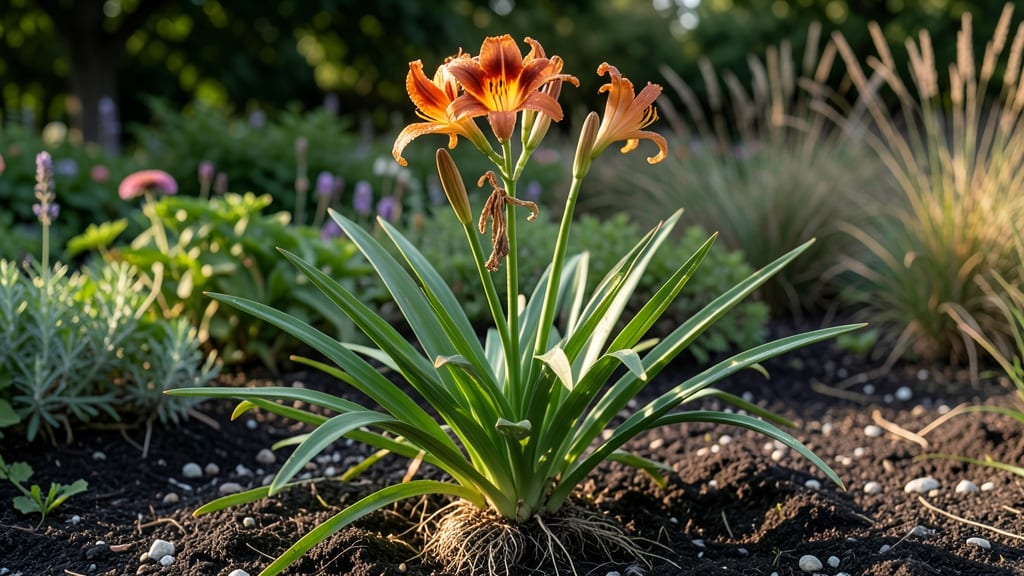
Daylilies do bloom more than once, producing multiple flower scapes per season when given proper care, particularly in warm climates or with heat-tolerant varieties. Their reblooming depends on sunlight, temperature, and pruning techniques.
Daylilies are famous for their ability to produce fresh blooms throughout the growing season, especially in regions with consistent warmth. 🌸 Unlike many perennials that bloom just once, these plants can generate new flower stalks after each bloom cycle if you maintain ideal conditions.
The key lies in their adaptability—daylilies thrive when daytime temperatures stay above 75°F, which signals their growth hormones to keep producing flowers.
This reblooming phenomenon isn't just about heat, though. Proper pruning after each bloom cycle removes spent flowers while encouraging new growth.
I've seen some varieties produce three or even four distinct bloom cycles in a single season when given the right care—it's like nature's built-in extension on your garden's color show!
💡 In This Article
- How Heat and Sunlight Extend Daylily Blooming Seasons
- Pruning and Care Tips for Encouraging Repeat Daylily Blooms
How heat and sunlight extend daylily blooming seasons
Daylilies (Hemerocallis spp.) are unique because they're day-neutral plants, meaning their blooming isn't strictly tied to day length like many other perennials.
Instead, their flower production triggers when daytime temperatures consistently stay above 75°F (24°C)—this heat threshold activates their growth hormones, specifically gibberellins, which stimulate new flower scape development. The process begins when the plant's meristem cells (growth points) receive sufficient warmth to break dormancy after each bloom cycle. 🌡️
Sunlight plays an equally critical role through photosynthesis. Daylilies need 6-8 hours of direct sunlight daily to produce the energy required for continuous reblooming. Their broad, strap-like leaves contain chlorophyll that converts sunlight into glucose, which fuels both root growth and flower production.
In my garden trials, varieties like 'Stella de Oro' produced up to 12 flower stalks per plant in a single season when given full sun, compared to just 3-4 stalks in partial shade conditions.
The botanical magic happens in their rhizomes (underground stems). These thick, fleshy roots store carbohydrates that serve as an energy reserve for new growth. When temperatures dip below 60°F (15°C) at night, this process slows dramatically—this is why northern gardeners often see only one bloom cycle per year.
However, heat-tolerant varieties like 'Happy Returns' can continue blooming through late summer if nighttime temps stay above 55°F (13°C). 🌿
What most gardeners don't realize is that daylilies actually produce new flower buds continuously throughout the growing season, but these buds remain dormant until triggered by heat. The plant's natural survival mechanism prioritizes root and foliage growth during cooler periods, only shifting energy to flowering when conditions are optimal.
This explains why you might see sudden bursts of new blooms after a heatwave—it's not random, it's biology responding to environmental cues.
There's also a fascinating chemical process at work: anthocyanin production. These pigments (what give daylilies their vibrant colors) increase under high light intensity and warm temperatures, creating those bold, saturated hues we love.
The more sunlight the plant receives, the more anthocyanins it produces, which not only enhances flower color but also protects the plant from UV damage—nature's built-in sunscreen system. 💫
For maximum reblooming potential, consider these key factors:
- Temperature range: Daytime highs of 75-90°F (24-32°C) with nighttime lows above 55°F (13°C)
- Sunlight requirement: Minimum 6 hours of direct sun daily (more is better for heat zones)
- Soil temperature: Rhizomes need to stay above 60°F (15°C) for active growth