
Blooming
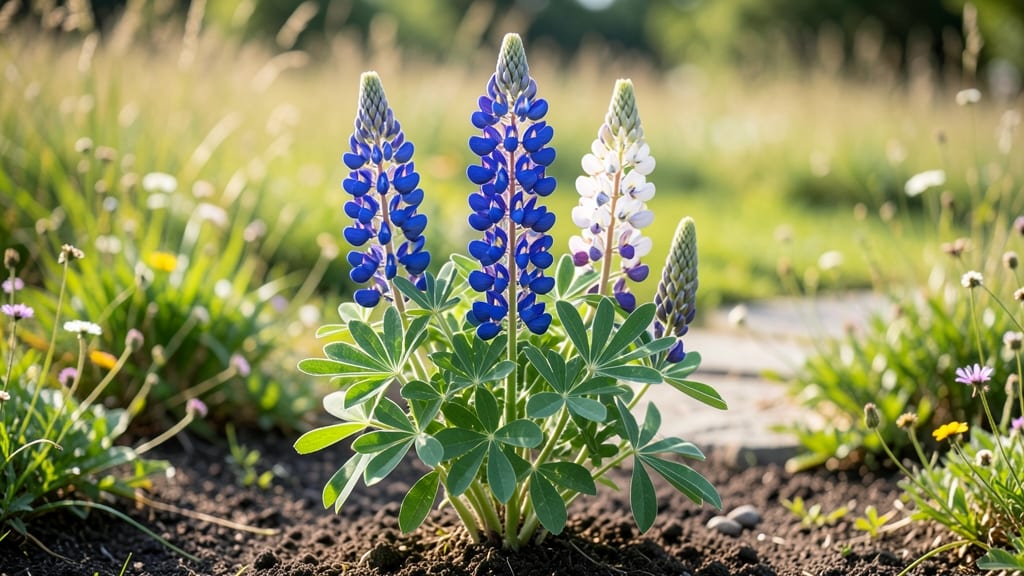
Lupines don't bloom all summer—most varieties produce vibrant flowers for just 4-6 weeks in spring, with some late-season types lasting into early summer. While deadheading can coax occasional reblooms, these perennials typically perform best as one-time summer stars unless grown with precise care.
Lupines are famous for their striking spikes of color, but their blooming windows are surprisingly short. 🌸 The spring-flowering varieties (like Lupinus polyphyllus) peak in late spring and taper off by early summer, while late-season types (such as Lupinus arboreus) may linger into June.
The key to extending their display lies in understanding their natural growth cycles—most lupines focus their energy on one spectacular bloom cycle before shifting to seed production.
That said, with the right conditions (well-draining soil, consistent moisture, and proper deadheading), you might catch a few sporadic second blooms later in the season.
What many gardeners overlook is how climate and variety affect timing. Cool-season lupines thrive in regions with mild summers, while heat-tolerant varieties (like Lupinus texensis) may bloom later but still won't sustain continuous flowers. The trade-off?
Lupines reward patience with long-lived foliage—their attractive seed pods and evergreen leaves often outshine their fleeting blooms. For a longer display, consider planting a mix of early, mid, and late-season varieties to create a staggered bloom sequence.
💡 In This Article
- Lupine Flowering Seasons by Variety
- Tips to Prolong Lupine Blooms and Encourage Reblooming
Lupine flowering seasons by variety
Lupines follow a predictable bloom cycle tied to their species and growing conditions. The Russian Blue Lupine (Lupinus polyphyllus), a popular garden variety, typically bursts into color from late April to June in cooler climates, with peak blooming lasting just 3-4 weeks.
In warmer regions, this timeline shifts slightly later—sometimes extending into early July—but the overall duration rarely exceeds 6 weeks. The flowers' vibrant hues (blues, purples, whites) fade as the plant redirects energy toward seed production, a natural survival strategy that limits continuous blooming.
Contrast this with Texas Bluebonnet (Lupinus texensis), which thrives in hotter climates and blooms from February to April in its native Texas, but in cooler northern gardens, it may flower as late as May to June.
These late-season varieties often produce smaller, shorter bloom spikes compared to their spring counterparts but can extend their display by 2-3 weeks longer.
The key difference lies in their genetic adaptation: Texas Bluebonnets evolved to bloom early in the season to avoid summer heat stress, while northern varieties prioritize cooler temperatures for optimal flowering.
For gardeners seeking prolonged color, tree lupines (Lupinus arboreus) offer a middle-ground solution. These shrubby perennials bloom from late spring to early summer (June in cooler zones, May in warmer ones) and can produce secondary blooms later in the season if given proper care.
Their larger, more abundant flowers (often in yellow or orange) make them standout performers, though they still don't match the 8+ weeks of continuous blooming seen in repeat-flowering perennials like coneflowers or black-eyed Susans.
Climate plays a surprisingly large role in bloom duration. Lupines grown in USDA Zones 3-5 (cool summers) often enjoy longer bloom periods because their growth isn't stressed by heat.
In contrast, those in Zones 7-9 may see blooms cut short by summer temperatures exceeding 85°F, which causes flower buds to abort. This is why lupines in Southern California or Florida rarely bloom for more than 3 weeks—their natural cycle is disrupted by the intense heat.
What's fascinating is how lupines prioritize reproduction over extended display. Once the main bloom cycle ends, the plant shifts resources to developing pods containing 2-12 seeds. These pods remain attractive (and sometimes edible for wildlife) long after the flowers fade, serving as a secondary garden asset.
This biological trade-off explains why lupines are rarely classified as "long-blooming" perennials—their energy investment is in seed production, not prolonged floral shows.