
Blooming
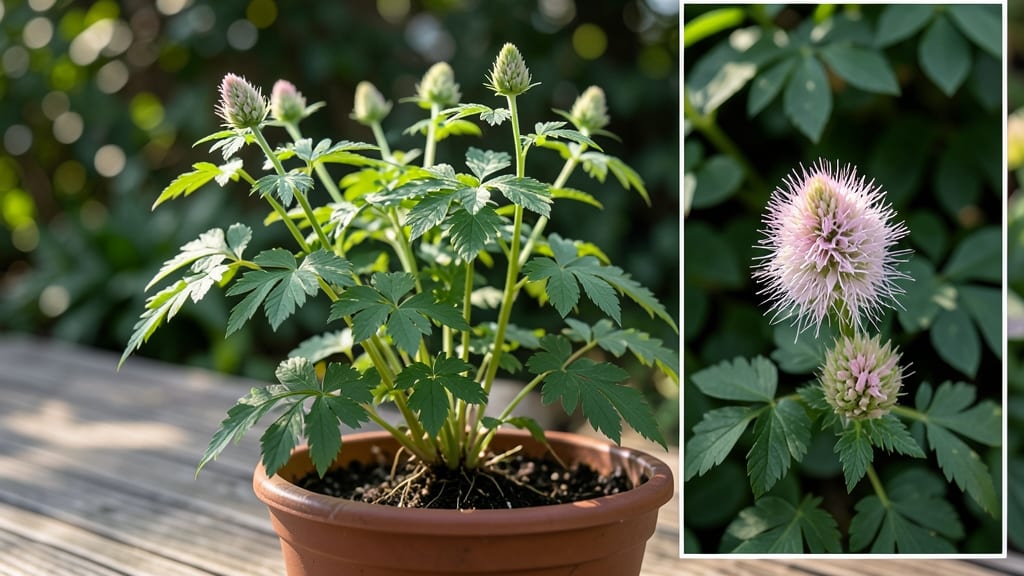
Astilbe seedlings will not bloom in their first year, instead focusing on developing a strong root network and healthy foliage before producing flowers in their second or third year with proper growing conditions.
This isn't a failure—it's astilbe's natural growth strategy. 🌱 Perennial plants like astilbe prioritize building energy reserves in their first year, storing nutrients in their roots for future blooms.
Think of it like a plant saving up for college: all that lush foliage you see is essentially tuition for next year's flower show. The key is giving them the right conditions now—moist, well-draining soil and partial shade—to set them up for spectacular blooms later.
What's interesting is how this varies by climate. In cooler regions, astilbe might wait until year three, while in milder zones, you could see tentative blooms as early as the second year.
The difference comes down to how quickly they can establish those root systems—something you can actually help along with regular watering and gentle fertilization.
💡 In This Article
- Why Astilbe Plants Delay Blooming in Early Years
- Maximizing First-Year Astilbe Growth for Future Blooms
Why astilbe plants delay blooming in early years
Astilbe follows a classic perennial growth pattern where the first year is all about building infrastructure. 🌱 The plant allocates nearly 70% of its energy to developing fibrous root systems that can reach 6-12 inches deep by fall.
These roots store carbohydrates (like starch) that will fuel next year's blooms. It's like how humans prioritize bone growth in childhood before focusing on muscle development—both require long-term investment.
The delay is also tied to astilbe's natural habitat in moist, shaded woodlands where resources are limited. In these conditions, plants evolved to conserve energy for survival rather than reproduction until they're established.
You'll notice the foliage grows vigorously in the first year—those feathery plumes are actually modified leaves called bracts that help the plant photosynthesize efficiently while building reserves. The flowers themselves require significant energy, often 30-50% more than foliage production.
Light conditions play a crucial role in this timing. Astilbe thrives in partial shade (3-6 hours of morning sun), which slows growth slightly compared to full sun. This moderation prevents the plant from over-extending itself in its first year.
In contrast, plants grown in full sun may attempt earlier blooming (sometimes as early as year two) but often produce weaker stems that flop under the weight of flowers. The ideal light balance ensures the plant can focus on root development without stress.
Soil nutrition acts as another timing mechanism. Astilbe prefers rich, organic soil with a pH of 5.5-6.5. In nutrient-poor soils, plants delay blooming even longer to build up reserves. The key nutrients are phosphorus (for root growth) and potassium (for stress resistance).
When you fertilize in early spring with a balanced 10-10-10 formula, you're essentially giving the plant a head start on its "college fund" for future blooms.
What's fascinating is how this growth strategy varies by cultivar. Dwarf varieties like 'Fanal' may bloom in their second year, while larger types like 'Deutschland' often wait until year three. The difference comes down to genetic programming—some astilbe types are "fast trackers" while others play it safe.
This variability means gardeners in warmer climates (USDA zones 5-8) often see earlier blooming than those in colder regions where the growing season is shorter.
The botanical term for this growth pattern is "monocarpic" behavior, though astilbe isn't truly monocarpic—it's more about energy allocation. What most gardeners don't realize is that the first-year foliage is actually more valuable than the eventual flowers.
Those lush plumes indicate the plant is storing 2-3 times more carbohydrates in its roots than a non-blooming perennial would. It's nature's way of ensuring the plant has a safety net before investing in reproduction.