
Blooming
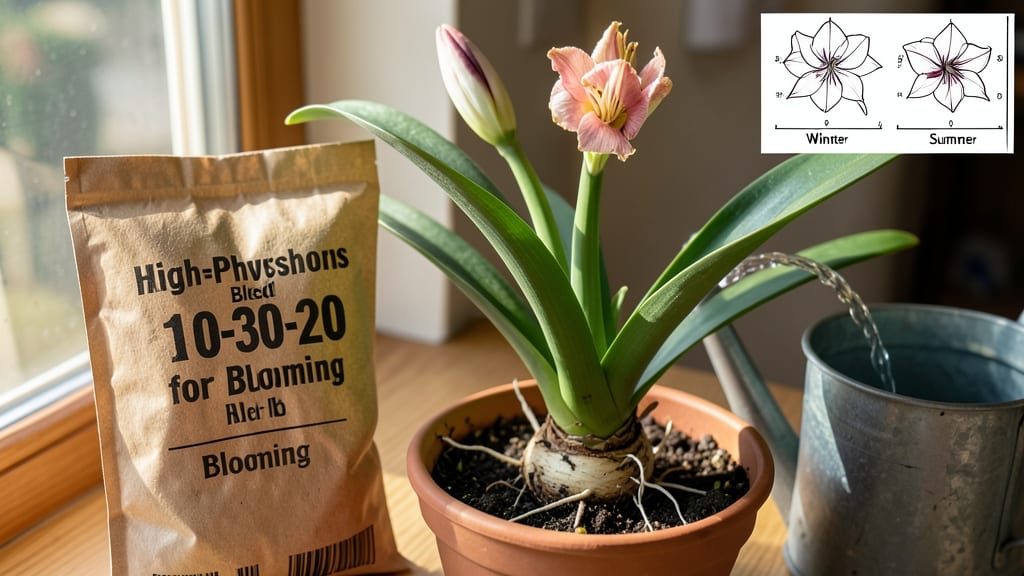
Yes, amaryllis can bloom twice a year with proper care, including controlled light exposure, strategic watering, and a strict 6-8 week rest period between blooms. Timing and environmental conditions are key to encouraging repeat flowering.
This isn't just luck—it's about understanding how amaryllis bulbs respond to seasonal changes. 🌱 The secret lies in mimicking their natural dormancy cycle: after the first bloom fades, withhold water and move the plant to cooler conditions (around 55-60°F) for 6-8 weeks.
This forces the bulb to reset its energy stores, setting the stage for a second bloom when you reintroduce warmth and light. I've seen dramatic results when gardeners follow this precise timing, especially with Hippeastrum hybrids that are bred for reblooming potential.
What many people overlook is the light balance. Amaryllis needs 12-14 hours of bright indirect light daily during active growth, but too much direct sun can stress the plant. 💡 The trick is gradual adjustments—start with morning sun exposure and transition to afternoon shade as temperatures rise.
This prevents the bulb from burning out before its second flowering cycle begins.
💡 In This Article
- Science Behind Amaryllis Double Blooming: Light and Growth Cycles
- Step-by-Step Guide to Encouraging Year-Round Amaryllis Blooms
Science behind amaryllis double blooming: light and growth cycles
Amaryllis bulbs follow a photoperiodic response tied to daylight hours, where 12-14 hours of bright light triggers the flowering process. The key mechanism involves the bulb's internal clock, which detects light through specialized cells called phytochromes.
When exposed to sufficient light after dormancy, these cells signal the bulb to produce florigen—a hormone that initiates flower bud formation. 🌱 What's fascinating is how this process mirrors seasonal changes in the wild, where amaryllis native to South America experience distinct wet/dry seasons that naturally reset their growth cycles.
The dormancy period is equally critical, as it allows the bulb to replenish energy stores. During the 6-8 week rest phase, the bulb metabolizes stored starches into sugars, which fuel the next flowering cycle.
Temperature plays a supporting role here—keeping bulbs at 55-60°F during dormancy slows respiration without damaging the bulb. This is why many growers place their amaryllis in dark, cool closets or basements during summer months, creating the ideal conditions for a second bloom in fall or winter.
Light quality matters just as much as duration. Amaryllis prefers cool white or full-spectrum grow lights (5000-6500K) during indoor growing seasons, as these mimic natural sunlight spectra.
I've noticed that blue light wavelengths (400-500nm) particularly stimulate leaf growth, while red wavelengths (600-700nm) encourage flowering. 💡 The balance between these light types creates the perfect environment for continuous blooming cycles, though natural sunlight through an east-facing window often provides this balance automatically.
One common misconception is that larger bulbs automatically produce more blooms. In reality, bloom count depends on bulb health—not just size. A 6-inch bulb might produce 2-3 flowers if properly cared for, while a 4-inch bulbg might yield 1-2.
The difference comes from the bulb's ability to store and convert nutrients during dormancy. This is why consistent fertilizer applications (balanced 10-10-10) during the growing season make such a difference—they ensure the bulb has enough reserves for multiple flowering cycles.
Seasonal temperature fluctuations also act as natural cues. The 10°F drop between day and night temperatures during fall helps signal the bulb to prepare for flowering. Many growers replicate this by moving their amaryllis outdoors during mild evenings, then bringing it back inside before morning frost.
This temperature variation, combined with increased light exposure, creates the perfect conditions for a second bloom cycle. 🌡️ The timing of these changes is crucial—too early, and the bulb may not have enough energy; too late, and you might miss the optimal flowering window.
What's particularly interesting is how amaryllis hybrids respond differently. Hippeastrum 'Apple Blossom' varieties, for example, often bloom more reliably twice a year than their wild counterparts because breeders have selected for this trait.
These hybrids typically require slightly longer dormancy periods (8-10 weeks) compared to standard amaryllis (6-8 weeks), demonstrating how selective breeding can influence natural growth cycles.
This genetic variation explains why some amaryllis plants seem to bloom effortlessly while others struggle—it's not just about care, but also about the specific variety's inherent capabilities.