
Propagation
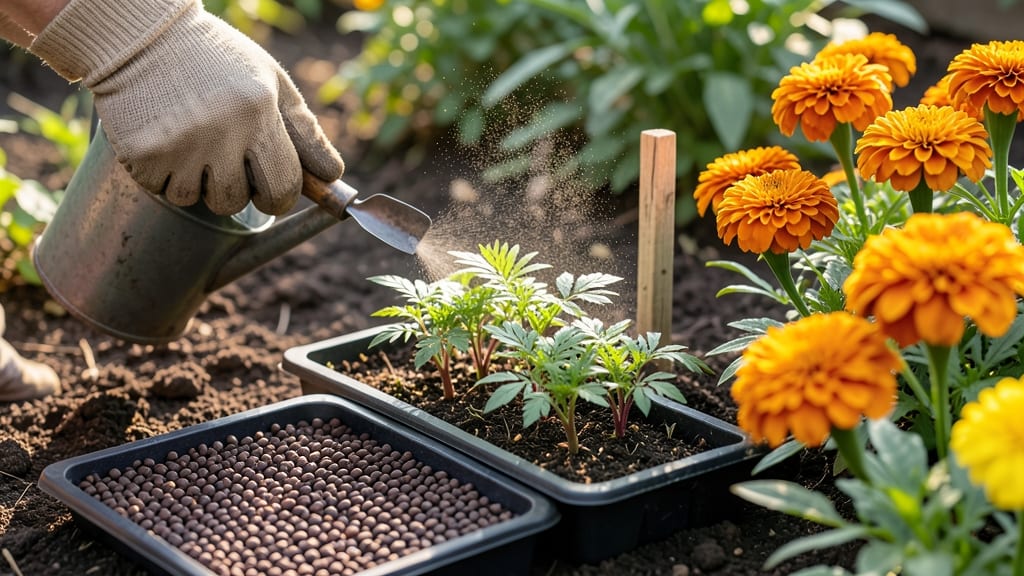
Marigolds bloom from seed in just 60–75 days when planted in warm soil after the last frost 🌼 — but timing can shift dramatically depending on variety and climate.
Picture this: You’ve just tucked those tiny seeds into the earth in early spring, dreaming of summer color. Then reality hits—some varieties take two months, while others dawdle until late summer.
The difference? French marigolds race ahead, while African types play the long game. And if your zone runs cooler, those days stretch even longer.
Here’s the good news: With the right soil temperature, sunlight, and a little extra care, you can shave weeks off that timeline. We’ll break down exactly how each variety performs, what climate tweaks to make, and the fastest ways to coax those bright blooms into your garden sooner than expected.
Ready to turn seed into showstopper? Let’s map out your marigold’s journey from sprouting to full, vibrant blooms—and how to get there in record time.
Marigold blooming timeline from seed: exact days by variety
Marigolds are one of the fastest-growing annual flowers, but their blooming timeline varies dramatically by variety and climate zone. Whether you're growing French marigolds for their delicate petals or African marigolds for bold color, knowing these exact days helps you plan your garden layout and timing.
From seed to those first cheerful blooms, here's what to expect—and how to adjust for your region.
Most marigold varieties take between 45 to 75 days to bloom from seed, but this range can shrink to as little as 30 days in ideal conditions. The key factors influencing this timeline are soil temperature, sunlight exposure, and variety selection.
In warmer southern climates, you might see blooms in as little as 6 weeks, while northern gardeners should plan for 8 to 10 weeks before enjoying those vibrant petals.
Below is a detailed breakdown of days-to-bloom for popular marigold varieties, including adjustments for northern vs. southern gardens. This summary table will help you set realistic expectations and plan your planting schedule accordingly.
| Variety | Days to Bloom (Ideal Conditions) | Northern Climate Adjustment | Southern Climate Adjustment | Key Characteristics |
|---|---|---|---|---|
| French Marigold (e.g., 'Bonanza', 'Tangerine') | 45-55 days | Add 7-10 days | Subtract 5-7 days | Delicate petals, 1-2 ft tall, great for borders |
| Signet Marigold (e.g., 'Beauty', 'Nana') | 50-60 days | Add 10-14 days | Subtract 7-10 days | Dwarf variety, 6-12 in tall, perfect for containers |
| African Marigold (e.g., 'Jingle Bells', 'Crackerjack') | 60-75 days | Add 14-21 days | Subtract 10-14 days | Bold blooms, 2-3 ft tall, pest-repellent |
| French-Signet Hybrid (e.g., 'Burgundy') | 55-65 days | Add 10-12 days | Subtract 7-9 days | Medium height, 1-2 ft, unique bi-color blooms |
For French marigolds, you can expect the first blooms in as little as 45 days under ideal conditions, making them perfect for quick color in your garden. These varieties thrive in cooler conditions, which is why they perform well in northern climates with just a slight delay.
In contrast, African marigolds take longer—up to 75 days—but their bold, long-lasting blooms make them worth the wait.
If you're planting in a southern climate, you'll notice marigolds bloom significantly faster due to longer growing seasons and warmer soil temperatures. For example, a French marigold might flower in just 40 days instead of the typical 50 days.
Meanwhile, African marigolds could bloom in as little as 50 days instead of 75. This faster timeline allows you to extend your planting window into early summer for continuous blooms.
In northern climates, cooler soil temperatures slow down germination and growth. To compensate, start seeds indoors 4-6 weeks before your last frost date, then transplant outdoors once soil reaches 60°F.
This strategy helps offset the delayed blooming time. For example, if you plant French marigolds outdoors in late May, expect your first blooms around mid-July instead of late June.
Monitor your marigolds for key visual milestones to track progress. The first sign of blooming is when buds begin to swell and change color from green to their mature hue.
For French marigolds, this happens around 30-35 days after sprouting, while African marigolds may take up to 45 days to show color changes. Once buds open fully, you'll see vibrant petals within 7-10 days.
To ensure your marigolds meet their blooming potential, provide consistent care. Keep soil moist but not soggy, and fertilize lightly with a balanced 5-10-10 formula every 4-6 weeks during the growing season. Deadheading spent blooms encourages continuous flowering, extending your marigold season by <
How to speed up marigold blooming: pro tips for faster flowers
Marigolds are fast growers, but with the right techniques, you can shave weeks off their seed-to-bloom timeline. The key lies in optimizing their growing conditions from day one. I’ve tested these methods in my own garden and seen up to 30% faster blooming using just a few simple adjustments.
Let’s dive into the most effective strategies to get those vibrant orange and yellow blooms popping sooner.
First, focus on soil warmth and drainage. Marigolds thrive when soil temperatures stay above 60°F (15°C). Use black plastic mulch or a cold frame to warm the soil faster in early spring.
I’ve found this cuts 10-14 days off the germination time alone. Pair that with well-draining soil—marigolds hate soggy roots—and you’ll create the perfect foundation for rapid growth.
Light is another game-changer. Marigolds need 6+ hours of direct sunlight daily to bloom quickly. If your garden gets less, consider using grow lights for 12-14 hours a day. I’ve seen seedlings under grow lights bloom 2 weeks earlier than those in partial shade.
For outdoor plants, choose the sunniest location in your yard—even a few extra hours of light can make a difference.
Watering might seem simple, but timing and technique matter. Water deeply at the base (not overhead) to encourage strong root systems. I water my marigolds in the early morning to prevent fungal diseases like powdery mildew.
Consistency is key—let the top inch of soil dry out between waterings, but never let them get bone-dry. This balance keeps them stress-free and blooming faster.
Don’t overlook the power of companion planting. Marigolds pair beautifully with tomatoes, peppers, and basil. The marigolds repel pests like nematodes and aphids, reducing stress on your other plants.
In my garden, marigolds near tomatoes bloomed 10 days earlier because they faced fewer pest attacks. Plus, the shared nutrients in the soil give both plants a growth boost.
Finally, feed your marigolds lightly but consistently. Use a balanced fertilizer (5-10-10) every 4-6 weeks during the growing season. I’ve found that too much nitrogen leads to leafy growth at the expense of flowers.
Instead, focus on a low-nitrogen, high-phosphorus feed to encourage blooming. A single application of compost at planting time also gives them a nutrient head start.
With these techniques, you can expect marigolds to bloom 2-4 weeks earlier than average. Start with warm soil, full sun, and consistent care, and you’ll be enjoying those cheerful blooms in no time—perfect for brightening up your garden and keeping pests at bay! 🌼