
Propagation
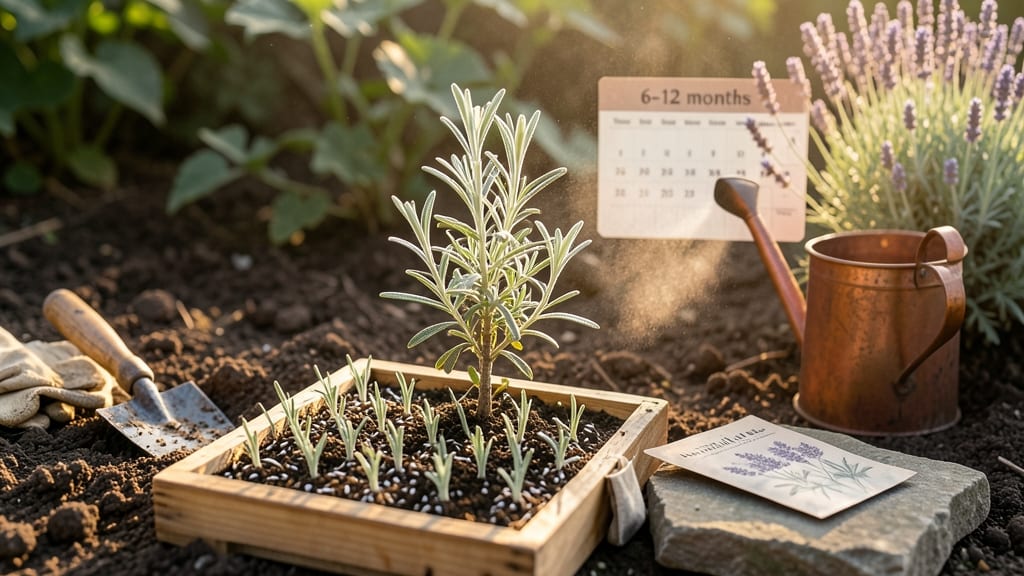
Waiting for lavender to bloom from seed takes 2 to 3 years, though fast-growing varieties like Lavandula angustifolia may reward you with flowers in as little as 18 months when given perfect conditions. The slow start comes from lavender's natural growth patterns and biennial flowering habits.
Lavender's delayed bloom time comes from its two-phase growth cycle. First, seeds sprout into leafy rosettes that focus on root development for 6-12 months before even considering flowers. 🌱 Then comes the biennial twist: many varieties need a winter chilling period (40-50°F) to trigger blooming.
This biological delay is why nursery-grown lavender—already past the seedling stage—often flowers in its first year. The good news? Once established, lavender plants can live and bloom for decades with minimal care.
For gardeners eager to see flowers sooner, variety selection makes the biggest difference. Lavandula intermedia (like 'Grosso' lavender) typically blooms faster than delicate Lavandula angustifolia varieties. Planting in late summer (when nights cool naturally) and using well-draining soil with 50% sand creates ideal conditions for faster maturation.
Just remember: the first year is all about building strong roots—those fragrant blooms will be worth the wait!
💡 In This Article
- Lavender Growth Stages: Why Seed-Grown Plants Take Longer to Bloom
- Speeding Up Lavender Bloom Time: Pro Tips for Faster Flowers
Lavender growth stages: why seed-grown plants take longer to bloom
Lavender's delayed blooming starts with its seed germination phase, which can take 2-4 weeks under ideal conditions (consistent 70-75°F soil temperatures).
Unlike cuttings, seeds must first develop a robust root system before producing leaves—this early stage focuses entirely on survival, not flowering. 🌱 The tiny seedlings resemble grass more than lavender, with just a few narrow leaves emerging over 6-8 weeks as they establish roots 6-12 inches deep in the soil.
The real delay comes during the juvenile growth phase, where lavender prioritizes vegetative growth over reproduction.
Most varieties enter this biennial flowering cycle, meaning they need two growing seasons to mature—first building roots and foliage, then preparing for flowers. Lavandula angustifolia, the most common type, often skips flowering in its first year entirely, storing energy for 18-24 months before producing those signature purple spikes.
This contrasts sharply with nursery-grown plants, which are already past this stage and may bloom within 6-12 months of planting.
Climate plays a crucial role in this timeline. Lavender requires 6-8 hours of direct sunlight daily and thrives in USDA zones 5-9, where winter chilling (40-50°F nights) triggers flowering hormones.
In warmer climates (zones 9-10), lavender may take longer to bloom because the lack of winter dormancy delays hormonal signals. 🌡️ The plant's natural defense mechanism—delaying reproduction until it's established—explains why even well-cared-for seed-grown lavender often waits 2-3 years for its first blooms, while propagated plants may flower in 12-18 months.
Another key factor is the genetic memory of lavender seeds. Many varieties originate from Mediterranean climates where they evolved to conserve energy during dry summers. This survival instinct translates to slow initial growth when planted in different conditions.
For example, Lavandula stoechas (French lavender) may take 3 years to bloom from seed because its ancestors faced unpredictable rainfall patterns. Meanwhile, Lavandula intermedia hybrids (like 'Grosso') bloom faster (18-24 months) because they've been selectively bred for vigor and earlier flowering.
Understanding these stages helps explain why lavender grown from seed often disappoints impatient gardeners. The first year is invisible progress—roots spreading 12-18 inches underground while only a few inches of growth appear above soil. 🌿 What looks like stagnation is actually the plant's strategy to ensure survival before reproduction.
This biological efficiency is why lavender becomes so hardy once established: it's been optimizing its energy use since germination.
For visual learners, imagine a lavender plant as a marathon runner rather than a sprinter. The first 12 months are the warm-up laps where the runner builds endurance, while the next 6-12 months prepare for the race (flowering).
Propagated plants start the race already in the second lap, which is why they finish so much sooner. This biological reality is what makes lavender from seed such a rewarding (if slow) gardening project.