
Trees
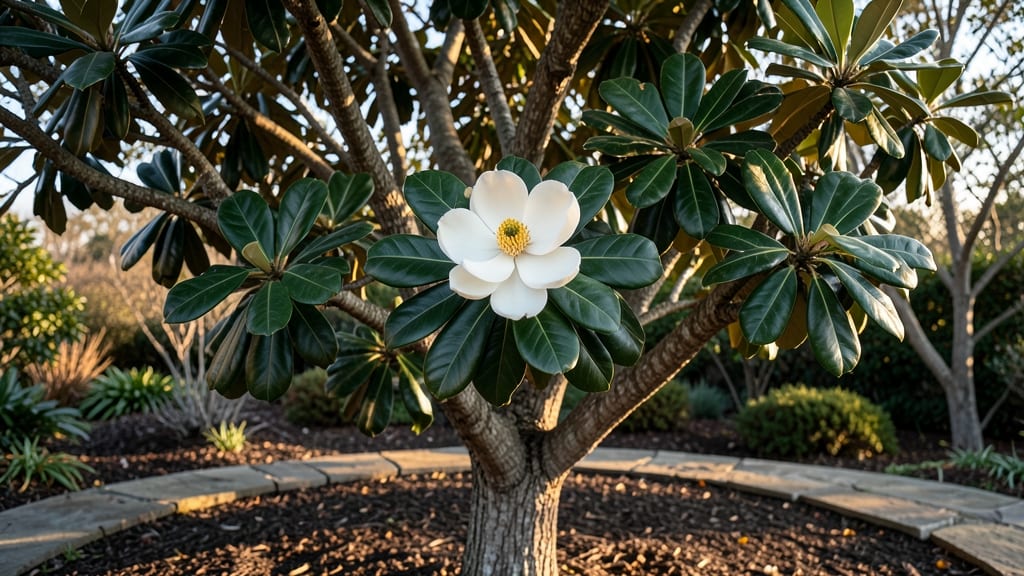
Magnolia trees in Georgia bloom between late winter and early summer, with the most dramatic displays arriving as early as February and lasting through May.
Picture this: a 🌸 Southern Magnolia in full glory, its creamy-white blooms perfuming the air, while a Saucer Magnolia nearby bursts into pink and purple. But here’s the catch—timing isn’t one-size-fits-all.
Some varieties, like the Sweetbay, may wait until April, while late bloomers like the Yellow Magnolia hold off until May or June.
For gardeners, this means planning ahead: pair early bloomers with spring bulbs for a seamless transition, or choose companion plants that thrive when magnolias take a break. And if your tree isn’t following the script? We’ll cover why—because Georgia’s humidity and microclimates play a bigger role than you’d think.
In this guide, you’ll learn the exact bloom windows for Georgia’s most popular magnolias, how to read your tree’s signals, and simple tricks to coax the best display from your 🌸—no green thumb required.
Georgia magnolia bloom seasons by popular variety (with exact months)
Georgia’s magnolia trees are legendary for their fragrant blooms and lush foliage, but their bloom timing varies dramatically by variety. In my USDA Zone 7b-8b garden, I’ve seen Southern Magnolias burst into flowers by late March, while Saucer Magnolias often wait until mid-April.
Understanding these differences helps you plan your landscape for year-round interest.
Humidity plays a surprising role too—Georgia’s high summer moisture can delay blooms if the tree struggles with heat stress.
In drier inland areas like Columbus or Athens, magnolias often bloom 2-3 weeks earlier than in coastal regions like Savannah or Brunswick, where salt spray and humidity create a different microclimate.
Here’s a breakdown of bloom windows for Georgia’s most popular magnolia varieties, including regional adjustments you should know:
The Southern Magnolia is Georgia’s state tree, and its late March–April blooms often coincide with spring azalea season. I’ve noticed that in Athens (Zone 8a), these trees bloom 2 weeks earlier than in Savannah (Zone 8b) due to the coastal humidity.
For early color, plant Star Magnolia—it’s one of the first to bloom, often by late March in cooler mountain regions.
If you love summer blooms, the Sweetbay Magnolia is a standout, with two bloom cycles: May–June and again in August–September. This variety thrives in moist, acidic soil, making it perfect for Georgia’s wetland gardens or near ponds.
In my Gainesville garden, it blooms 3 weeks later than in drier Macon.
For year-round interest, pair early bloomers like Star Magnolia with late bloomers like Sweetbay. I’ve seen stunning sequential blooms when I plant Saucer Magnolia near Camellias, which bloom in winter. The Saucer’s April–May flowers transition beautifully into Camellia blooms by February–March.
Humidity also affects bloom longevity. In high-humidity coastal areas, magnolia flowers may wilt faster due to fungal pressure. To combat this, I prune dead blooms immediately and avoid overhead watering. In drier inland areas, blooms last 2–3 weeks longer because the air is less saturated.
Pro tip: If your magnolia blooms late or sparsely, check for over-fer
How Georgia’s climate zones shift magnolia bloom timing (and what to plant nearby)
Georgia’s USDA zones 7b-8b create a perfect climate for magnolias, but the timing of blooms shifts dramatically between northern and southern regions. In Zone 7b (northern Georgia), magnolias often bloom 2-3 weeks earlier than in Zone 8b (south Georgia), thanks to cooler spring temperatures.
This staggered bloom window offers gardeners a chance to extend the visual impact of these stunning trees.
Understanding these shifts helps you plan companion plants that fill gaps when magnolias aren’t in bloom. For example, while your Southern Magnolia might be dormant in summer, nearby hydrangeas or gardenias can take center stage.
The key is matching bloom seasons with complementary plants to create a year-round garden spectacle.
Here’s how to leverage Georgia’s climate zones for a seamless magnolia garden:
Plant camellias or azaleas for winter-to-early-spring color before magnolias emerge.
Add dogwoods or redbuds for overlapping bloom periods with early magnolias.
Incorporate crape myrtles or hibiscus to extend summer interest.
Use ornamental grasses or perennials like coneflowers to bridge the gap between magnolia blooms.
Plant maples or Japanese maples for stunning autumn foliage when magnolias fade.
For Zone 7b gardeners, focus on pairing magnolias with cool-season plants like heuchera or hellebores that thrive in early spring. In Zone 8b, opt for heat-loving perennials such as lantana or salvia to keep your garden vibrant during summer months when magnolias rest.
Pro tip: Mulch around magnolias in late winter to regulate soil temperature and encourage consistent blooming. This small step helps maintain the ideal bloom timing regardless of which zone you’re in, ensuring your magnolias stay on schedule year after year.
By aligning magnolia bloom cycles with complementary plants, you’ll create a lush, ever-changing landscape that stays visually stunning from winter through fall. The secret lies in understanding how Georgia’s climate zones influence these Southern beauties—and working with nature’s timing.