
Trees
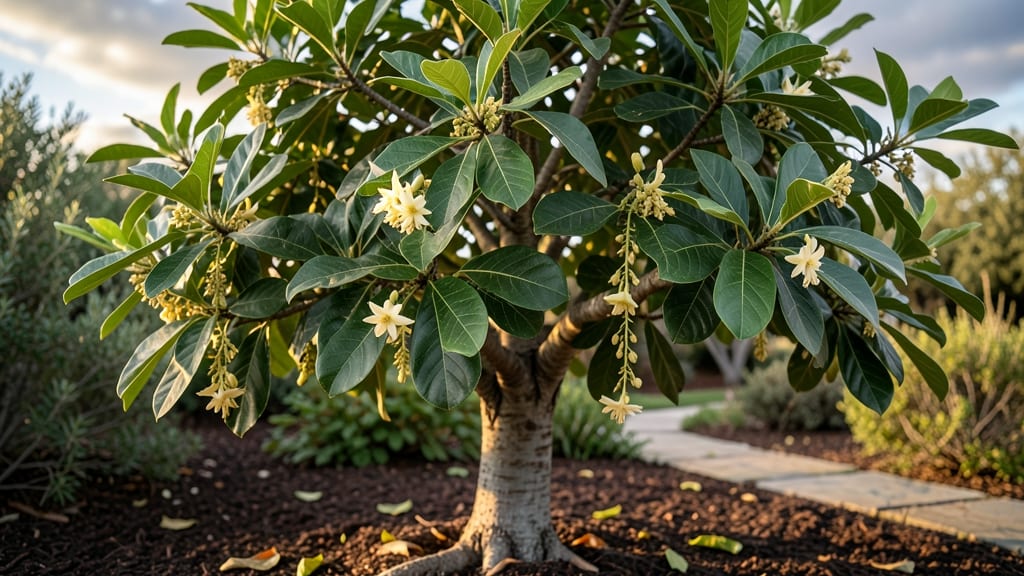
Avocado trees in Florida bloom when temperatures rise above 68°F and stay consistent—typically between January and May, with Hass varieties leading the charge in late winter and Fuerte types following a month later.
If you're growing avocados in Florida, timing their blooms correctly is the key to a bountiful harvest—but knowing exactly when to expect those delicate white flowers depends on your variety and local microclimate.
South Florida’s warmer winters can trigger blooms as early as December, while North Florida’s cooler stretches might delay them until March or April. Even a single cold snap can disrupt the process, turning potential fruit into lost opportunities.
Below, I break down the exact months for each variety, how microclimates shift bloom windows, and the 5 visual cues that tell you blooming is just weeks away—so you can protect those flowers and set the stage for a harvest.
Florida avocado bloom seasons by variety: exact months and temperature triggers
If you're growing avocados in Florida, timing their blooms correctly is the key to a bountiful harvest—but knowing exactly when to expect those delicate white flowers depends on your variety and local microclimate.
In South Florida, warmer temperatures can trigger blooms as early as December, while North Florida growers may see flowers appear in March or April. These differences matter because avocado trees need precise conditions to set fruit successfully.
Understanding these temperature triggers helps you prepare for blooming season. Most Florida-friendly varieties like Hass, Reed, and Choquette respond to cooler nights (between 60°F and 70°F) to initiate flowering.
However, if temperatures spike above 85°F during bloom, flowers can drop before pollination occurs, leading to poor fruit set.
Here’s a quick reference for bloom timing by variety, including how North vs. South Florida shifts these windows by 4-6 weeks. This table will help you align your care routine with your tree’s natural cycle.
| Variety | South Florida Bloom Window | North Florida Bloom Window | Temperature Trigger | Pre-Bloom Care Tip |
|---|---|---|---|---|
| Hass | December–February | March–May | 60°F–70°F nights | Apply balanced fertilizer in November. |
| Reed | January–March | April–June | 55°F–65°F nights | Prune lightly in October to reduce stress. |
| Choquette | January–February | March–April | 65°F–75°F nights | Water deeply in December to prep roots. |
| Fuerte | February–April | May–July | 70°F–75°F nights | Avoid heavy pruning before bloom. |
| Lamb Hass | November–January | February–April | 58°F–68°F nights | Apply potassium-rich fertilizer in September. |
The Hass variety, the most popular in Florida, blooms earliest in South Florida (starting in December) but waits until March in North Florida. This shift happens because cooler winter temperatures in the Panhandle delay flowering.
For example, a Hass tree in Miami might bloom in January, while one in Orlando waits until April.
To maximize fruit set, focus on pre-bloom care 2–3 months before flowers appear. For Hass and Reed varieties, apply a balanced fertilizer (like 6-6-6 NPK) in late fall to encourage strong root growth.
Avoid over-fertilizing with nitrogen, which can lead to excessive leafy growth at the expense of flowers. Instead, prioritize phosphorus and potassium to support blooming.
Another critical factor is watering consistency. Avocado trees need deep, infrequent watering—about 1–2 gallons per week—to avoid stress. In the 2 months before blooming, reduce watering slightly to encourage root development and prepare the tree for flowering.
Overwatering can lead to root rot, which weakens the tree and reduces its ability to set fruit.
If you notice buds forming but no flowers, check for temperature fluctuations. Avocado trees need stable nighttime temperatures between 60°F and 75°F to trigger blooming. In North Florida, where nights can drop below 50°F, consider using row covers or windbreaks to protect young trees.
In South Florida, where humidity is higher, ensure good air circulation to prevent fungal diseases like anthracnose, which can damage flowers.
Finally, pollination is key to fruit set. Avocado flowers are self-pollinating but benefit from cross-pollination. If you have multiple varieties, plant them near each other to improve pollination rates.
For single-tree gardens, gently shake the branches during bloom to encourage self-pollination. This simple step can double your fruit yield in a single season.
By aligning your care routine with your tree’s bloom window and local climate, you’ll set the stage for a successful harvest. Keep an eye on those white flower clusters—they’re your first sign that your avocado tree is ready to produce fruit! 🌱
How Florida’s microclimates delay or advance avocado blooming (and what to do)
Florida’s diverse microclimates can shift avocado blooming by 4-6 weeks, turning a predictable spring event into a regional puzzle. In Miami-Dade, trees often bloom as early as late January, while those in Orlando’s cooler zones may wait until March or April.
Coastal areas add another layer—high humidity can delay blooms, while urban heat islands might trigger earlier flowering. Understanding these patterns helps you time fertilization and pruning for maximum fruit set.
Coastal regions like Fort Lauderdale experience earlier blooms due to warmer winters, but higher humidity (70%+) can stress delicate flowers. Meanwhile, inland Orlando sees blooms 2-3 weeks later thanks to cooler nights (below 60°F).
Even within 10 miles, a tree’s blooming schedule can vary by 10 days—making local observations critical. For example, a Hass avocado in Tampa might bloom in February, while the same variety in Lakeland waits until late March.
| Microclimate | Avg. Bloom Window | Key Factors | Adjustment Tips |
|---|---|---|---|
| South Florida (Miami, Key West) | Late Jan–Early Feb | Warm winters, low frost risk, high humidity | Prune post-bloom (Feb–Mar) to avoid stressing early flowers |
| Coastal Central (Tampa, St. Petersburg) | Mid-Feb–Early Mar | Moderate humidity, occasional 30s°F dips | Apply low-nitrogen fertilizer in Jan to prep for blooms |
| Inland (Orlando, Lakeland) | Late Mar–Early Apr | Cooler nights (55–60°F), lower humidity | Delay heavy pruning until May to avoid winter stress |
| North Florida (Jacksonville, Gainesville) | Apr–May (delayed) | Higher frost risk, shorter growing season | Use row covers in Feb–Mar to protect buds from 28°F+ temps |
| Urban Heat Islands (Miami, Orlando) | Early Feb (1–2 weeks early) | 5–10°F warmer than rural areas | Increase watering in Dec–Jan to offset heat stress |
If you live in a cooler microclimate like Orlando or Gainesville, your avocado tree may need a winter boost to bloom on time. Start by monitoring nighttime temps—consistent readings below 60°F can stall blooms.
In these areas, apply a balanced fertilizer (e.g., 6-6-6 NPK) in December to encourage bud formation. For urban trees in heat islands, like those in Miami’s downtown, focus on deep watering to prevent heat stress, which can advance blooms prematurely.
Another critical factor is humidity. Coastal zones with 70%+ humidity often see delayed blooms because high moisture levels can stress flower buds. To counteract this, prune lightly in late winter to improve air circulation and reduce fungal risks.
In drier inland areas, like Lakeland, blooms may arrive earlier—so time your fertilization accordingly. A light application of phosphorus-rich fertilizer in January can signal trees to bloom sooner in these drier climates.
Finally, frost risk plays a role in North Florida, where unexpected cold snaps can destroy buds before they open. If you’re in Zone 8b or colder, protect young trees with frost cloth or row covers during February’s late-winter blooms.
For Miami gardeners, frost is rarely a concern—but hurricane winds can damage flowers. Stake trees in January to prevent storm-related breakage during the peak bloom window.
Adjusting your care schedule