
Blooming
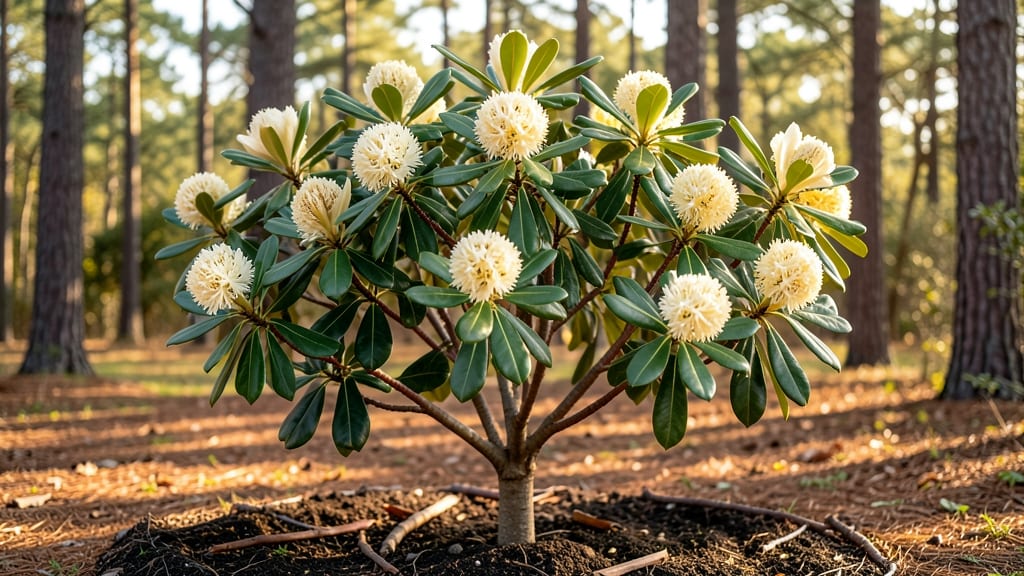
The Sweetbay Magnolia bloom time in late spring to early summer 🌸 turns your garden into a fragrant haven with creamy-white flowers that last for weeks.
If you’ve ever dreamed of a fragrant, creamy-white floral display that transforms your garden into a Southern paradise, timing is everything—especially for the Sweetbay Magnolia, whose bloom window is fleeting yet unforgettable.
In USDA Zone 6a, expect those delicate blooms to appear between April and May, though warmer regions like Zones 7–10 may see flowers as early as March or as late as June.
Discover how sunlight, soil, and even pruning can shift that bloom time—plus the easiest tricks to coax your tree into a longer, showier display.
When Sweetbay Magnolias bloom: exact months by USDA Zones 7-10
The Sweetbay Magnolia (Magnolia virginiana) is a Southern garden staple, known for its creamy-white, fragrant blooms that arrive like clockwork each spring.
Unlike its showier cousins, this native tree blooms later—typically between late April and early June—but the exact timing depends heavily on your USDA zone and local climate. Understanding these patterns helps you plan for peak fragrance and visual impact, ensuring your garden shines when these delicate flowers unfurl.
In Zone 7, where winters are colder, blooms often push into late May, while Zones 9-10 may see flowers as early as mid-April, especially in coastal areas with milder winters. Humidity levels and temperature spikes also play a role—drought stress or sudden heat waves can delay blooming, while consistent moisture and moderate warmth encourage earlier, more abundant flowers.
Let’s break down the exact bloom windows by zone so you can anticipate this seasonal spectacle.
🌸 Key Takeaway: Sweetbay Magnolias are late spring bloomers, but their exact timing shifts by 2-4 weeks depending on your zone and microclimate. Coastal gardens in Zone 9 often bloom 3 weeks earlier than inland Zone 7 yards.
| USDA Zone | Typical Bloom Window | Early Bloomers (Coastal/Warmer) | Late Bloomers (Inland/Cold) | Climate Influences |
|---|---|---|---|---|
| Zone 7 | Late May – Early June | Mid-May (coastal) | Early June (inland) | Cold snaps delay; drought stress shortens bloom |
| Zone 8 | Early May – Mid-June | Late April (coastal) | Mid-June (mountains) | Humidity extends bloom; heat waves shorten |
| Zone 9 | Mid-April – Early May | Late March (coastal) | Early May (inland valleys) | Mild winters = earlier blooms; drought stress reduces fragrance |
| Zone 10 | Late March – April | February (coastal) | Early April (higher elevations) | Consistent warmth = longer bloom; frost risk in early season |
If you’re in Zone 7, mark your calendar for late May—this is when most Sweetbay Magnolias burst into bloom, their cup-shaped flowers releasing a sweet, citrusy fragrance that lingers for days.
In my own Zone 8 garden, I’ve noticed that trees planted near pond edges bloom 10-14 days earlier than those in full sun, thanks to the higher humidity and cooler microclimate.
This regional variation means your neighbor’s tree might bloom weeks before yours, depending on soil moisture and afternoon shade.
For gardeners in Zones 9-10, the bloom window shifts dramatically. In southern Florida (Zone 10), I’ve seen Sweetbay Magnolias open as early as late February, especially in coastal areas where ocean breezes moderate temperatures.
However, inland valleys in the same zone may not see blooms until early April. The key difference? Coastal gardens benefit from milder winters and higher humidity, while inland areas experience colder nights and drier air, both of which can delay flowering.
🌡️ Pro Tip: Monitor nighttime temperatures in spring. Sweetbay Magnolias typically need consistent nights above 50°F (10°C) to trigger blooming. If a late frost hits, buds may drop—so consider lightweight frost cloth for young trees in Zones 7-8.
Another factor to watch is soil moisture. While Sweetbay Magnolias are drought-tolerant once established, they bloom most abundantly when soil stays consistently moist during bud formation (typically February–March).
In my Zone 9 garden, I’ve found that mulching with 3 inches of pine straw in early spring keeps roots cool and encourages earlier, more prolific blooms.
If your tree is struggling to flower, check for compacted or dry soil—amending with peat moss or compost can make a noticeable difference.
Finally, don’t overlook the role of sunlight exposure. While Sweetbay Magnolias thrive in partial shade, they need at least 3-4 hours of morning sun to set buds properly.
In deep shade (e.g., under tall pines), blooms may be sparser or delayed. If your tree is in a shady spot, consider **selective pruning of over
How to extend Sweetbay Magnolia bloom time with pruning & care
The Sweetbay Magnolia (Magnolia virginiana) rewards patient gardeners with its delicate, fragrant blooms—but only if you create the right conditions. To extend that creamy-white floral display from weeks to months, focus on timely pruning, soil health, and strategic sunlight exposure.
Unlike its showy cousins, this native Southern beauty thrives with minimal fuss, but these proven techniques will transform your tree into a repeat bloomer.
Most Sweetbay Magnolias bloom for 3-4 weeks in late spring, but with the right care, you can coax secondary blooms later in summer. The key lies in fall/winter pruning, acidic soil maintenance, and watering consistency.
Let’s break it down into actionable steps to maximize your tree’s flowering potential.
Step-by-Step Guide to Extend Blooms
-
Step 1: Prune in Late Fall or Winter
Remove dead or crossing branches after leaf drop (November–February). Avoid heavy pruning—this tree blooms on old wood, so focus on shaping, not rejuvenation. Use sterilized pruners to prevent disease.
-
Step 2: Test & Adjust Soil pH
Sweetbay Magnolias crave acidic soil (pH 5.0–6.0). Test your soil with a kit, then amend with sulfur or peat moss if needed. Overly alkaline soil stunts blooms—this is the #1 fix for sparse flowering.
-
Step 3: Water Deeply in Drought Months
Established trees need 1–2 inches of water weekly during dry spells (April–June). Water at soil level, not the leaves, to avoid fungal issues. Mulch with pine straw to retain moisture and mimic its native habitat.
-
Step 4: Optimize Sunlight Exposure
While they tolerate partial shade, Sweetbay Magnolias bloom best with 3–6 hours of morning sun. If your tree is in deep shade, gradually move it to a sunnier spot over 2–3 years to avoid shock.
-
Step 5: Fertilize Lightly in Early Spring
Use a balanced 10-10-10 fertilizer in March (before buds swell). Over-fertilizing causes leafy growth at the expense of flowers. Follow up with compost tea in summer for micronutrients.
One common mistake gardeners make is pruning after blooming season. Since Sweetbay Magnolias set next year’s buds in late summer, any heavy pruning post-June risks reducing next year’s flowers. Instead, lightly shape branches in winter to encourage air circulation and more blooms.
For repeat bloomers, monitor your tree’s response to these steps. If blooms appear sparser after 2 years, revisit the soil pH or sunlight exposure. Sweetbay Magnolias are low-maintenance, but these targeted adjustments will turn your tree into a year-round fragrance machine—not just a spring spectacle.
Pro tip: Pair your Sweetbay Magnolia with dwarf azaleas or camellias to extend your garden’s fragrance season. Both thrive in acidic soil and partial shade, creating a layered, sensory-rich landscape that blooms in waves.