
Blooming
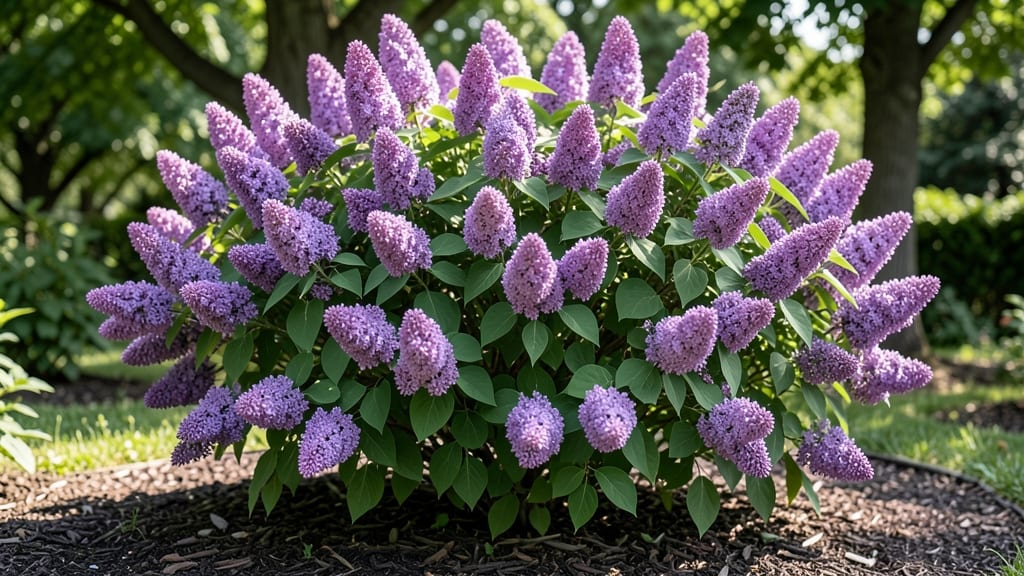
Lilacs in Indiana bloom between mid-April and early May, with timing varying by variety, weather patterns, and regional microclimates. Early varieties like 'Katherine Havemeyer' may start as early as late April, while later bloomers like 'Dwarf Korean' typically peak in late May.
Indiana's lilac bloom season is a beautiful dance between nature and location. 🌸 The state's diverse climate zones—from cooler northern areas to warmer southern regions—create a staggered display. For instance, lilacs in northern Indiana often bloom a week later than those in Indianapolis due to cooler spring temperatures.
What's fascinating is how last winter's chill hours can push blooms earlier or later, making every season slightly different. To maximize your lilac's performance, consider planting a mix of early, mid, and late varieties to enjoy continuous color from April through June.
💡 In This Article
- Factors Influencing Lilac Bloom Times in Indiana
- Best Indiana Lilac Varieties for Extended Bloom Seasons
Factors influencing lilac bloom times in Indiana
Indiana's lilac bloom timing hinges on a delicate balance of chilling hours and spring warmth. Lilacs require 800-1,200 hours below 45°F during winter dormancy to trigger bud formation.
In northern Indiana (like Gary or South Bend), where winters are colder, lilacs often accumulate these hours earlier, leading to blooms that start 7-10 days sooner than in southern Indiana (like Evansville).
The Hoosier state's diverse USDA hardiness zones—ranging from 5b in the north to 6a in the south—create this regional variation.
The critical factor is spring's last frost date, which varies dramatically across Indiana. Northern areas typically see their final frost around April 15-20, while southern regions may wait until April 25-May 1. Lilacs need 10-14 days of consistent temperatures above 50°F after bud swell to fully open.
A late frost can delay blooms by 1-2 weeks, while an unusually warm March might trigger early blooming—sometimes as early as mid-April in sheltered microclimates. 🌿
Microclimates play an equally important role. Urban areas like Indianapolis often experience 2-4°F warmer temperatures than rural zones due to the "urban heat island" effect, causing lilacs in city parks to bloom 3-5 days earlier.
South-facing slopes and well-drained soils can also advance bloom times by 5-7 days compared to shaded, moist locations. This is why you might see lilacs in bloom along a sunny highway median weeks before those in a shaded backyard garden.
Weather patterns create additional variability. A wet spring can delay blooming by 10-14 days as excess moisture stresses plants, while dry conditions might accelerate it by 3-5 days due to reduced fungal pressure.
The 2021 Indiana bloom season began 2 weeks early in many areas due to an exceptionally mild winter, while 2014's late frost pushed blooms back by 3 weeks in northern counties. These fluctuations make precise bloom prediction challenging—though the mid-April to early May window remains the norm.
For gardeners, understanding these factors means strategic planting. Early bloomers like 'Sybille' thrive in northern Indiana's cooler climate, while 'President Lincoln' performs better in southern regions where warmer springs extend the bloom season.
Planting lilacs near a south-facing wall can advance blooming by 7-10 days, while mulching with 3-4 inches of organic material helps regulate soil temperature for more consistent results. 🌸
The science behind this involves lilacs' photoperiodism—their response to daylight length. As days lengthen past 14 hours of sunlight (typically in late March), lilacs begin active growth. However, they won't bloom until they've satisfied their chilling requirements.
This dual dependency creates Indiana's signature staggered bloom pattern, where you might see 'Mme. Lemoine' in full bloom while 'Dwarf Korean' is still budding just 50 yards away.