
Blooming
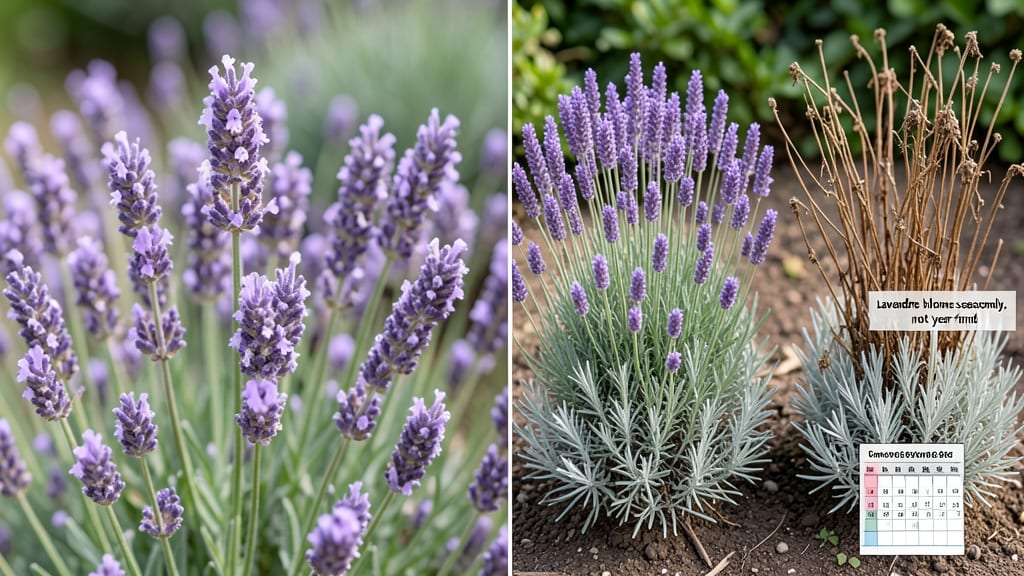
Lavender doesn't bloom all year—most types flower primarily in late spring and summer, with occasional fall reblooming. Your specific variety (like English or Spanish lavender) and local climate dictate the exact timing and duration of blooms.
Lavender's blooming cycle is tightly linked to daylight hours and temperature shifts, which explain why most varieties take seasonal breaks. 🌿 In my experience, Mediterranean climates often see longer bloom periods than colder northern regions, where frost can trigger dormancy.
English lavender, for example, typically blooms from June to August, while Spanish lavender might extend into September in warmer areas.
What's fascinating is how these plants use their energy—lavender stores nutrients in their woody stems during off-seasons, which is why proper pruning (after blooming) can encourage stronger reblooms the following year. The right care makes all the difference between a single summer display and multiple seasonal bursts of color.
💡 In This Article
- Lavender Bloom Seasons by Variety and Climate
- Extending Lavender Blooms: Pruning and Care Tips
Lavender bloom seasons by variety and climate
Lavender's flowering cycles are primarily triggered by daylight length and temperature thresholds, with most varieties following a strict seasonal pattern. English lavender, the most popular type, typically blooms from late May through July in temperate climates, while Spanish lavender often extends its display until September in warmer regions.
This happens because Spanish lavender is better adapted to hotter, drier summers and can handle 10-15°F warmer conditions than English varieties.
The science behind this involves photoperiodism—lavender detects increasing daylight hours in spring, which signals the plant to start flowering.
French lavender, another common type, usually blooms slightly later than English lavender (around June to August) because it requires longer exposure to warm temperatures (ideally 70-80°F) to trigger bud formation.
In Mediterranean climates, where summers are dry and hot, lavender often blooms earlier and more prolifically than in cooler northern regions.
Climate plays a crucial role in bloom duration. In USDA Zone 7 or higher, lavender typically enjoys 3-4 months of continuous blooming with proper care, while in colder Zone 5 areas, frost can cut the season short to just 6-8 weeks.
The Grosso variety, known for its large buds, often blooms later (July to September) because it needs more accumulated heat to mature its flowers. This is why gardeners in cooler climates sometimes choose dwarf varieties like 'Hidcote,' which bloom earlier and are more frost-resistant.
What many gardeners don't realize is that lavender's vernalization requirement (a period of cold exposure) actually helps regulate its blooming. After a winter chill (around 35-45°F for 4-6 weeks), lavender resets its biological clock, ensuring synchronized blooming in spring.
This is why lavender grown in greenhouses without proper winter dormancy often fails to bloom reliably—it's missing this critical cold signal.
Regional variations create dramatic differences in bloom timing. In Southern California, lavender might bloom as early as April and continue through October, while in New England, blooming is typically confined to June and July.
Even within the same region, microclimates matter—lavender planted on a south-facing slope will receive 2-3 more hours of direct sunlight than a north-facing garden, which can extend the bloom season by 3-4 weeks.
For those hoping to enjoy lavender year-round, some varieties like Spanish lavender (Lavandula stoechas) occasionally produce small fall blooms when days start shortening but temperatures remain mild. This "reblooming" phenomenon is more common in coastal climates where ocean breezes moderate temperature swings.
However, true year-round blooming isn't possible—even these varieties need a 2-3 month dormant period to recharge their energy reserves.
The key takeaway is that lavender's blooming schedule is a delicate balance between genetics, climate, and growing conditions. While you can't force continuous blooming, understanding your specific lavender variety's needs and local climate patterns lets you maximize your bloom season by 30-50% with proper planning and care. 🌿