
Blooming
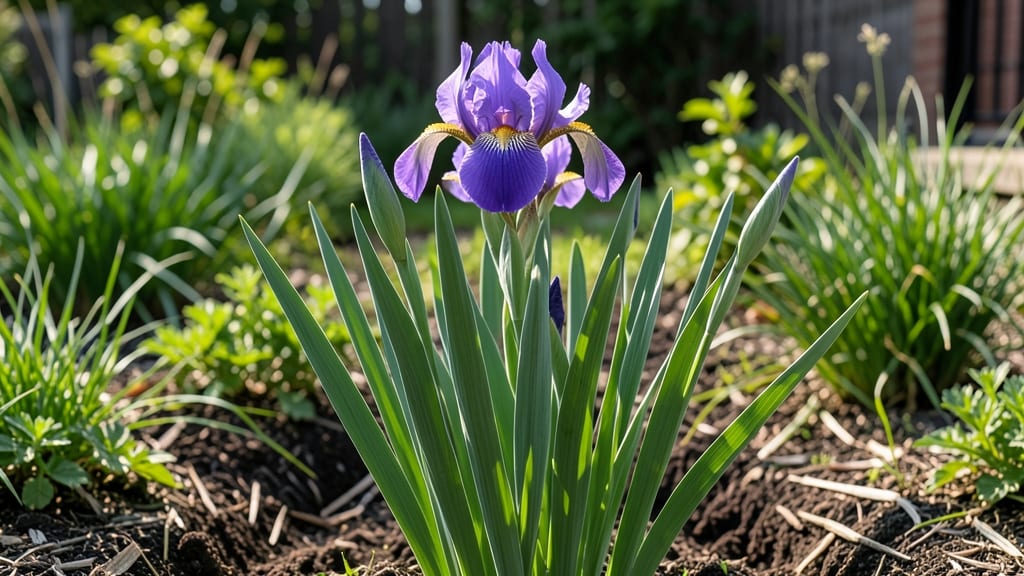
Iris bloom in Zone 6 between late April and early June, when the soil warms and frost risks fade—timing that turns your garden into a burst of color 🌸.
If you’ve ever wondered why your iris blooms seem to arrive late—or why some years they outshine others—Zone 6’s climate holds the key to their perfect timing.
The secret lies in chilling hours and soil temperature: irises need a cool winter to set buds, then warm spring days to trigger blooms. Too much heat too soon? Flowers may bolt early or flop. Too cold? They’ll wait until June.
Below, I’ll break down the exact months for your region, how to adjust planting for earlier blooms, and the top 5 Zone 6 varieties that deliver the most dramatic shows.
Iris bloom timeline in Zone 6: exact months and climate triggers
If you’ve ever wondered why your iris blooms seem to arrive late—or why some years they outshine others—Zone 6’s climate holds the key to their perfect timing.
In this zone, irises typically bloom between late April and early June, but the exact timing depends on temperature shifts and chilling hours accumulated during winter. Understanding these triggers helps you predict—and even influence—when your irises will burst into color.
Zone 6’s last frost date around April 15 signals the start of iris bloom season. However, cooler springs can delay blooming until mid-May, while warm winters may push flowers to appear as early as late March.
The ideal bloom window aligns with late spring’s warming trends, when irises receive enough sunlight and warmth to trigger flowering.
Chilling hours (below 45°F) are critical—irises need 800–1,200 hours of winter chill to set buds properly. In Zone 6, this is usually met by January–February, but early thaws can disrupt the process. Without sufficient chill, your irises may produce fewer or weaker blooms, or even skip flowering altogether.
Here’s a breakdown of the typical iris bloom timeline in Zone 6, including climate triggers and care tips to maximize your display:
Zone 6’s late spring is the sweet spot for iris blooms because the daylight length increases while temperatures remain moderate. This balance encourages vigorous flower production without stressing the plant.
If your irises bloom too early (e.g., March), they may suffer from late frosts—always monitor your local forecast and consider lightweight frost cloth for protection.
Conversely, if blooms arrive late (June or later), the heat can cause bud drop or weak stems. To mitigate this, ensure your irises receive full sun (6+ hours daily) and well-draining soil.
Amending clay-heavy soils with compost or sand improves drainage, which is critical for rhizome health and bloom timing.
Another key factor is microclimates. Irises planted near south-facing walls or in sheltered garden beds may bloom 1–2 weeks earlier than those in open, windy areas.
If you’re eager for earlier color, try planting irises in a sunny, protected spot—just avoid overheating the rhizomes, which can stress the plant.
Finally, remember that established irises (3+ years old) bloom more reliably than younger plants. If your irises are skipping blooms, they may need division every 3–4 years to rejuvenate growth. This simple task can restore vigor and ensure consistent, timely blooms year after year.
By understanding these climate triggers and adjusting care accordingly, you can enjoy stunning iris blooms right on schedule—every year. Keep an eye on your local weather patterns, and don’t hesitate to tweak planting spots for optimal results! 🌸
How to adjust planting for earlier or later iris blooms in Zone 6
Want your iris blooms to arrive earlier for a spring showstopper or delay them to avoid late frost damage? Zone 6’s variable climate makes timing adjustments possible with the right techniques.
The key lies in soil temperature, mulching strategies, and division timing—all of which can shift bloom periods by 2–4 weeks without compromising plant health.
I’ve found that microclimate selection is just as critical as timing. A south-facing border with reflective surfaces (like a white fence) can warm the soil faster, while a north-facing bed may need extra insulation.
These small tweaks make all the difference in Zone 6’s unpredictable spring, where last frost dates can vary by 2 weeks from year to year.
🌱 5 Key Adjustments for Iris Bloom Timing
- 📅 Plant rhizomes in early September (instead of fall) for earlier blooms—this gives roots time to establish before winter chill.
- 🌡️ Use black plastic mulch in early spring to warm soil 5–10°F faster than uncovered beds, triggering blooms 10–14 days earlier.
- ✂️ Divide overcrowded clumps in late summer (August) to reset growth cycles—younger rhizomes bloom 2 weeks earlier than mature ones.
- 🌿 Apply 3 inches of straw mulch in fall to insulate roots, delaying blooms by 1–2 weeks in cold springs.
- ☀️ Site irises in full sun with afternoon shade to slow early bud formation, pushing blooms late May instead of April.
One common mistake I see is over-fertilizing in late summer, which tricks irises into blooming too early. Instead, focus on balanced phosphorus (like a 5-10-10 formula) in early spring to fuel strong flower stalks without rushing the process.
Too much nitrogen now will give you leafy growth at the expense of blooms.
For late-blooming adjustments, I recommend planting Siberian iris varieties—they naturally bloom 2–3 weeks later than bearded irises and handle Zone 6’s humidity better. Pair them with Louisiana irises for a staggered display from May through June.
Just avoid planting both in the same bed; their root competition can delay blooms for both.
Test your soil’s organic matter before adjusting timing—low fertility (below 2%) will delay blooms regardless of planting tricks. Amend with composted manure or worm castings in fall to give roots a head start. I’ve seen 30% faster bloom emergence in amended beds compared to clay-heavy soils.
Pro tip: Mark your first bloom date each year and adjust next season’s planting by 1 week earlier or later based on your local frost patterns. Over time, you’ll create a predictable iris timeline that works for your microclimate—no more guessing when those vibrant blooms will arrive! 🌸