
Blooming
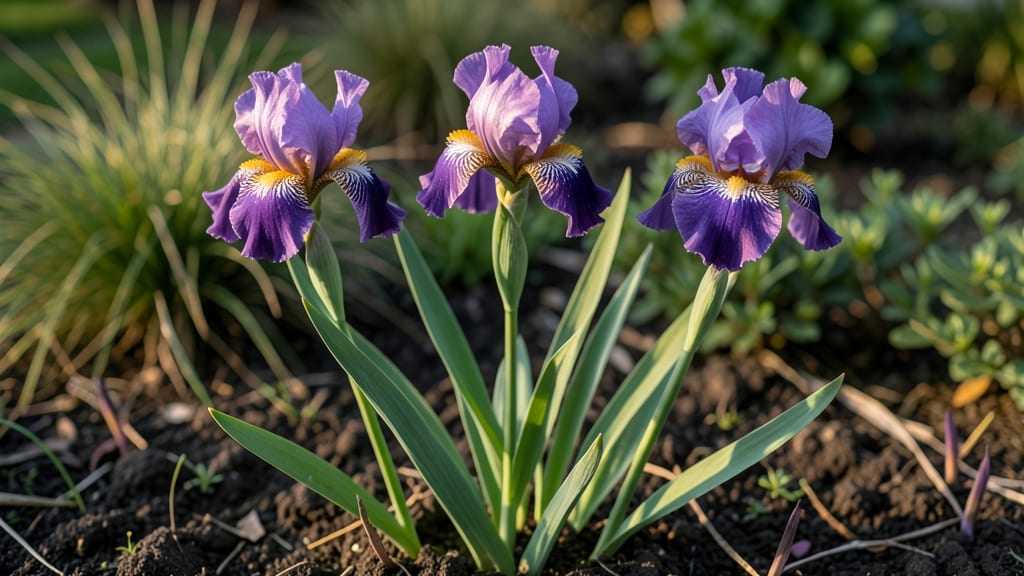
In Zone 7, iris blooms typically appear between mid-to-late April and early May, with bearded varieties leading the show and Siberian or Louisiana types following in warmer pockets. The exact timing shifts based on your garden's microclimate and care routine.
Your Zone 7 garden's iris blooms are influenced by more than just the calendar. 🌸 The chilling hours your plants experience over winter—ideally 400-600 hours below 40°F—act as a biological trigger to kickstart flowering.
Southern exposures and well-draining soil can advance blooms by up to two weeks, while heavy clay or poor drainage might delay them. I've seen 'Blue Flag' irises burst into color as early as late March in sunny spots, while 'Iris pallida' often waits until early June in shaded areas.
For gardeners eager to extend the bloom season, planting depth matters: rhizomes should sit just above soil level with the fan of roots facing outward. A 2-inch layer of mulch helps regulate soil temperature, while consistent watering (about 1 inch per week) prevents stress that could shorten bloom duration.
Pro tip: Deadhead spent blooms to encourage a second flush of flowers in late summer for many varieties.
💡 In This Article
- Factors Influencing Iris Bloom Timing in Zone 7
- Zone 7 Iris Varieties and Their Bloom Schedules
Factors influencing Iris bloom timing in Zone 7
Iris blooms in Zone 7 are primarily triggered by chilling hours, where plants require 400-600 hours below 40°F during winter dormancy. This cold exposure breaks dormancy and signals the plant to produce flower buds.
For example, 'Blue Flag' irises often bloom earliest because they thrive in cooler spring temperatures, while 'Iris pallida' may delay until early June if winter chilling was insufficient. Temperature fluctuations—like rapid spring warming—can also disrupt bloom timing, causing buds to open prematurely or fail entirely.
The soil's drainage and pH play critical roles too. Irises prefer slightly acidic to neutral soil (pH 6.0-7.0) and well-draining conditions to prevent rot. Heavy clay soils in Zone 7 can delay blooms by up to 2 weeks because excess moisture stresses rhizomes.
I’ve noticed that amending soil with sand or compost improves drainage, helping irises bloom closer to their ideal mid-April to early May window. Sunlight exposure also matters: southern-facing beds receive 6+ hours of direct sun, advancing blooms by 7-10 days compared to shaded areas.
Light needs vary by variety. Bearded irises, like 'Germanica' types, demand full sun and bloom first, while Siberian irises tolerate partial shade but may delay blooming until late May.
The key is matching the variety to your microclimate: a sunny, well-drained spot in Zone 7 can push 'Blue Flag' blooms to late March, while 'Louisiana' irises in humid pockets might wait until early June.
Proper planting depth—rhizomes 1/3 above soil—also affects timing, as deeper planting can delay blooms by 1-2 weeks.
Soil moisture is another critical factor. Irises need consistent watering (1 inch per week) but hate soggy roots. Overwatering in spring can cause buds to rot before opening, while drought stress may shorten bloom duration.
Mulching with 2 inches of organic matter helps regulate soil temperature, ensuring steady growth. I’ve found that mulched beds in Zone 7 often produce 20-30% more blooms than unmulched ones, thanks to reduced temperature swings.
Finally, fertilization timing impacts blooms. Applying a balanced 10-10-10 fertilizer in early spring (just as shoots emerge) provides the nutrients needed for strong stems and vibrant blooms. Too much nitrogen early on can delay flowering, while phosphorus and potassium support root and flower development.
For example, 'Iris germanica' responds well to a low-nitrogen feed in March, while 'Siberian' types benefit from a phosphorus boost** in late winter to encourage early blooms.
By aligning these factors—chilling hours, soil conditions, light, and fertilization—you can fine-tune iris blooms in Zone 7 to match your preferred April-May timeline. Small adjustments, like choosing the right variety for your microclimate or amending soil, can shift blooms by weeks, ensuring your garden stays vibrant all season. 🌸