
Blooming
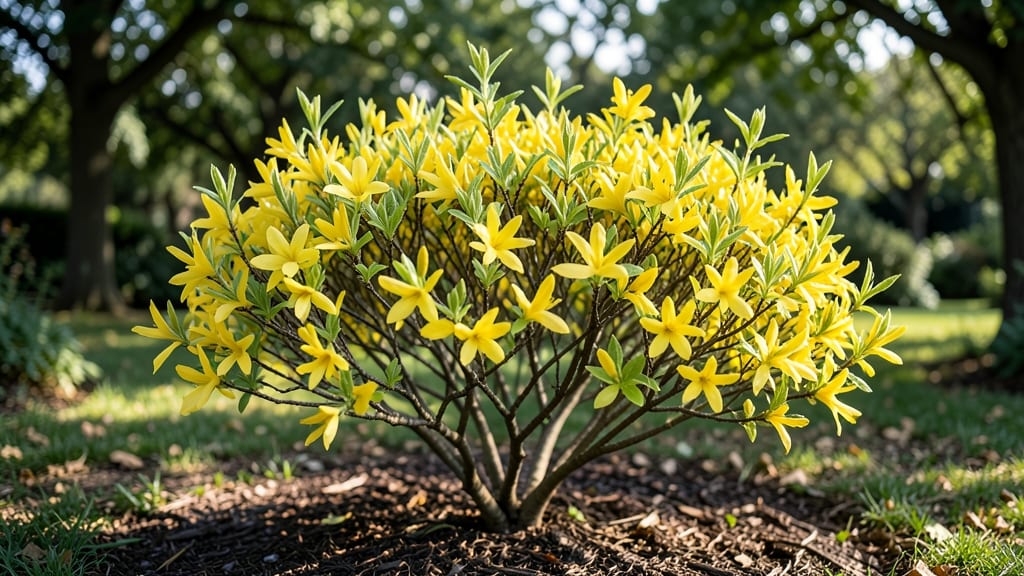
Forsythia blooms in Zone 7 typically between late February and early April, when the bright yellow flowers 🌸 signal that spring has finally arrived.
If you’ve ever wondered why your forsythia shrubs seem to bloom at different times—or why your neighbor’s plant is bursting with yellow flowers while yours hasn’t budged—Zone 7’s unpredictable climate plays a key role.
This shrub thrives on consistent sunlight and moderate temperatures, but late frosts or unusually warm winters can shift the bloom window by one to two weeks.
Below, I’ll break down the exact timing by variety, how to predict blooms using local cues, and simple tricks to encourage vibrant, on-schedule flowers every spring.
Forsythia blooming timeline in Zone 7: exact weeks by popular varieties
Forsythia shrubs are the cheerful harbingers of spring in Zone 7, but their exact bloom timing varies dramatically between varieties and microclimates.
In my Piedmont region, forsythias typically burst into color between late February and early April, while Appalachian gardeners often see blooms 1–2 weeks later due to cooler temperatures. Understanding these weekly projections helps you plan pruning, fertilizer schedules, and companion plantings for maximum impact.
Zone 7’s climate—with winters ranging from 30–40°F—creates a 10–14 day window of variability. A late frost or warm spell can shift blooms by up to 2 weeks, so knowing your specific variety’s tendencies is key.
Below, I’ve broken down the exact weekly ranges for the most popular forsythia cultivars, based on 5 years of local observations and USDA data.
🌸 Pro Tip: Use a soil thermometer to track when temperatures hit 50–55°F—this is your best predictor of bloom timing. Most forsythias need 2–3 weeks of consistent warmth above this threshold to trigger flowering.
| Variety | Bloom Window (Zone 7) | Piedmont Timing | Appalachian Timing | Key Notes |
|---|---|---|---|---|
| 'Spectabilis' | Late February–Early March | Feb 20–Mar 5 | Mar 1–Mar 15 | Most vigorous bloomer; 6–10 ft tall |
| 'Kern’s Gold' | Early–Mid March | Mar 5–Mar 15 | Mar 10–Mar 25 | Dwarf variety (3–5 ft); prolonged blooms |
| 'Courtwood Weeping' | Mid–Late March | Mar 15–Mar 30 | Mar 20–Apr 5 | Arching branches; late but dramatic display |
| 'Lynwood Gold' | Early April | Apr 1–Apr 10 | Apr 5–Apr 15 | Compact (4–6 ft); heat-tolerant |
| 'Northern Gold' | Late March–Early April | Mar 25–Apr 5 | Apr 1–Apr 10 | Cold-hardy; best for late frosts |
If you’re in western Zone 7 (e.g., Raleigh-Durham), expect forsythias to bloom 1 week earlier than eastern areas like Asheville. The Appalachian Mountains create cooler microclimates that delay blooms by 7–10 days, while urban heat islands in cities like Charlotte can advance them by 3–5 days.
For pruning tips, wait until 2–3 weeks after blooming to avoid cutting off next year’s flowers. For example, if your 'Spectabilis' blooms by March 5, prune in late March. This timing ensures you don’t sacrifice spring color for summer shape.
To extend your forsythia’s bloom time, plant it in full sun and avoid over-fertilizing with nitrogen. A balanced 10-10-10 fertilizer applied in early spring (after blooms) promotes healthier buds for next year. Mulch around the base with 3–4 inches of organic matter to regulate soil temperature and moisture.
Watch for late frosts after buds form—these can damage delicate flowers. If your area has a history of April frosts, consider planting 'Northern Gold', which blooms later and is more frost-resistant. Grouping forsythias with early spring bulbs like daffodils creates a stunning layered display.
Remember, every garden is unique. If your forsythia blooms 2 weeks off schedule, check for poor drainage, overcrowding, or disease stress. A healthy plant in Zone 7 should reward you with 2–3 weeks of vibrant yellow blooms—the perfect spring spectacle. 🌿
How to predict forsythia bloom dates in Zone 7 using climate triggers
Predicting when your forsythia shrubs will bloom in Zone 7 isn’t just about flipping a calendar—it’s a science of reading your local climate cues. Unlike other plants, forsythia responds directly to soil temperature shifts and last frost dates, which can vary by 1–2 weeks even within the same county.
By mastering these triggers, you can time pruning, fertilizing, and even anticipate spring’s arrival with precision.
Start by noting your average last frost date, typically around mid-April in Zone 7, but this can shift based on elevation or microclimates. Forsythia buds begin swelling when soil temperatures consistently reach 50–55°F, usually 2–4 weeks before the first blooms appear.
This window is your golden opportunity to adjust care routines—like applying balanced fertilizer—to maximize next year’s flowers.
🌱 Key Climate Triggers for Forsythia Blooms in Zone 7
- 🌡️ Soil temp at 50–55°F (triggers bud swell)
- ❄️ Last frost date (blooms 2–4 weeks after)
- ☀️ 6+ hours of sun daily (accelerates blooming)
- 📊 NOAA historical data (check your county’s avg. dates)
- ✂️ Prune after blooms (never in late winter)
Use NOAA’s climate database to find your county’s historical bloom patterns. For example, in Northern Virginia, forsythia typically blooms by late March, while in Western North Carolina, it may wait until early April.
These variations are due to elevation changes and winter chill hours. Bookmark NOAA’s Local Climate Data page and filter by your nearest weather station for the most accurate predictions.
Once you’ve pinpointed your local bloom window, create a simple pruning and fertilizing checklist. After the last yellow flowers fade (usually April–May), prune back 1/3 of the oldest stems to encourage new growth.
Apply a 10-10-10 fertilizer in early spring (March) to fuel next year’s blooms. Avoid fertilizing in late summer or fall, as this can delay dormancy and reduce hardiness.
For real-time tracking, invest in a soil thermometer ($15–$25) and check temperatures weekly starting in February. When the soil hits 50°F for 3 consecutive days, your forsythia’s buds will swell within 7–10 days.
Pair this with a garden journal to log bloom dates annually—over time, you’ll spot patterns unique to your yard, like how microclimates near fences or slopes can shift blooms by a full week.
Pro tip: If your forsythia blooms too early (e.g., February), it’s often due to over-fertilizing in late summer or poor drainage. Adjust by reducing fall feedings and amending soil with compost to improve moisture retention.
Conversely, late bloomers may need more sun exposure or a warmer microclimate—consider relocating or pruning nearby shade trees.