
Blooming
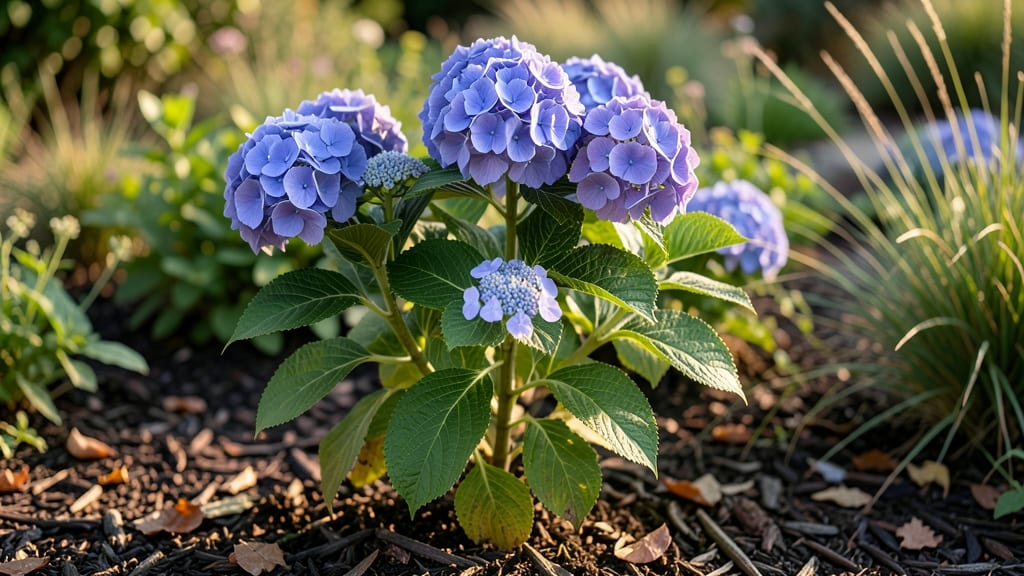
Hydrangeas in Pennsylvania bloom when daytime temperatures consistently reach 60°F—typically between late May and July, depending on your zone.
If you’ve ever wondered why your 🌸 hydrangeas seem to bloom at different times than your neighbor’s, it’s not just luck. Pennsylvania’s unique climate zones and heat triggers play a huge role in determining when these stunning flowers will grace your garden.
In zones 5b-7a, bigleaf varieties often open first in late May, while panicle and oakleaf types may wait until June or even July. The key is tracking those first warm spells after frost—once the soil warms, the blooms follow.
Below, I’ll break down the exact timing for your region, plus 3 pro tips to encourage earlier or longer blooms—so you can enjoy those vibrant clusters for weeks.
Pennsylvania hydrangea bloom timeline by hardiness zones 5-7
Understanding hydrangea bloom timing in Pennsylvania depends heavily on your USDA hardiness zone and the specific variety you're growing. The Keystone State spans zones 5b through 7a, creating noticeable differences in bloom windows between southern and northern regions.
In warmer southern PA (zone 7a), blooms often arrive 2-3 weeks earlier than in cooler northern areas (zone 5b).
Three popular varieties dominate PA gardens: bigleaf hydrangeas (like 'Endless Summer'), panicle hydrangeas (such as 'Limelight'), and oakleaf hydrangeas (like 'Annabelle'). Each responds differently to heat triggers and seasonal shifts. For example, oakleaf hydrangeas typically bloom 2 weeks earlier than bigleaf varieties in the same location.
Heat plays a crucial role in triggering blooms. Most hydrangeas need consistent temperatures above 60°F for 7-10 days to set buds. In PA's zone 5 areas, this usually happens around late April to early May, while zone 7 gardens may see bud formation as early as mid-April.
Late spring frosts can delay blooms by 1-2 weeks if they damage emerging buds.
| Variety | Zone 5b Bloom Window | Zone 6a Bloom Window | Zone 7a Bloom Window | Key Heat Trigger |
|---|---|---|---|---|
| Bigleaf (e.g., 'Endless Summer') | Mid-June to early July | Late May to mid-June | Early May to late May | 70°F+ for 10+ days |
| Panicle (e.g., 'Limelight') | Early July to August | Late June to July | June to early July | 65°F+ for 7+ days |
| Oakleaf (e.g., 'Annabelle') | Late May to early June | Mid-May to late May | Early May | 60°F+ for 5+ days |
Note: Timing shifts 1-2 weeks earlier in urban areas due to heat island effect
In zone 5b (northern PA), gardeners often see bigleaf hydrangeas bloom in mid-June, while panicle varieties follow in early July. The cooler nights in these regions can delay bud opening by 10-14 days compared to southern PA.
For example, in Erie (zone 5b), I've noticed 'Endless Summer' blooms consistently 2 weeks later than the same variety in Philadelphia (zone 7a).
The heat island effect in cities like Pittsburgh and Allentown can advance bloom times by 5-7 days compared to rural areas just 20 miles away. This urban advantage occurs because pavement and buildings retain heat, creating microclimates that mimic zone 6 conditions even in officially designated zone 5 areas.
If you're in a city, expect your hydrangeas to bloom earlier than rural neighbors.
Oakleaf hydrangeas are the earliest bloomers in PA gardens, often opening flowers by late May in zone 7a. Their unique adaptation to cooler temperatures makes them ideal for zone 5 gardens, where they may bloom 3 weeks before bigleaf varieties.
The secret lies in their ability to set buds on old wood, allowing them to take advantage of early spring warmth.
Panicle hydrangeas like 'Limelight' provide the longest bloom season in Pennsylvania, often flowering from July through September. Their heat tolerance makes them perfect for zone 7a gardens, where they can continue blooming even as temperatures exceed 90°F.
In cooler zone 5 areas, their bloom period typically shortens to 6-8 weeks.
To predict your specific bloom window, monitor daily high temperatures starting in April. When temperatures consistently stay above 60°F for 7+ days, hydrangeas begin their bud formation phase.
In my zone 6a garden, I track these temperatures using a minimum-maximum thermometer placed near my hydrangeas for the most accurate readings.
Late spring frosts can dramatically impact bloom timing. A 28°F frost in May (not uncommon in zone 5b) can damage emerging buds, delaying blooms by 2-3 weeks. To protect your hydrangeas, consider installing a frost cloth over vulnerable varieties during late spring.
I've found that covering bigleaf hydrangeas with frost cloth from mid-April to mid-May extends their bloom season by 10-14 days.
Southern Pennsylvania gardeners in zone 7a often enjoy earlier and longer blooms due to milder winters and longer growing seasons. In this zone, hydrangeas can begin blooming as early as late April for oakleaf varieties, while bigleaf types follow in early May.
The extended growing season allows for multiple bloom cycles in some varieties, particularly panicle hydrangeas.
Remember that soil moisture and sunlight exposure also influence bloom timing. Hydrangeas need consistently moist soil to set buds properly, while afternoon shade helps prevent heat stress in hot
How heat triggers hydrangea blooms: what to watch for
Hydrangeas are fascinating because their blooms are directly triggered by heat accumulation after winter dormancy. In Pennsylvania, this means your plants need consistent temperatures between 60°F and 85°F to signal bud development. Without enough warmth, those stunning flower clusters may never appear—or they'll bloom late and look less vibrant.
Think of it like a thermal switch: once your hydrangeas receive enough heat days (a concept called growing degree days), they "flip the switch" and start producing blooms.
In southern PA (Zone 7), this often happens by early May, while northern regions (Zone 5) might not see blooms until June. Late frosts can further delay this process by shocking the plant back into dormancy.
To predict your specific bloom window, check your local last frost date (typically mid-April in southern PA, early May in the north) and add 6-8 weeks for bigleaf hydrangeas or 4-6 weeks for panicle varieties.
For example, if your last frost is April 15, expect bigleaf blooms around June 5-15 in Zone 6. Use free tools like the Penn State AgWeather Network to track heat accumulation in real time.
Watch for bud swell in spring—a sure sign your hydrangeas are responding to heat. These small, green buds appear on last year's wood (for bigleaf types) or current season's growth (panicle/oakleaf).
If your buds brown and drop before swelling, it’s a sign of heat stress or insufficient winter chilling. Mulch heavily in fall to protect roots and maintain stable soil temperatures.
Pro tip: Panicle hydrangeas (like 'Limelight') often bloom 1-2 weeks earlier than bigleaf varieties because they form buds on new growth. This makes them more reliable for early-season color in PA gardens.
If you're in Zone 5, consider planting oakleaf hydrangeas, which tolerate cooler soils and may bloom slightly later but with longer-lasting flowers.
Remember, consistency matters. A few hot days won’t trigger blooms—your hydrangeas need steady warmth over weeks. Monitor your local 7-day forecast in late April/early May: if highs stay above 70°F for 5+ days, your blooms are likely just weeks away! 🌸