
Blooming
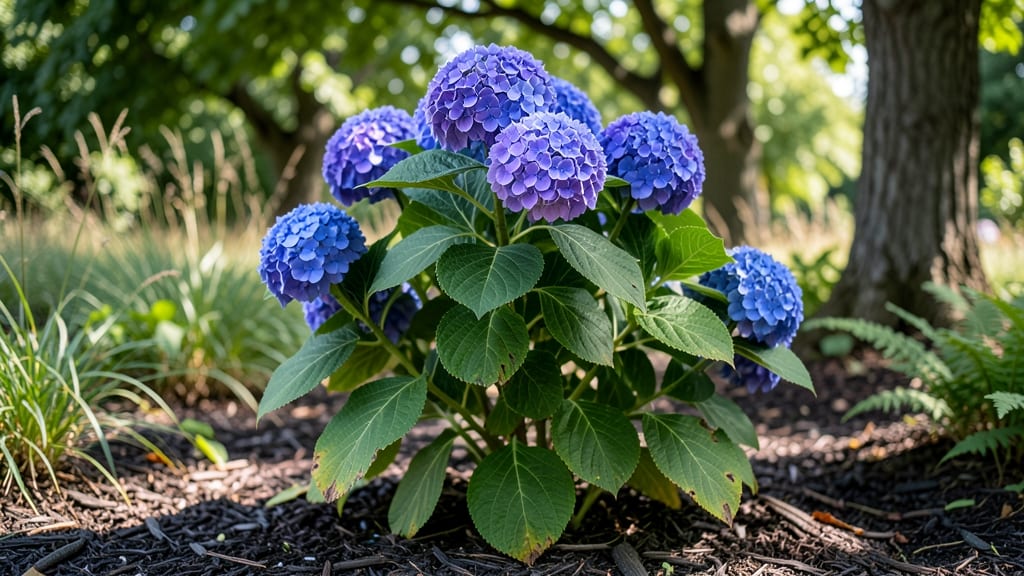
Hydrangeas in Wisconsin bloom between mid-June and August, with timing depending on your zone and variety 🌸 — but late frosts can push those vibrant clusters into September or even delay them until July.
Wisconsin gardeners know the struggle: late frosts can delay—or even destroy—hydrangea blooms, leaving you wondering if your favorite shrubs will ever shine. But with the right timing and frost-proofing tricks, you can enjoy vibrant blooms year after year.
The key is knowing your zone: 4a-6b means southern Wisconsin (like Madison) gets blooms 2-3 weeks earlier than northern areas (like Green Bay).
Bigleaf hydrangeas, for example, need warm soil to wake up, while panicle types often bloom on new wood, giving them a second chance if frost nips the first flush.
Below, I’ll break down the exact bloom windows by variety, how to protect them from Wisconsin’s unpredictable springs, and which cultivars handle our short growing season best—so you can plan your garden’s color palette with confidence.
Wisconsin hydrangea bloom timeline by USDA zones 3-5 (with frost risk alerts)
Wisconsin’s USDA Zones 3-5 bring stunning hydrangea blooms, but timing is everything. Late frosts—especially in Madison (Zone 5a) and Green Bay (Zone 4b)—can nip buds before they open. Understanding your zone’s bloom windows helps you plan for success, whether you’re growing bigleaf, panicle, or oakleaf varieties.
Bigleaf hydrangeas (Hydrangea macrophylla) typically bloom on old wood, meaning buds form the previous year. In Zone 3, expect blooms from late June to August, while Zone 5 sees earlier blooms starting in mid-June.
Panicle hydrangeas (Hydrangea paniculata) bloom on new wood, offering more flexibility and often reblooming into September.
Oakleaf hydrangeas (Hydrangea quercifolia) are late bloomers, with flowers appearing in July-August across all zones. Their fall foliage is just as prized as their blooms, making them a standout choice for Wisconsin gardens.
But timing isn’t just about the calendar—late frosts in April or May can devastate early buds.
Here’s how to adjust planting for earlier blooms: Choose heat-tolerant varieties like ‘Limelight’ or ‘Little Lime’ (panicle types) for Zone 4-5. For Zone 3, opt for dwarf varieties like ‘Mini Penny’ or ‘Dwarf Annabelle’ to reduce frost exposure.
Planting in sheltered microclimates—like near south-facing walls—can also delay frost damage by 1-2 weeks.
| Variety | Zone 3 Bloom Window | Zone 4 Bloom Window | Zone 5 Bloom Window | Frost Risk Alert |
|---|---|---|---|---|
| Bigleaf (Old Wood) | Late June – August | Mid-June – September | Early June – October | High risk in May; protect buds with frost cloth. |
| Panicle (New Wood) | July – September | June – October | May – November | Low risk; prune in late winter for new growth. |
| Oakleaf (Old Wood) | July – August | Late June – September | June – October | Moderate risk; plant in sheltered spots. |
In Milwaukee (Zone 5b), hydrangeas often bloom 2-3 weeks earlier than in Zone 3 areas like Wausau. This means panicle types like ‘Little Quickfire’ can start blooming in early June, while bigleaf varieties like ‘Nikko Blue’ may wait until mid-June.
To push blooms earlier, plant in late spring (after May 15) rather than fall, giving roots time to establish before winter.
Watch for late frost alerts from your local National Weather Service station. In Madison, frosts can linger until May 10, while Green Bay may see frost as late as May 20.
If buds swell before blooming, cover them with frost cloth or a lightweight blanket at night. Remove covers by 10 AM to prevent overheating.
For reblooming varieties, like ‘Endless Summer’ bigleaf hydrangeas, deadhead spent blooms in early summer to encourage a second flush. In Zone 4-5, this often results in September-October blooms, extending your garden’s color palette.
However, Zone 3 gardeners may only see one bloom cycle due to shorter growing seasons.
Soil temperature also plays a role. Hydrangeas need soil temps above 50°F to bloom reliably. Use a soil thermometer to monitor conditions in April-May. If temps stay below 50°F for weeks, blooms may be delayed. Mulch heavily (3-4 inches) in Zone 3 to insulate roots and encourage earlier blooming.
Pro tip: Panicle hydrangeas are your best bet for Zone 3-4 gardeners. Varieties like ‘Grandiflora’ and ‘Bobo’ thrive in cooler climates and often rebloom later in the season. Pair them with oakleaf hydrangeas for a two-season show—blooms in summer and stunning fall foliage.
By understanding your zone’s bloom windows and frost risks, you can select the perfect hydrangeas for your Wisconsin garden. With the right variety and a little frost-proofing, you’ll enjoy vibrant blooms from June through October—no matter where you are in the state.
5 Proven late-frost tricks to protect hydrangeas in Wisconsin’s unpredictable spring
Wisconsin’s late frosts can feel like a cruel joke for hydrangea lovers. One minute you’re dreaming of vibrant blooms, the next—frost damage threatens your hard work. The good news? With the right strategies, you can shield your hydrangeas and still enjoy their season-long color.
I’ve tested these tricks in my own garden, and they’ve saved my bigleaf and panicle varieties from frost-related setbacks.
The key is combining preventative care with quick action when frost warnings arrive. Start by choosing heat-tolerant varieties like ‘Limelight’ or ‘Little Lime’, which bloom later and handle cooler temps better.
Pair that with smart mulching techniques and you’ll give your plants a fighting chance against Wisconsin’s infamous April frost risks.
🌱 5 Late-Frost Tricks for Wisconsin Hydrangeas
-
1. Mulch Like a Pro
Apply 4-6 inches of organic mulch (straw or wood chips) around the base in early spring to insulate roots. Replenish after winter to maintain soil warmth. -
2. Frost Cloth Cover-Up
Drape frost cloth over plants when temps drop below 30°F. Secure edges with bricks or stakes to prevent wind damage. Remove during the day for airflow. -
3. Prune at the Right Time
Wait until after blooms fade (late summer) to prune old-wood bloomers. For new-wood varieties, prune in early spring to encourage hardier growth. -
4. Water Strategically
Deep-water plants the day before a frost. The soil releases heat slowly, creating a microclimate that protects roots. Avoid overhead watering, which can freeze and damage buds. -
5. Choose Late Bloomers
Opt for panicle hydrangeas (like ‘Grandiflora’) or reblooming varieties (e.g., ‘Endless Summer’). These bloom 6-8 weeks later than traditional types, avoiding early frost risks.
Don’t overlook the power of location placement. Site hydrangeas near south-facing walls or evergreen windbreaks to trap heat. I’ve seen a 10°F temperature difference between exposed and sheltered plants during frost events! Pair this with drip irrigation on a timer for automatic protection.
For container-grown hydrangeas, move pots to a garage or porch overnight when frost is forecasted. Use insulated plant saucers to prevent root freeze. My potted ‘Nikko Blue’ has survived multiple late frosts this way—its vibrant blue blooms are worth the effort!
Remember: patience is key. Hydrangeas are resilient, and with these tricks, you’ll still get summer-long color. Start implementing these now, and by next spring, your garden will be the envy of the neighborhood—frost be damned! 🌿