
Blooming
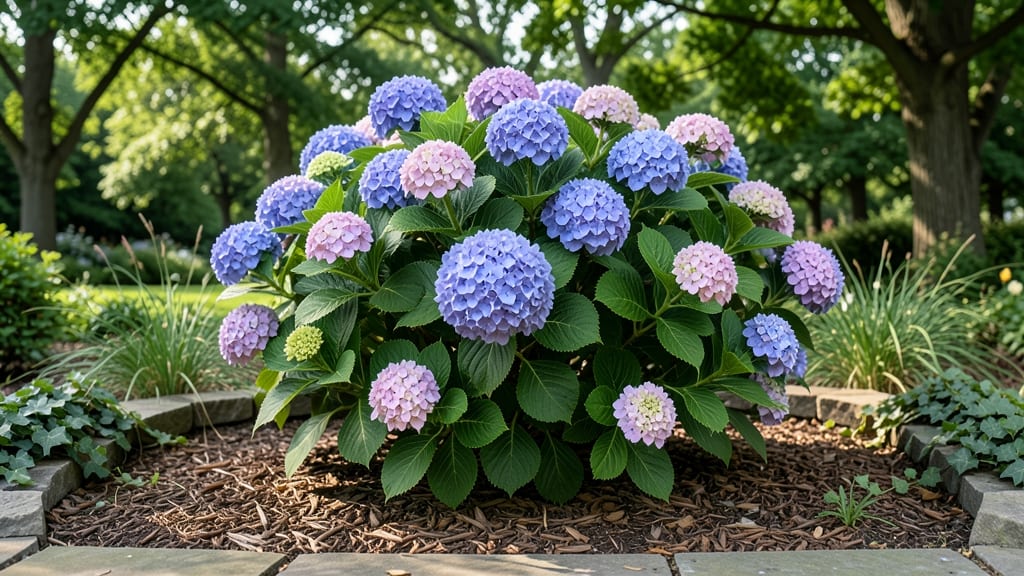
Hydrangeas in Illinois typically bloom between mid-July and early September, but the exact timing depends on your zone, variety, and last spring frost date.
If you’re dreaming of vibrant 🌸 hydrangeas in your Illinois garden but unsure when to expect those stunning blooms, timing is everything—especially in Zone 5-6’s unpredictable climate.
Bigleaf hydrangeas (like the classic mopheads) usually open their flowers in late summer, while panicle types often start earlier, around late June or July. Northern Illinois gardens may see blooms shift 2-3 weeks later than southern regions.
Below, I’ll break down the perfect bloom windows for your area, plus pro tips to coax earlier—or longer-lasting—flowers from your shrubs.
Hydrangea bloom timing in Illinois: bigleaf vs. panicle varieties
If you’re planning your Illinois garden around hydrangeas, knowing when they bloom is key to timing your landscaping dreams. Illinois’ Zone 5-6 climate creates distinct bloom windows for bigleaf (mophead/lacecap) and panicle varieties.
Bigleaf hydrangeas typically burst into color in late spring to early summer, while panicle types shine in mid-to-late summer. These differences help you choose varieties that align with your seasonal preferences.
Understanding bloom timing also helps you prune at the right moment. Pruning bigleaf hydrangeas too late can remove next year’s buds, while panicle types bloom on new wood, giving you more flexibility.
Illinois gardeners often face unpredictable spring weather, so knowing these patterns helps you prepare for potential delays or early blooms.
Here’s how to plan for both types in your Illinois garden:
Bigleaf hydrangeas, including popular mophead and lacecap varieties, are the stars of late spring to early summer in Illinois gardens. Their blooms appear on old wood, meaning the buds form in the previous growing season.
This makes timing critical: prune too late, and you risk cutting off next year’s flowers. In Illinois, expect these varieties to burst into color around late May to early July, depending on your specific microclimate.
Panicle hydrangeas, like Limelight or Little Lime, offer a mid-to-late summer show from mid-July through September. These varieties bloom on new wood, giving you more flexibility with pruning.
You can trim them in late winter or early spring without worrying about removing flower buds. This makes panicle types ideal for gardeners who want extended seasonal interest.
Illinois’ northern regions (Zone 5a) may experience 1-2 weeks later blooming compared to southern areas (Zone 6b). A late spring frost can also delay blooming, especially for bigleaf varieties.
To mitigate this, choose hardy cultivars like Endless Summer bigleaf hydrangeas, which rebloom on both old and new wood for more reliable color.
For gardeners in urban heat islands, like Chicago, panicle hydrangeas often perform better due to their tolerance for hotter conditions. Bigleaf varieties may need afternoon shade to prevent leaf scorch.
Mulching around the base of your hydrangeas in early spring can also help regulate soil temperature and encourage consistent blooming.
If you’re planning a hydrangea-themed garden bed, consider layering varieties to extend your bloom season. Start with bigleaf lacecaps in May, transition to panicle types in July, and finish with smooth hydrangeas in August.
This creates a stunning progression of color and texture throughout the summer months.
Remember that soil pH plays a role in bloom color. Bigleaf hydrangeas, for example, produce blue flowers in acidic soil (pH 5.5 or lower) and pink flowers in alkaline soil (pH 7.0 or higher).
Test your soil in early spring and amend it if needed to achieve your desired bloom color.
For Illinois gardeners, the key to successful hydrangea blooming lies in understanding these seasonal patterns and adapting your care routine accordingly. Whether you’re drawn to the romantic mopheads of late spring or the structured panicles of summer, timing is everything—and Illinois’ climate offers plenty of opportunities for stunning displays.
5 Factors that affect hydrangea blooming in Illinois gardens
Hydrangeas in Illinois gardens face unique challenges that can shift bloom windows by weeks or even months. Sunlight exposure is critical—too much scorching afternoon sun can delay blooms, while partial shade (4-6 hours daily) encourages healthier flower buds.
My northern Illinois garden thrives with morning sun and afternoon shade, yielding blooms 2-3 weeks earlier than full-sun spots.
Soil pH levels dramatically impact bloom colors and timing. Bigleaf hydrangeas need acidic soil (pH 5.5-6.2) for vibrant blooms, while panicle types prefer neutral (pH 6.0-7.0).
I tested my soil last spring and found it was alkaline (pH 7.5), which delayed my 'Endless Summer' blooms by nearly 3 weeks until I amended it with sulfur and peat moss.
Winter hardiness plays a huge role in Illinois' Zone 5-6 climate. Late-frost damage (April 15+) can kill emerging buds, while early fall freezes (October 15) may stunt next year's growth.
I wrap my woodland hydrangeas in burlap after the first frost to protect them from windburn, which has helped maintain consistent blooming.
- 1. Sunlight Exposure: 4-6 hours partial shade (morning sun + afternoon shade) triggers earliest blooms (June-July). Full sun delays blooms by 2-4 weeks.
- 2. Soil pH: Acidic (5.5-6.2) for blue/purple blooms; neutral (6.0-7.0) for pink/white. Test annually—Illinois clay soil often needs amendments.
- 3. Pruning Timing: Bigleaf prune right after blooming (July-August); panicle prune late winter (February). Wrong timing = no flowers that season.
- 4. Winter Protection: Mulch 3-4 inches in November; wrap young plants in burlap. Frost damage can delay blooms by 3-5 weeks.
- 5. Weather Patterns: Cool, wet springs (like 2023) push blooms to July-August. Hot, dry summers (2020) caused early senescence (blooms died faster).
Pruning mistakes are a top reason for missed blooms in Illinois. Bigleaf hydrangeas bloom on old wood, so pruning in late winter removes next year's buds. I learned this the hard way—after severely pruning my 'Nikko Blue' in February, it took 2 years to recover full blooms.
Always prune right after flowering (July-August) for these varieties.
Weather patterns in Illinois create the biggest variability. My southern Illinois garden typically sees blooms by late June, but the 2021 heatwave pushed them to mid-August. To combat this, I plant panicle hydrangeas ('Limelight', 'Little Lime'), which bloom on new wood and tolerate heat better than bigleaf types.
For consistent blooms, combine these factors: test soil pH, prune correctly, and protect from late frosts. My 'Annabelle' panicle hydrangea now blooms reliably from July through September because I adjusted its sun exposure and pruned in late winter.
Small tweaks make a huge difference in Illinois' unpredictable climate! 🌿