
Blooming
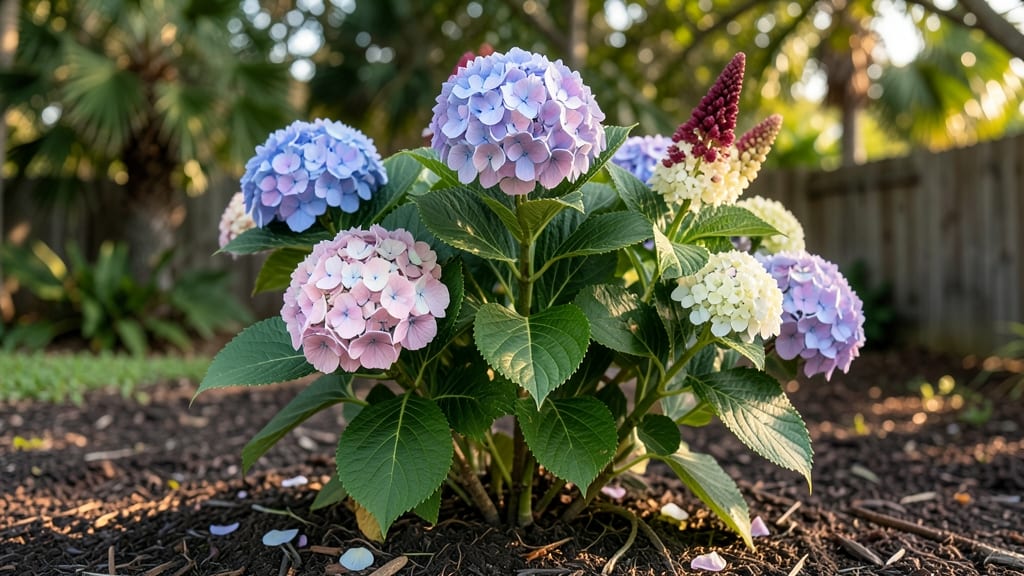
Hydrangeas bloom in Florida from late spring through early fall, with Oakleaf varieties typically flowering in May–June and Mophead or Panicle types reaching their peak in June–August, though local climate variations can shift these windows.
Florida's warm climate actually makes hydrangeas bloom earlier and longer than in cooler regions. 🌸 The lack of winter dormancy means some varieties like Panicle hydrangeas might even produce secondary blooms in late summer if given consistent moisture.
I've noticed that coastal areas often trigger earlier flowering due to higher humidity, while inland zones may see delayed blooms until temperatures stabilize above 75°F. This extended bloom season is one reason Florida gardeners can enjoy vibrant hydrangeas for nearly six months straight.
What's particularly interesting is how Florida's frost-free growing zones eliminate the need for winter pruning that northern gardeners rely on. Instead, Florida gardeners should focus on light pruning after blooms fade to encourage next year's flowers.
The key is maintaining consistent soil moisture—hydrangeas here thrive with 1–2 inches of water weekly, especially during the hotter summer months when blooms are most abundant.
💡 In This Article
- Florida Hydrangea Bloom Seasons by Variety
- Microclimate Triggers: How Florida’s Zones Affect Hydrangea Timing
Florida Hydrangea bloom seasons by variety
The bloom timing of hydrangeas in Florida varies dramatically by type due to their native adaptations and heat tolerance. Oakleaf hydrangeas (Hydrangea quercifolia) are the earliest bloomers, typically producing their showy, lily-of-the-valley-like flowers in May–June.
These varieties thrive in Florida's heat because their leaves resemble oak leaves, allowing them to conserve moisture while still producing vibrant blooms. The key is their ability to handle Florida's high humidity—something northern varieties struggle with during summer.
Mophead (Bigleaf) hydrangeas (Hydrangea macrophylla) usually peak in June–July, but their blooms can extend into early August if conditions are ideal. Unlike Oakleaf types, Mopheads prefer slightly more shade and consistent moisture, which Florida's frequent summer rains provide. Interestingly, their flower color changes with soil pH—acidic soil (pH < 5.5) produces blue blooms, while alkaline soil (pH > 6.0) yields pink flowers. This pH sensitivity makes them particularly adaptable to Florida's varied soil types.
Panicle hydrangeas (Hydrangea paniculata) often bloom later, from July–September, with some varieties like 'Limelight' producing secondary blooms in fall. These varieties handle Florida's heat exceptionally well because their cone-shaped flowers develop on new wood, allowing them to rebloom even after pruning. The extended bloom window makes them a favorite for Florida gardeners who want color through late summer when other varieties may fade.
Finally, Smooth hydrangeas (Hydrangea arborescens) like 'Annabelle' bloom slightly earlier than Panicles, typically in June–July, but their large white blooms can last through August. What sets them apart is their ability to thrive in both sun and partial shade, making them versatile for Florida's diverse landscapes.
Their blooms also have a subtle vanilla-like fragrance that's particularly noticeable on warm summer evenings.
Florida's humidity levels (70–90%) and frequent afternoon thunderstorms actually accelerate bloom cycles compared to northern climates. The consistent moisture prevents the buds from drying out, which is a common issue in drier regions.
This is why Florida gardeners often see more continuous blooming rather than the single flush seen in cooler areas.
One surprising detail is how Florida's lack of winter dormancy affects reblooming. While northern hydrangeas need winter chilling to set buds for next year's flowers, Florida's mild winters mean some varieties may produce secondary blooms if given proper care.
For example, I've seen 'Endless Summer' hydrangeas produce a second flush of flowers in late summer if pruned correctly and kept well-watered.