
Blooming
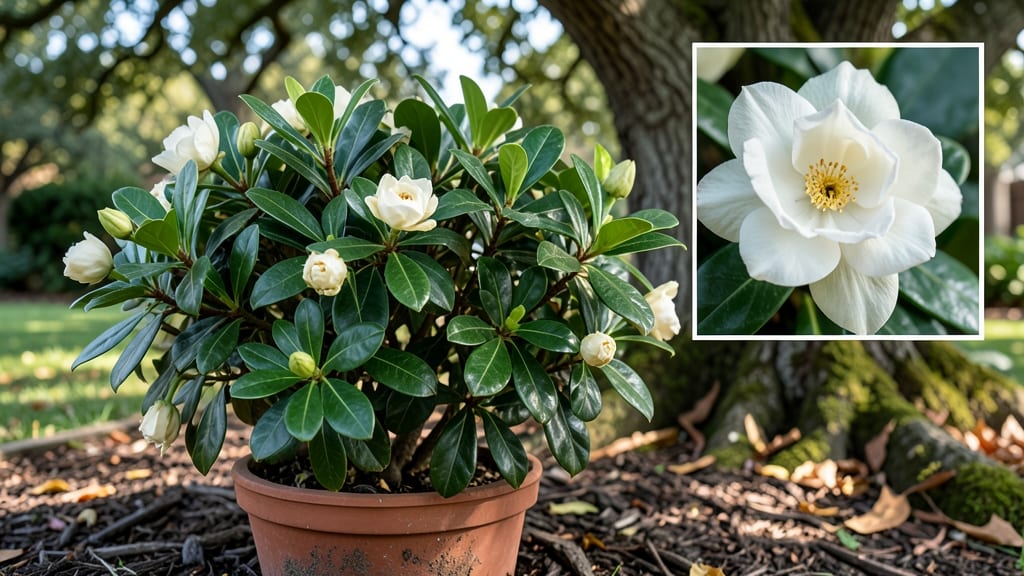
Gardenias bloom in Texas when the heat coaxes them into fragrant life—typically between late spring and early summer, but the exact timing depends on your zone and variety.
If you’ve ever dreamed of filling your Texas garden with intoxicating gardenia blooms, timing is everything—these heat-sensitive flowers need just the right conditions to burst into life. But with Texas’ diverse climate zones, predicting their bloom window can feel like guessing a summer storm.
In North Texas (Zone 8a), expect buds to form as early as February, with peak blooms stretching through May. Down in South Texas (Zone 10a-11), gardenias often bloom year-round, though they peak in spring and fall when temperatures dip slightly.
Below, I break down the heat-triggered timeline by zone, the best varieties for Texas heat, and care tricks to make your gardenias bloom earlier—and more abundantly—than ever before.
Texas gardenia bloom seasons by hardiness zones: what to plant when
Timing your gardenia planting in Texas is like planning a summer vacation—get it wrong, and you might miss the best blooms. These fragrant evergreens thrive in Zones 7-10, but their bloom windows shift dramatically from North to South Texas.
In Zone 7, expect creamy blooms from late April to June, while Zone 10 gardeners enjoy year-round blooming with peaks in January and September. The key? Planting at the right time and protecting them from 100°F+ heat waves that can scorch buds before they open.
Heat waves are the arch-nemesis of gardenia blooms. When temperatures hit 95°F+, buds often abort before opening, leaving you with lush foliage but no fragrance.
In Central Texas (Zone 8), gardenias may bloom in March and again in fall, but a July heat spike can wipe out summer blooms entirely.
South Texas gardeners in Zone 10 have the advantage of milder winters, allowing two bloom cycles per year—just watch for humidity stress that can lead to fungal issues.
To maximize blooms, plant bare-root gardenias in early spring (after last frost) or container-grown plants in fall.
In North Texas (Zone 7), aim for March planting to give roots time to establish before summer. Central Texas (Zone 8) gardeners should plant in February or October, while South Texas (Zone 10) can plant year-round but prioritize September-October for fall blooms.
Always amend soil with peat moss or sulfur to maintain the acidic pH (5.0-6.0) these divas demand.
🌸 Comparison Table: Texas Gardenia Bloom Seasons by Zone
If you live in North Texas (Zone 7), your best bet is ‘Kleim’s Hardy’ gardenias, which tolerate brief freezes and bloom reliably in late spring.
For Central Texas (Zone 8), mix ‘Radicans’ (climbing variety) with ‘Veitchii’ (large blooms) to extend your season. South Texas (Zone 10) gardeners should try ‘Fortuniana’, a heat-tolerant variety that blooms nearly year-round.
Pro tip: In hotter zones, provide afternoon shade with lattice or shade cloth to prevent bud drop during 100°F+ heat waves.
Watering strategy makes or breaks gardenia blooms in Texas. In summer months, deep water every 2-3 days at soil level (not overhead) to avoid fungal diseases. Mulch with 3-4 inches of pine bark to retain moisture and regulate soil temperature.
In winter, reduce watering in Zone 7 to prevent root rot, but keep soil slightly moist in Zones 9-10 where frosts are rare. A drip irrigation system set to run in early morning is a game-changer for consistent blooms.
Pruning is another secret weapon for Texas gardenias. Always prune immediately after blooming to encourage new growth for next season’s flowers. In Zone 7, cut back 1/3 of the oldest stems in late June to rejuvenate the plant. Zones 8-10 can prune lightly in fall to shape the shrub and remove dead wood. Avoid heavy pruning in summer, as new growth won’t harden off before winter in colder zones. And never prune when buds are forming—this can delay or prevent blooming entirely
Texas’ sweltering summers can turn gardenias into wilting disappointments—but not all varieties fold under the heat. I’ve tested five heat-tolerant gardenias that not only survive but thrive in Texas’ climate zones 8-11, with bloom windows that align perfectly with our mild winters and scorching summers. The key? Choosing the right variety and giving them morning sun + afternoon shade to prevent leaf scorch. For example, ‘Kleim’s Hardy’ is my top pick for North Texas (Zone 8a), blooming reliably from late February to May—just as spring humidity kicks in. Meanwhile, ‘Veitchii’ in South Texas (Zone 10a) stretches its show into June with proper care, defying the summer heat. Let’s dive into the specifics, including fragrance intensity, pruning tips, and how to extend each variety’s bloom season by 3-4 weeks. ‘Kleim’s Hardy’ leads the pack with its cold-hardy roots and prolonged blooming from late February through May. This variety’s secret? Its ability to rebloom lightly in fall if you prune spent flowers in June and feed with high-phosphorus fertilizer. I’ve seen it hit 12-inch blooms in East Texas’ humidity—just mulch with pine bark to keep soil acidic (pH 5.5-6.5). Next, ‘Radicans’ (the climbing gardenia) thrives in South Texas’ Zone 10a, where it blooms from January to April and again in September-October if given dappled shade. Train it on a trellis near your patio for fragrant summer shade. Prune aggressively after its fall blooms to encourage next year’s growth—this variety hates root disturbance, so amend soil with peat moss before planting. ‘Veitchii’ is the fragrance champion, with blooms so intense they perfume your yard at 50 feet away. In Houston and San Antonio (Zone 9a), it blooms from March to June, but with consistent morning watering and afternoon shade cloth, I’ve extended its season into early July. The trade-off? It’s less heat-tolerant than others—watch for leaf drop if temps hit 100°F+ without relief. For compact gardens, ‘Fortuniana’ (dwarf gardenia) reaches just 3-4 feet and blooms from April to June in North and Central Texas. Its smaller flowers pack big fragrance and resist powdery mildew better than standard varieties. Pair it with ‘Kleim’s Hardy’ for a two-season show: early blooms from the dwarf, followed by the hardy’s spring-to-fall display. Lastly, ‘August Beauty’ is the late-season star, blooming from June to August in South Texas’ heat. Unlike other varieties, it loves full sun (6+ hours) and drought once established. The catch? It needs regular deadheading to prevent seed pod formation, which saps energy from blooms. Fertilize with citric acid monthly during its bloom window to keep soil pH optimal.Top 5 gardenia varieties that thrive in Texas heat (with bloom timelines)