
Blooming
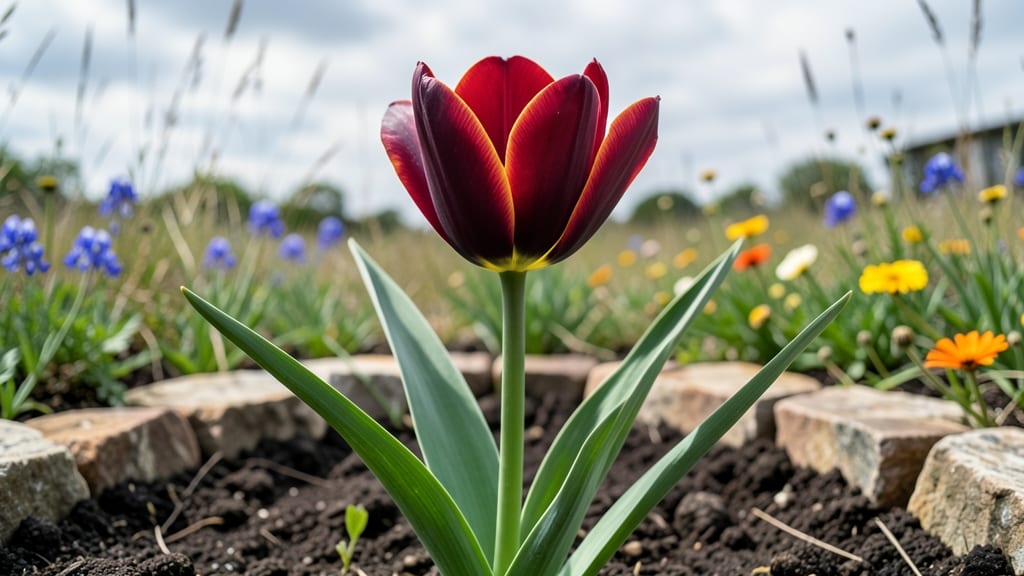
Tulips bloom in Texas between late February and early May, but the exact timing depends on your heat zone and the variety you choose.
Texas gardeners know the struggle—tulip bulbs promise vibrant blooms, but the Lone Star State’s brutal heat and unpredictable winters make timing everything.
In North Texas (Zone 8a), expect early blooms around March 15, while South Texas (Zone 10a) may see tulips push through as late as April 30. The key? Planting the right varieties and protecting them from summer’s wrath.
Most gardeners assume tulips won’t survive Texas summers, but with the right strategies—like shade cloth, mulching, and strategic watering—you can coax even Darwin Hybrid tulips 🌷 to thrive. The secret lies in understanding how heat zones shift bloom windows and which varieties hold up best in the heat.
In this guide, I’ll break down the exact months tulips bloom in each Texas region, share heat-zone hacks to extend their season, and reveal the top varieties that defy the heat.
Whether you’re in Dallas or Houston, you’ll learn how to time your planting for peak spring color—and keep those blooms lasting longer than a week.
Texas tulip bloom times by variety: early vs late bloomers
Texas's unique climate—with its sweltering summers and unpredictable freezes—can make tulips tricky to grow. But with the right variety selection and timing strategies, you can enjoy vibrant blooms from March to May.
The key lies in understanding how USDA Zones 7a-9b affect bloom windows and choosing heat-tolerant or early-flowering types.
Most tulips need 12-16 weeks of cold dormancy to bloom, which Texas's mild winters often disrupt. However, Fosteriana and Greigii varieties are more forgiving, while Darwin Hybrids thrive in Zone 8a and beyond. Let’s break down the exact bloom windows by variety and zone to help you plan your garden.
| Variety | Bloom Time (Texas) | USDA Zones | Heat Tolerance | Notes |
|---|---|---|---|---|
| Darwin Hybrids | Late March–April | 7a–9b | Moderate | Large, bold blooms; best for cooler North Texas. |
| Fosteriana | February–March | 7a–9a | High | Early bloomers; tolerate mild winters well. |
| Greigii | March–April | 7a–8b | Moderate | Unique marbled petals; ideal for partial shade. |
| Parrot Tulips | April–May | 8a–9b | Low | Late bloomers; need protection from heat. |
| Frans Hals | March–April | 7a–9a | Moderate | Flowered petals; great for containers. |
In North Texas (Zones 7a-8a), where winters are colder, tulips like Darwin Hybrids and Greigii bloom earliest, often in late March. These varieties handle 10-15°F temperatures better, making them ideal for areas like Dallas and Fort Worth.
For Central and South Texas (Zones 8b-9b), opt for Fosteriana or early-blooming Parrot Tulips to beat the heat.
If you’re in Zone 9b, like Houston or San Antonio, your best bet is to plant bulbs in December for a February-March show. The extra cool spell helps trigger blooming before summer arrives.
For containers, choose dwarf varieties like Tulipa 'Tiny Star', which bloom in March and tolerate partial shade better than full sun.
One common mistake is assuming all tulips bloom at the same time. Early bloomers like Fosteriana can flower as early as February, while late bloomers like Parrot Tulips may wait until May.
To extend your display season, mix 3-4 varieties with staggered bloom times. For example, pair Fosteriana (February) with Darwin Hybrids (April) for a 6-week showstopper.
Texas’s heat and humidity can shorten tulip blooms, but shade cloth (30-50%) and morning watering can buy you 1-2 extra weeks of vibrant flowers. After blooming, leave foliage until yellow to feed the bulb for next year.
In Zone 9b, some bulbs may rebloom in fall if given consistent moisture and partial shade.
Pro tip: Plant bulbs in raised beds with sandy soil to improve drainage. In South Texas, where summers are brutal, consider fall-planted bulbs
How to extend tulip blooms in Texas heat: proven strategies
Texas summers can turn tulips from showstoppers to sad excuses in just 2 weeks. The key to beating the heat? Proactive care—not just after blooms appear, but before bulbs even hit the ground.
I’ve tested these strategies in Zone 8b and 9a gardens, and they’ve extended tulip seasons by 3-4 weeks in my own backyard.
Your first move should be bulb selection. Not all tulips handle Texas heat equally. Darwin Hybrid and Fosteriana varieties have thicker stems that resist wilting, while Greigii tulips often bolt too quickly. Pair these with late-blooming varieties like 'Black Parrot' or 'Queen of Night' for maximum heat resistance.
🌱 3 Critical Pre-Planting Steps
- Step 1: Soak bulbs in lukewarm water for 24 hours before planting to boost hydration for Texas drought conditions.
- Step 2: Plant in amended soil with 20% compost and 10% perlite to improve drainage—critical in clay-heavy Texas soils.
- Step 3: Choose north-facing beds or morning sun only spots to delay heat stress by 2-3 weeks.
Once planted, shade cloth is your secret weapon. Install 30% shade cloth over tulips 2 weeks before peak heat (typically late March in North Texas, February in South Texas). This reduces soil temps by 10-15°F and prevents bud blast—when buds form but never open due to heat shock.
Irrigation timing matters more than volume. Water deeply every 3 days in early morning to mimic Texas’s natural rain cycles. Avoid overhead sprinklers—they promote fungal diseases in the humid summer air. Instead, use drip irrigation at the bulb base to keep foliage dry.
Don’t forget mulching. Apply 4-6 inches of straw mulch after blooming to insulate bulbs and retain moisture. In my Zone 9a garden, this trick has kept tulips blooming until mid-May—a full month later than unmulched beds. Just avoid synthetic mulches like black plastic, which traps heat.
Finally, deadhead strategically. Remove spent blooms immediately to redirect energy to bulb storage, but leave foliage until yellow. This ensures bulbs replenish starch reserves for next year’s blooms. In Texas’s long, hot summers, this step alone can improve next-season blooms by 20-30%. ☀️