
Blooming
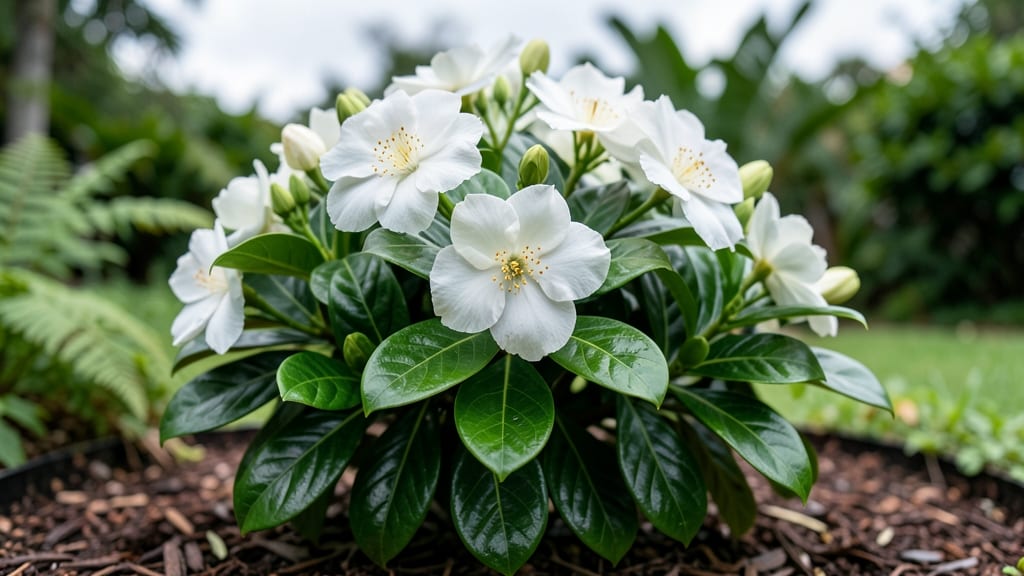
Gardenias in North Carolina bloom from late May through July, with early varieties like 'Kleim’s Hardy' often opening in May and later types like 'Radicans' peaking in June or July, depending on frost-free dates and local microclimates.
North Carolina's varied climate creates distinct blooming windows for gardenias. 🌸 Coastal areas tend to see earlier blooms due to milder winters, while inland regions may experience delayed flowering until after the last frost. The state's USDA zones 7b-8a further influence timing, with cooler elevations pushing blooms into late June.
I've found that gardenias planted in sheltered microclimates—like near south-facing walls—can start flowering a full two weeks earlier than those in exposed areas.
For gardeners eager to extend the bloom season, strategic pruning after the first flush can encourage a second round of flowers in late summer. 🌿 Acidic soil (pH 5.5-6.5) and consistent moisture are also critical—drought stress or alkaline soil can delay blooming or reduce flower production.
My go-to trick is applying a 2-3 inch layer of pine bark mulch in early spring to help retain moisture and regulate soil temperature.
💡 In This Article
- Gardenia Blooming Seasons by Variety in NC
- Optimizing Gardenia Blooms in North Carolina Gardens
Gardenia blooming seasons by variety in NC
North Carolina's gardenia varieties showcase distinct blooming patterns due to their genetic hardiness and regional climate variations.
The 'Kleim’s Hardy' variety typically kicks off the season as early as late April to early May in coastal areas like Wilmington, where milder winters create a 10-14 day head start compared to inland Piedmont regions.
This variety's frost tolerance allows buds to form earlier, with peak blooming occurring between May 15 and June 10. The flowers themselves emit a rich, creamy fragrance most intense in the early morning hours when temperatures hover around 65-70°F.
The 'Radicans' variety follows with its blooming peak typically landing between June 15 and July 15, though in higher elevations like the Blue Ridge Mountains (USDA zone 7b), flowering may be delayed until early July.
What sets this variety apart is its ability to produce 3-5 inch blossoms that last 5-7 days per stem—a full week longer than most gardenia varieties. The 'Veitchii' cultivar, known for its double blooms, generally aligns with 'Radicans' timing but produces flowers with a slightly stronger, more citrusy fragrance profile.
Microclimate plays a crucial role in these timelines. Coastal gardenias benefit from the ocean's temperature moderation, while inland gardens may experience 7-10 day delays due to later frost-free dates. For example, Raleigh's average last frost occurs around April 15, while Asheville's typically happens two weeks later.
This regional variation explains why gardeners in the Outer Banks might see blooms by early May, while those in the Mountains may not see their first flowers until late May or early June.
The science behind this timing involves gardenias' sensitivity to daylight hours and temperature fluctuations. These plants are short-day plants, meaning they respond to decreasing daylight after the summer solstice by initiating flower buds.
However, they require consistent temperatures above 60°F for bud development—a threshold often met in coastal NC by late April but delayed until May in higher elevations.
The fragrance intensity also peaks during these optimal temperature windows, creating that signature gardenia aroma that's most noticeable between 9 AM and 11 AM when humidity is lowest.
For gardeners tracking bloom windows, note that 'Kleim’s Hardy' often produces its first flush of blooms 4-6 weeks after the last frost date, while 'Radicans' typically needs 6-8 weeks of frost-free growing conditions.
This timing difference explains why coastal gardeners might see both varieties blooming simultaneously, while inland gardeners may experience staggered blooming periods spanning 6-8 weeks. The key is selecting varieties that match your specific frost-free date and microclimate conditions.