
Blooming
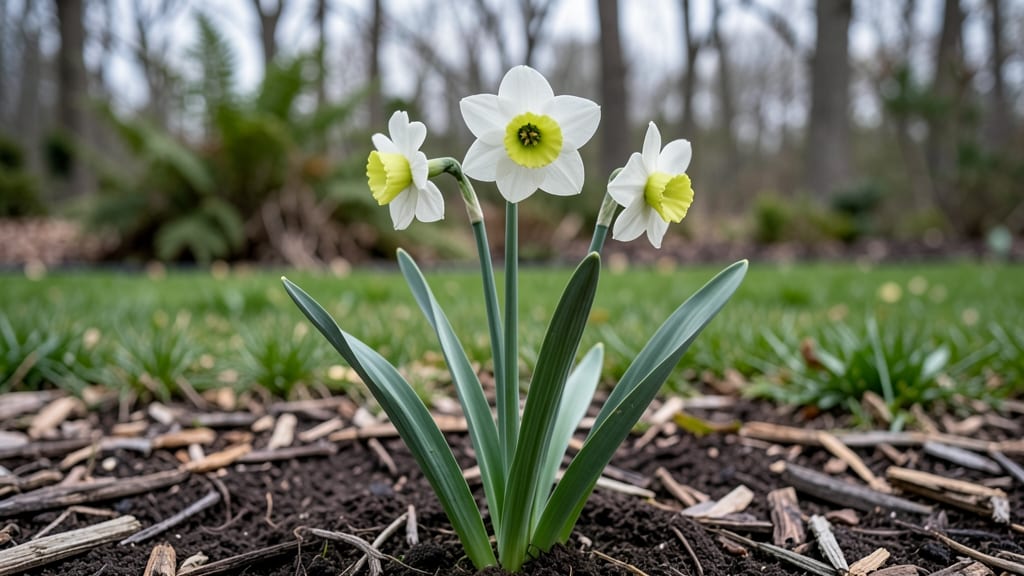
Daffodils in Massachusetts bloom between late March and early May, turning even the grayest spring days into a burst of sunshine 🌼. You’ve probably noticed how these cheerful blooms seem to appear overnight, as if by magic, after months of winter’s grip.
Massachusetts gardeners eagerly await their arrival because these hardy flowers defy winter’s chill, often pushing through snow to announce warmer days ahead. Whether you’re in Boston or the Berkshires, timing matters—cooler coastal areas may see blooms a week or two earlier than inland spots.
Not all daffodils bloom at once, though. Early varieties like 'Ice Follies' might pop up in late March, while later ones like 'Tête-à-Tête' linger into May. This spread means you can enjoy their beauty for weeks if you plant a mix of types.
Here’s what you’ll learn: how to predict bloom times for your region, which varieties thrive earliest, and how to plan your garden for a show-stopping spring display.
Massachusetts daffodil bloom timeline: month-by-month expectations
Massachusetts gardeners know that daffodils are nature’s first burst of color after winter’s grip. Their bloom timing varies dramatically across the state, influenced by coastal moderation versus inland chill. Understanding these patterns helps you plan your garden for those early spring cheer moments.
The coastal regions like Cape Cod and the South Shore experience milder winters, often seeing daffodils emerge as early as late February. Inland areas, such as the Berkshires or Worcester, typically wait until mid-to-late April for full bloom.
Microclimates—like sunny south-facing slopes or sheltered garden beds—can shift these timelines by 2-3 weeks.
Here’s how to anticipate bloom times across Massachusetts’ distinct climate zones:
In coastal areas, daffodils often bloom 3-4 weeks earlier than inland gardens due to the milder maritime climate. For example, Cape Cod gardeners might spot 'Tête-à-Tête' daffodils as early as late February, while inland areas like the Berkshires see their first blooms in mid-March.
Microclimates play a crucial role. A south-facing slope can warm soil faster, triggering blooms 2 weeks ahead of nearby flat gardens. Conversely, shaded or low-lying areas may delay blooms until late April. Pay attention to where sunlight lingers longest in your garden to create ideal conditions.
Soil temperature is another key factor. Daffodils begin growing when soil reaches 45-50°F. In warmer microclimates, this can happen as early as February, while colder inland spots may not reach this threshold until April. Use a soil thermometer to track these shifts in your garden.
If you’re planning for early blooms, focus on dwarf varieties like 'Tête-à-Tête' or 'February Gold'. These varieties thrive in cooler conditions and often bloom 2-3 weeks earlier than standard types. Plant them in well-draining soil with full sun exposure for best results.
For gardeners in colder inland regions, consider late-season varieties like 'Peach Sorbet' or 'Dutch Master'. These varieties store energy in their bulbs during longer chilling periods, ensuring vibrant blooms even in late April or early May.
Mulch heavily in fall to protect bulbs from freeze-thaw cycles.
Regardless of your location, daffodils reward patience. With the right variety selection and microclimate awareness, you can enjoy spring’s first blooms weeks before your neighbors—even in Massachusetts’ chilliest corners. 🌼
How to time daffodil planting for early Massachusetts blooms
Timing is everything when it comes to early daffodil blooms in Massachusetts. To beat your neighbors to the punch, you’ll need to plant bulbs at the perfect window—typically 6-8 weeks before the ground freezes.
In most of MA, that means mid-September through October, but coastal areas can extend planting into early November due to milder winters. The key is getting those bulbs into the soil while temperatures are still above 50°F—they need time to establish roots before winter sets in.
Don’t wait until November unless you’re in Zone 6b or warmer. Late plantings risk shallow root growth, which means weaker blooms next spring. I’ve learned this lesson the hard way—my 2021 late-planted bulbs took two weeks longer to bloom and produced fewer flowers than my early-planted batch.
The difference was clear as day when my neighbors’ daffodils appeared in early April, while mine lingered until mid-May.
- Plant bulbs by October 15 for peak early blooms in March-April. This is the sweet spot for Massachusetts gardeners to ensure roots establish before winter.
- Choose early-blooming varieties like 'Tête-à-Tête' or 'Ice Follies'—these bloom 2-3 weeks earlier than standard types and thrive in USDA Zones 5b-6b.
- Prep soil with compost to improve drainage and fertility. Daffodils hate soggy soil, so amending with organic matter prevents rot and encourages strong root growth.
- Aim for 6-8 inches deep and 4-6 inches apart—this spacing gives bulbs room to multiply while keeping blooms dense. Use a bulb planter for precision.
- Water deeply after planting to settle soil around roots, then reduce watering until spring. Overwatering in fall can promote fungal diseases.
- Mulch lightly with straw (2-3 inches) to insulate bulbs through winter. Avoid thick mulch—it can smother emerging shoots in early spring.
- Mark planting spots with biodegradable flags so you don’t accidentally dig up bulbs when spring cleaning the garden.
Soil preparation is just as critical as planting timing. Daffodils thrive in well-draining, slightly acidic soil with a pH between 6.0 and 7.0. Before planting, work in 2-3 inches of compost or aged manure to boost fertility.
I test my soil every 2-3 years—last time, my garden’s pH was 6.5, perfect for daffodils. If your soil is too alkaline, add peat moss or sulfur to adjust it. Poor drainage? Raise beds or plant bulbs on mounds to prevent rot.
Selecting the right daffodil varieties can shave weeks off your bloom time. Early bloomers like 'February Gold' or 'Carlton' often push through snow in late March, while mid-season types like 'Dutch Master' wait until April.
For the earliest show, opt for dwarf varieties—they bloom 1-2 weeks ahead of standard types and are perfect for rock gardens or containers. Pro tip: Mix 3-4 varieties for a staggered bloom that lasts 4-6 weeks.
After planting, resist the urge to overwater. Daffodils are drought-tolerant once established, and excess moisture in winter can stress bulbs. Water deeply once after planting, then let nature take over.
In spring, resume watering when shoots emerge—about 1 inch per week until blooming. I’ve found that morning watering prevents fungal issues and keeps foliage disease-free.
Finally, don’t cut back foliage too soon—it powers next year’s blooms! Wait until yellowing and browning (about 6-8 weeks after flowering) before trimming. Last spring, I accidentally mowed my daffodil leaves too early, and my 2023 blooms were half as abundant.
Lesson learned: Patience pays off with daffodils. With the right timing and care, you’ll have vibrant blooms weeks before your neighbors—and that’s a sight to behold in any Massachusetts garden! 🌼