
Blooming
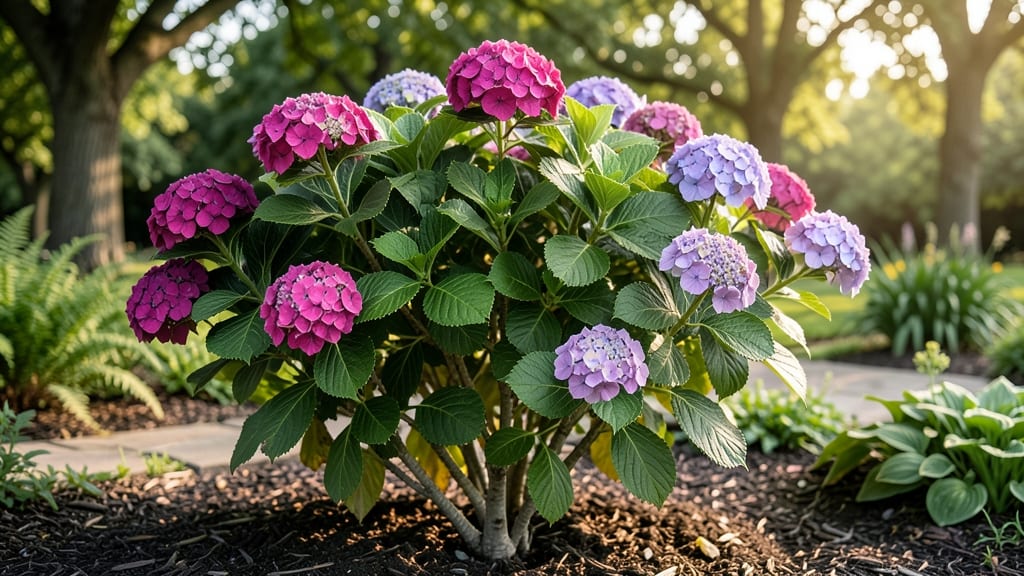
Hydrangeas bloom in Cape Cod between late June and early September, but the exact timing depends on your variety and microclimate—because that coastal breeze and sandy soil can shift blooms by weeks.
Picture this: your Bigleaf hydrangea 🌸 is bursting with color in early July, while the Panicle variety down the road isn’t even budding yet. Why? Salt spray, wind exposure, and even the direction your garden faces can turn a predictable bloom schedule into a guessing game.
Most Cape Cod gardeners assume their Oakleaf hydrangeas will bloom in August, but if you’re in a wind-sheltered spot with loamy soil, you might see flowers as early as June.
Meanwhile, those planted near the dunes could wait until September—or worse, skip blooming entirely if the salt stress takes over.
Don’t let Cape Cod’s quirky climate ruin your summer display. I’ll break down the exact bloom windows for each variety, how to spot the signs of delayed blooms, and the simple tweaks that can add weeks to your hydrangea’s show—no matter where you are on the Cape.
Cape Cod hydrangea bloom schedule by variety: month-by-month breakdown
Cape Cod’s coastal microclimates create a unique bloom schedule for hydrangeas, where sandy soils and ocean breezes can delay or advance blooms by 2–4 weeks compared to inland gardens.
Unlike most regions, Cape Cod’s USDA Zone 6b experiences warmer springs near the ocean but cooler summers in protected areas—meaning your hydrangea variety and planting location dictate everything from first buds to peak bloom.
For example, Bigleaf hydrangeas planted in Provincetown’s salt-spray zone may bloom 2 weeks later than those in Wellfleet’s sheltered bayside gardens. Meanwhile, Panicle hydrangeas—like 'Limelight'—often rebloom in late summer, extending their show until October if given the right care.
Understanding these variety-specific timelines helps you plan pruning, fertilize strategically, and choose the right varieties for your microclimate.
Below is your month-by-month breakdown of when to expect blooms, organized by hydrangea type and Cape Cod’s three key microclimates: exposed coastal, protected bayside, and inland sandy soils. Use this as your bloom calendar to time pruning, deadheading, and even wedding garden planning!
| Variety | Coastal Exposure | Bayside Sheltered | Inland Sandy | Bloom Notes |
|---|---|---|---|---|
| Bigleaf ('Nikko Blue', 'Endless Summer') | Late June–July | Early June–July | Mid-June–August | Reblooms if deadheaded; color shifts with soil pH. |
| Panicle ('Limelight', 'Little Lime') | July–September | June–October | July–September | Heat-tolerant; late-season blooms on new wood. |
| Oakleaf ('Snow Queen', 'Pincushion') | July–August | June–September | Late June–August | Stunning fall foliage; blooms on old wood. |
| Mophead ('Annabelle', 'Vanille Fraise') | Late June–July | Early June–July | Mid-June–August | Single flush; prune after blooming. |
| Smooth ('Annabelle' types) | July–August | June–September | Late June–August | Drought-tolerant; thrives in sandy soils. |
Note: Timing shifts 2–4 weeks based on salt exposure, soil moisture, and winter chill hours.
If you’re growing 'Endless Summer' Bigleaf hydrangeas, you’ll notice they bloom twice: once on old wood (from last year’s growth) in June and again on new wood in late summer if you deadhead spent blooms.
This reblooming trick works best in protected bayside gardens where humidity is lower and heat stress is minimal.
For Panicle hydrangeas like 'Limelight', the real magic happens in August and September. These varieties are heat-lovers and hold blooms longer than other types, making them perfect for late-summer weddings or fall color displays.
In exposed coastal areas, however, blooms may open later due to wind stress, so protect young plants with burlap windbreaks during their first year.
Oakleaf hydrangeas are Cape Cod’s hidden gem—their June–July blooms are stunning, but the real showstopper is their fall foliage, which turns crimson and gold in October. In inland sandy soils, they often bloom 2 weeks later than in bayside gardens because cooler nights delay bud opening. To encourage earlier blooms, mulch heavily in spring to retain soil moisture.
One common mistake Cape Cod gardeners make
How Cape Cod’s microclimates delay or advance hydrangea blooms (with fixes)
Cape Cod’s dramatic microclimates create a 3-week bloom window shift between Wellfleet’s sheltered bays and Provincetown’s exposed dunes. The salt spray in coastal areas like Chatham can delay blooms by 2 weeks, while warmer inland pockets near Orleans push them 3 weeks earlier.
Understanding these patterns lets you time your hydrangea care for peak summer color—whether you’re aiming for July 4th displays or Labor Day grandeur.
The key difference lies in temperature fluctuations and soil moisture retention. Sandy soils in Provincetown dry out faster, stressing plants and pushing blooms forward into mid-June, while Wellfleet’s loamy pockets hold moisture longer, extending blooms into August.
Even wind exposure plays a role—unprotected plants in outer Cape may skip blooms entirely if buds freeze from late spring winds.
⚠️ callout-warning
Planting Bigleaf hydrangeas in full sun on the outer Cape? Their buds may burn before blooming. Oakleaf varieties thrive in Provincetown’s heat, but Panicle types need windbreaks to avoid stem damage. Always test soil pH—Cape Cod’s sandy soils often need organic matter to retain moisture for reblooming varieties like 'Endless Summer'.
To sync blooms with your summer plans, start with plant placement. East-facing beds in Wellfleet get gentler morning sun, ideal for Bigleaf types that bloom on old wood (last year’s growth).
In Provincetown, west-facing spots with afternoon shade protect Mophead hydrangeas from wind desiccation. Mulch heavily with pine needles (acidic) for blue blooms or compost for pink flowers—this locks in moisture during June heat spikes.
Pruning timing is critical. Panicle hydrangeas (like 'Limelight') bloom on new wood, so prune in late winter to encourage early June blooms. Bigleaf types need post-bloom pruning in September to prep for next year’s buds. Skip this, and you’ll lose next summer’s flowers. For rebloomers, deadhead spent blooms by mid-July to trigger a second flush—but only if your microclimate stays above 70°F after frost risk passes.
Watering hacks make the biggest difference. Drip irrigation set to morning runs prevents salt buildup in coastal soils, while rain barrels help conserve water during August droughts. Avoid overhead sprinklers—they spread salt and promote fungal diseases. Instead, soak roots deeply twice weekly during peak bloom months (June–August). Wellfleet gardens may need 30% less water than outer Cape sites due to higher humidity.
For salt-tolerant picks, try 'Annabelle' (Panicle) or 'Nikko Blue' (Bigleaf)—both handle coastal winds better than fussy mopheads. Amend planting holes with peat moss (for acid lovers) or composted manure (for pink bloomers), and add a windbreak like arborvitae if your hydrangea faces open ocean.
With these tweaks, you’ll turn Cape Cod’s chaotic climate into a bloom-extension powerhouse—June to October color**, no matter where you garden. 🌸