
Blooming
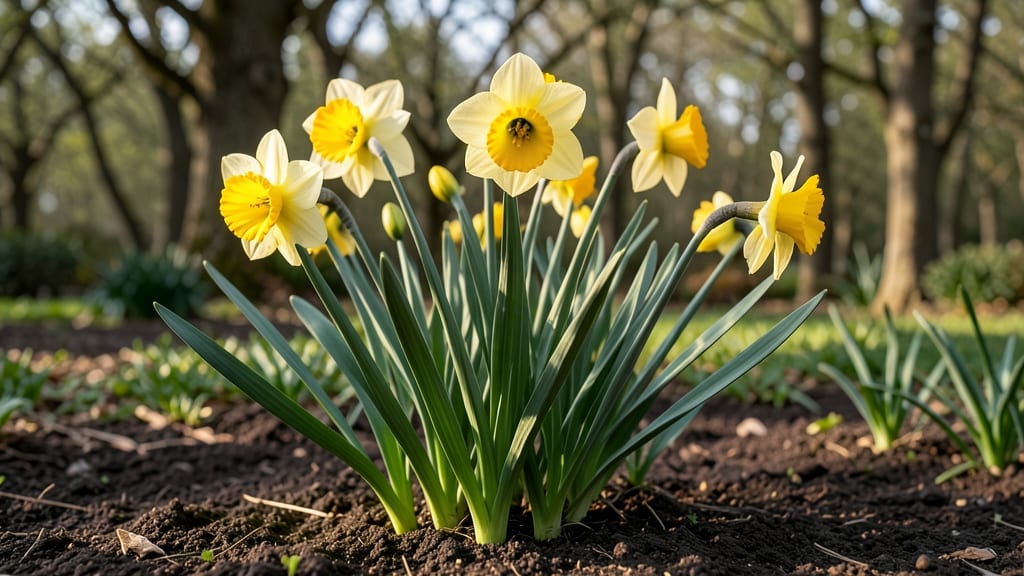
Daffodils in Michigan typically bloom between late March and early May, with the exact timing depending on your zone and the variety you choose.
Michigan gardeners eagerly await the first signs of spring—and nothing signals its arrival quite like vibrant 🌼 daffodils pushing through the snow. But timing is everything, especially in Zones 5-6 where unpredictable frosts can threaten early blooms.
If you’ve ever planted bulbs in fall only to see them bloom too early or not at all, you know how critical it is to match your variety to Michigan’s climate.
The Upper Peninsula’s cooler temps may delay blooms by weeks compared to southern Michigan, where warmer microclimates push daffodils into bloom sooner.
In this guide, I’ll break down the month-by-month bloom window for Michigan, share how to adjust planting for reliable blooms, and recommend the best varieties to stretch your spring color from March through May.
Michigan daffodil bloom timeline: month-by-month expectations for Zones 5-6
Michigan’s daffodil bloom season spans from early March to late May, but the exact timing depends on variety selection, regional microclimates, and whether winter arrives early or late.
In the Lower Peninsula, blooms often kick off 1-2 weeks earlier than in the Upper Peninsula due to warmer temperatures and longer frost-free periods. Understanding these patterns helps you choose bulbs that align with your garden’s first frost dates and extend your spring color show.
Early bloomers like ‘Ice Follies’ and ‘Tête-à-Tête’ push through snow as early as mid-March in southern Michigan, while late varieties such as ‘Thalia’ or ‘Carlton’ may not peak until late April or early May.
The Upper Peninsula’s colder climate (Zone 5b) can delay blooms by up to 3 weeks compared to the Lower Peninsula’s Zone 6a. Even a 10°F temperature swing in late winter can shift bloom times by 7-10 days.
Here’s how to use this timeline to plan your garden. The table below breaks down average bloom windows by variety type, regional adjustments, and frost risk factors.
Pay special attention to the “Last Frost Date” column—planting too early in cold years can leave bulbs vulnerable to late-season freezes, while waiting too long risks missing the optimal 6-week chilling period daffodils need.
| Variety Type | Bloom Window (Lower Peninsula) | Bloom Window (Upper Peninsula) | Last Frost Risk | Adjustment Tip |
|---|---|---|---|---|
| Early Varieties (e.g., 'Ice Follies', 'Tête-à-Tête') | Mid-March to early April | Late March to mid-April | High (late freezes common) | Plant in well-drained soil to prevent bulb rot. |
| Mid-Season (e.g., 'Minnow', 'Dutch Master') | Late March to mid-April | Early to mid-April | Moderate (varies yearly) | Mulch with 3 inches of straw after planting. |
| Late Varieties (e.g., 'Thalia', 'Carlton') | Late April to early May | Mid-April to late April | Low (after last frost) | Add bone meal at planting for stronger stems. |
| Poeticus (e.g., 'Papillon', 'Actaea') | Early April to mid-April | Mid-April to late April | Moderate (fragile blooms) | Stake tall varieties to prevent wind damage. |
If Michigan’s winter arrives earlier than average (before November 15), daffodil bulbs may not get enough chilling time, delaying blooms by up to 2 weeks. To compensate, plant early varieties in sheltered microclimates, like near south-facing walls or under deciduous trees that lose leaves in winter.
Conversely, if winter is mild and short, bulbs planted in Zone 6a may bloom 2-3 weeks early, so mix in late varieties to stagger your display.
For the Upper Peninsula, where Zone 5b conditions dominate, focus on hardy cultivars like ‘Dutch Master’ or ‘Salome’—these tolerate colder soils and still deliver vibrant blooms. In contrast, Lower Peninsula gardeners can experiment with taller varieties like ‘Ice Follies’ or ‘Carlton’, which thrive in the longer growing season.
Always check your local USDA Zone map and adjust planting dates accordingly.
Another critical factor is soil temperature. Daffodils begin growing when soil reaches 40°F, typically in late February to early March in southern Michigan. In the north, this can stretch into March or even April.
Use a soil thermometer to monitor conditions—planting too early in cold soil can stunt root growth and reduce bloom size. Aim to plant bulbs when soil temps are consistently 50°F or above for at least 3 days.
Once blooms appear, protect them from late frosts (which can occur until mid-May in some areas) by choosing low-growing varieties or providing temporary frost cloth covers. After flowering, never cut back foliage until it
How to time your daffodil planting for Michigan’s climate: pro tips for reliable blooms
Michigan’s unpredictable frost dates can make daffodil planting tricky, but mastering the timing ensures vibrant blooms just as winter loosens its grip. The key lies in understanding soil temperature triggers and aligning planting windows with your region’s 30-day frost-free window.
In Zones 5-6, most gardeners plant in fall (September-November), but early spring planting also works for late varieties.
Fall planting gives bulbs time to establish roots before winter, while spring planting (February-March) suits late-blooming varieties or forgotten bulbs. The ideal soil temperature for planting is between 40°F and 50°F—cooler than most gardeners realize.
Use a soil thermometer to check before digging, especially in northern Michigan where ground freezes earlier.
For reliable blooms, focus on soil prep and bulb care. Amend your garden beds with compost or aged manure to improve drainage, and plant bulbs 6 inches deep and 4-6 inches apart.
Mulch heavily after planting to insulate bulbs from temperature swings and protect against early spring frosts.
- 1. Plant in fall (Sept-Nov) when soil temps drop to 50°F or below. This gives roots time to establish before winter.
- 2. Use early varieties like ‘Ice Follies’ (March blooms) for northern Michigan to avoid frost damage.
- 3. Spring plant in Feb-March for late bloomers (e.g., ‘Thalia’) if you missed fall planting.
- 4. Mulch 3-4 inches thick after planting to protect bulbs from temperature fluctuations and early frosts.
- 5. Water deeply after planting and again in spring when shoots emerge to encourage strong growth.
To extend bloom duration, choose a mix of early, mid, and late varieties. For example, ‘Tête-à-Tête’ (dwarf, April blooms) pairs well with ‘Gladiator’ (tall, May blooms) for a staggered display. After blooming, leave foliage until it yellows naturally—this feeds the bulb for next year’s flowers.
In southern Michigan, you may see blooms as early as late March, while northern gardens typically wait until mid-April.
Pro tip: Mark your planting dates and track bloom times each year to adjust for climate shifts. If you notice blooms arriving earlier, shift to later varieties or plant in cooler microclimates (e.g., near north-facing walls). With the right timing, your daffodils will greet spring like clockwork—year after year.
Remember, patience pays off with daffodils. The first year may be modest, but well-cared-for bulbs multiply and produce show-stopping displays by year three. Happy planting! 🌼