
Blooming
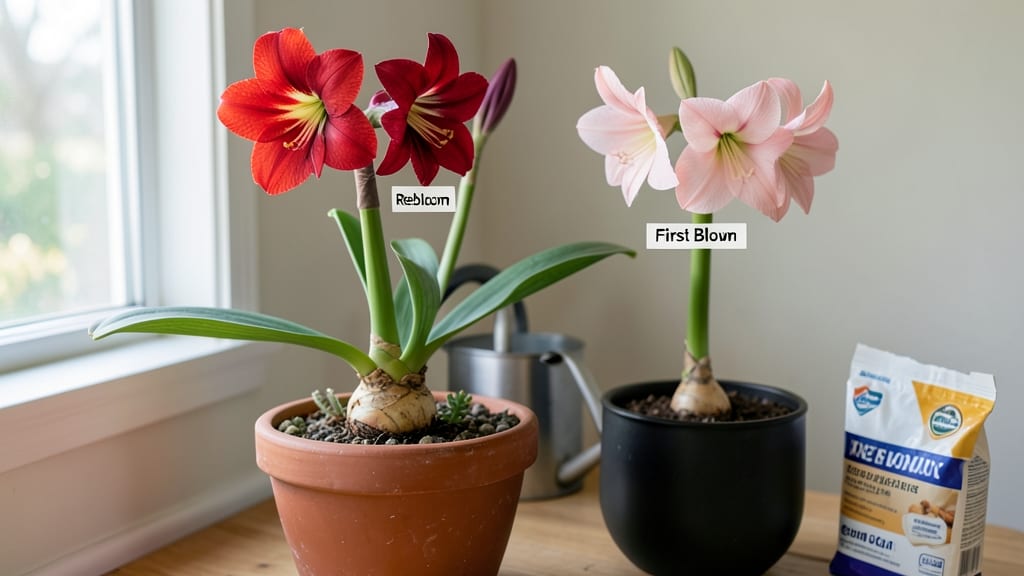
Amaryllis bulbs do bloom more than once when you provide the right conditions, including precise light control during their rest period and regular nutrient support. Certain hybrids, like Amaryllis belladonna, often produce flowers annually with proper care, while others may need 2-3 years of dormancy before reblooming.
Amaryllis blooming isn't just luck—it's a carefully timed process. 🌱 The key lies in their dormancy phase, where 12+ weeks of darkness mimics winter conditions, signaling the bulb to store energy for next year's flowers. Without this rest, the plant may skip blooming entirely.
I've seen growers use blackout boxes or move plants to dark basements during this period, which is especially critical for indoor-grown amaryllis that miss natural seasonal cues.
What's fascinating is how temperature plays a role—keeping bulbs cool (55–65°F) during dormancy helps prevent premature budding. Some growers even refrigerate bulbs for 8 weeks to ensure a strong rebloom.
Once you reintroduce light and warmth, consistent feeding with a high-phosphorus fertilizer (like 10-30-20) gives the plant the energy it needs to produce those stunning blooms again.
💡 In This Article
- Light and Dormancy Requirements for Repeat Amaryllis Blooms
- Best Amaryllis Varieties for Frequent Blooming and Care Tips
Light and dormancy requirements for repeat amaryllis blooms
Amaryllis bulbs rely on a process called photoperiodism—their internal clock responds to light exposure. During the 12+ week dormancy phase, complete darkness mimics winter conditions, triggering the bulb to conserve energy and store nutrients for future blooms.
This is why indoor growers often use blackout boxes or move plants to dark closets during this period. Without this darkness, the bulb may skip dormancy entirely and fail to produce flowers the next season.
The temperature range of 55–65°F during dormancy is equally critical. Cooler temps slow metabolic processes, preventing premature budding while allowing the bulb to fully recharge.
Some growers take this further by refrigerating bulbs at 40–50°F for 6–8 weeks—this mimics natural winter conditions and often results in stronger, more abundant blooms.
Artificial light exposure during dormancy can disrupt this cycle, as even 1 hour of light per day can trick the bulb into thinking it's spring.
Once dormancy ends, reintroducing light and warmth signals the bulb to resume growth. At this stage, providing 12–14 hours of indirect sunlight daily supports healthy foliage development. The key is balance—too much direct light can stress the plant, while too little weakens the bulb's ability to produce flowers.
I've found that east-facing windows or grow lights positioned 12–18 inches away create ideal conditions for reblooming amaryllis.
Forced reblooming methods, like those used by commercial growers, involve strict control over light and temperature cycles. Some varieties, such as Amaryllis belladonna, naturally rebloom annually with proper care, while others like Hippeastrum hybrids may need 2–3 years of dormancy before producing flowers again.
The science behind this is fascinating—it's all about breaking the bulb's natural rhythm while providing just enough energy to encourage reblooming.
One common mistake growers make is skipping dormancy entirely. Without this rest period, the bulb becomes exhausted and may produce fewer or no flowers. Think of it like a marathon runner needing recovery time—without it, performance suffers.
By mimicking natural seasonal changes, you're essentially giving your amaryllis the perfect conditions to perform at its best year after year. 🌟