
Blooming
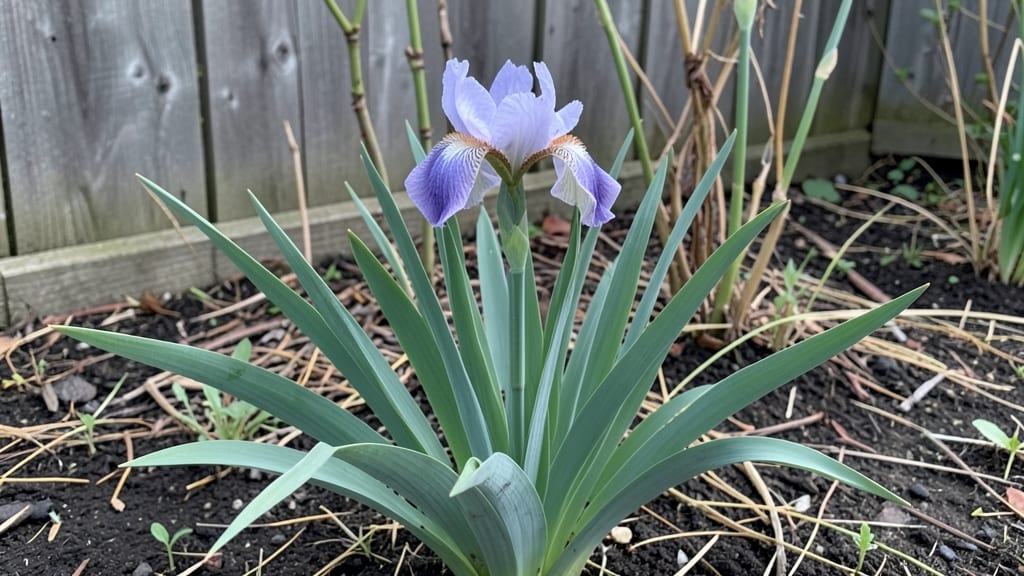
Walking iris blooms typically appear in late spring to early summer, producing striking lavender, white, or blue flowers along their arching stems. Proper sunlight, well-drained soil, and consistent moisture encourage vibrant blooms, while dividing clumps every 3-4 years maintains healthy growth.
These perennials thrive when they get the right balance of warmth and sunlight—think of them as the garden's delicate barometer for spring's arrival. 🌸 The key is patience: their blooms often peak after the last frost when temperatures settle into that sweet 55-75°F range, and they need at least 12 hours of daylight to trigger those signature flower spikes.
I’ve found that well-timed division in early fall actually boosts next year’s blooms by preventing overcrowded rhizomes, which compete for nutrients.
💡 In This Article
- Understanding Walking Iris Bloom Timing and Triggers
- Step-by-Step Guide to Maximizing Walking Iris Flower Production
Understanding walking iris bloom timing and triggers
Here's what's actually happening beneath the soil: walking iris blooms are triggered by a perfect storm of environmental cues. The plant enters its flowering phase when daytime temperatures consistently reach between 55°F and 75°F, with nights staying above 50°F.
This temperature range signals the plant that winter's threat has passed and it's safe to invest energy in flower production. The 12+ hours of daylight during late spring creates the photoperiod necessary for bud formation, similar to how daylight triggers flowering in many perennials.
The rhizomes (thick underground stems) store energy throughout winter, and when spring arrives, they begin converting starches into sugars to fuel bloom development.
What most people don't realize is that walking iris roots are particularly sensitive to soil oxygen levels - they need well-drained soil to prevent rot, which would starve the plant of the nutrients it needs for flowering.
The rhizomes also require a period of winter dormancy to reset their biological clock, which is why planting in fall gives them time to establish roots before spring's bloom trigger arrives.
Nutrient availability plays a crucial role too. Walking iris plants are heavy feeders, particularly needing phosphorus (the middle number in NPK ratios) to support robust flower spikes. When phosphorus levels drop below 0.1% in the soil, you'll often see fewer blooms or weaker stems.
The plant's natural growth cycle also includes a post-bloom rest period where it focuses on building rhizome reserves for next year's flowers - this is why cutting back foliage after blooming isn't just cosmetic, but essential for next season's performance.
Seasonal transitions create another layer of complexity. The spring thaw brings moisture that wakes dormant rhizomes, while summer's warmth maintains active growth. However, too much heat above 85°F can stress the plant, causing it to divert energy to survival rather than flowering.
This is why walking iris often bloom more prolifically in cooler coastal climates than in hot inland regions. The plant's native habitat in woodlands and meadows gives us clues about its ideal conditions - partial shade in summer and full sun for winter dormancy preparation.
One fascinating mechanism is how the plant's flowering hormones respond to these cues. When temperatures and daylight meet the right thresholds, the rhizomes produce more florigen - a flowering hormone that travels through the plant's vascular system to trigger bud formation.
This process is particularly sensitive to light quality, with blue light wavelengths (around 450nm) playing a key role in signaling the plant to flower. That's why morning sun is often more beneficial than intense afternoon heat for these perennials.
What most gardeners overlook is how soil pH affects nutrient availability during this critical period. Walking iris prefer slightly acidic to neutral soil (pH 6.0-7.0), where phosphorus becomes more soluble and available for uptake.
In alkaline soils, phosphorus binds tightly to minerals, becoming unavailable to the plant - this can result in lush foliage but poor flowering, even when all other conditions seem ideal. Testing your soil in early spring gives you time to amend it before the bloom trigger period begins.
Here's the takeaway: walking iris blooms are nature's perfect balance between winter preparation and spring opportunity. By understanding these botanical triggers - temperature thresholds, daylight hours, root energy reserves, and nutrient availability - you can create ideal conditions that encourage those signature arching stems to appear year after year. 🌿