
Blooming
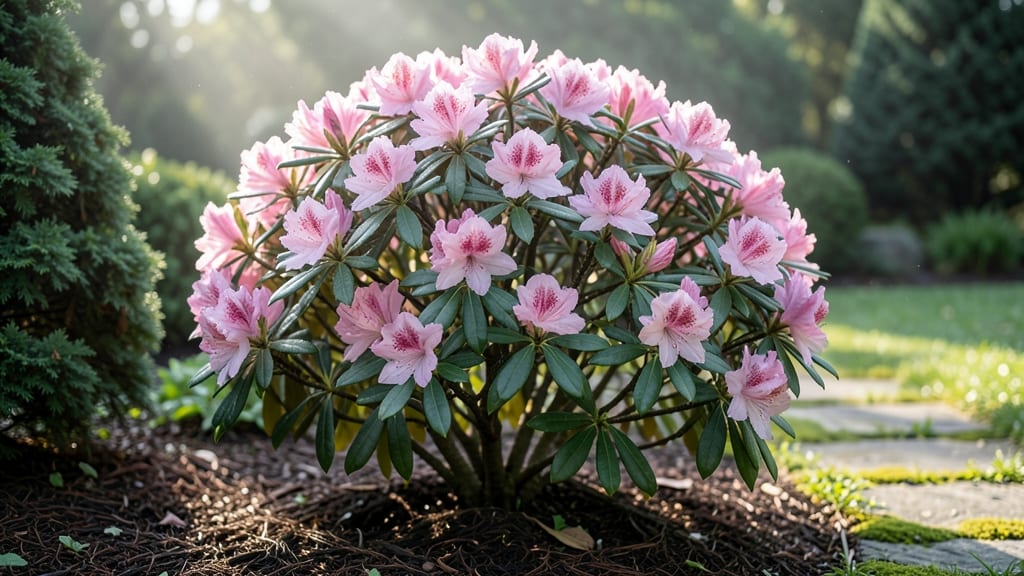
Double pink azaleas don’t just bloom—they throw a showstopping azalea bloom a thon every spring that makes your garden the envy of the neighborhood. 🌸 The secret to making these vibrant clusters shine lies in how you stage them, whether tucked into borders, spilling from containers, or paired with the right companions.
I learned the hard way that planting them alone makes them look like afterthoughts. Instead, try grouping them with silver-leafed plants like lamb's ear or dusty miller to make those pink blooms pop against a frosty backdrop.
Or pair them with deep green hostas to create a lush, romantic contrast that feels like a garden designer did it.
What you'll end up with is a seasonal centerpiece that transforms your yard from ordinary to extraordinary. The blooms last for weeks, and with the right placement, they'll draw everyone's attention—even the neighbors who "don't care about gardens."
Works for small urban spaces, large landscapes, or even as dramatic container specimens. Let's make those double pinks the star of your garden!
📚 In This Guide
- What you need
- Instructions
- Tips and common mistakes
- Wrapping up and next steps
What you need
- ● Azalea plants: Select Rhododendron varieties known for double pink blooms (e.g., 'Double Pink Diamond' or 'Pink Pearl'). Choose 3-5 mature plants (3-5 years old) for optimal blooming.
- ● Well-draining acidic soil: Aim for a pH of 4.5–6.0. Mix 2 parts peat moss or pine bark with 1 part perlite for ideal texture.
- ● Organic mulch: 3–4 inches of pine bark or pine needles to retain moisture and acidity.
- ● Slow-release fertilizer: Use a balanced, acid-loving plant fertilizer (e.g., 10-10-10 or 8-3-9) with micronutrients like iron and magnesium.
- ● Watering can or hose with a gentle spray nozzle: Azaleas prefer consistent moisture—avoid overhead watering to prevent fungal issues.
- ● Pruning shears: Sharp, clean shears (sterilized with rubbing alcohol) for shaping and deadheading.
- ● Garden gloves: Protect your hands from thorns and soil acids.
- ○ pH testing kit: Monitor soil acidity regularly (optional but helpful for troubleshooting).
- ○ Epsom salt (magnesium sulfate): 1 tbsp per gallon of water monthly for vibrant blooms (optional boost).
- ● Decorative stakes or trellis: For larger varieties, provide support if needed.
- ● Slow-release granules or spikes: For convenience, use azalea-specific spikes (e.g., Osmocote or Miracle-Gro Azalea).
- ● Drip irrigation system: Automate watering for consistency (great for larger gardens).
Step-by-Step guide to coaxing stunning double pink azalea blooms
Here’s how I get my azaleas to burst with those showstopping double pink clusters every spring.
🌱 Step 1: Choose the Right Location for Year-Round Success
Azaleas thrive in partial shade—think morning sun with afternoon shade—especially in hot climates. I plant mine where they get 3-4 hours of direct sun but avoid the harsh afternoon rays that can scorch petals. The soil should stay slightly acidic (pH 4.5-6.0)—test it with a kit if unsure, because alkaline soil locks out nutrients and dulls blooms.
If your yard is too sunny, position them near a north-facing wall or under deciduous trees that provide dappled shade in summer. I’ve seen azaleas in full sun wilt by midday, so don’t rush this step—bloom quality depends on it.
☀️ Step 2: Feed and Water for Peak Bloom Production
Start feeding in early spring with an azalea-specific fertilizer (high in phosphorus for blooms) every 4-6 weeks until buds form. I mix mine with composted pine needles to maintain acidity—never use regular garden soil or compost, which raises pH. Water deeply 2-3 times per week during active growth, letting the soil dry slightly between waterings.
Watch for yellowing leaves—this usually means overwatering or nutrient deficiency. Azaleas hate soggy roots, so ensure pots or beds have good drainage. Mulch with 2-3 inches of pine bark to retain moisture and acidity while suppressing weeds.
✂️ Step 3: Prune Strategically for Bigger, Fuller Clusters
Prune right after blooming (late spring) to shape the plant and encourage next year’s flowers. Cut back overly long stems by ⅓ to promote bushier growth, but never remove more than 25% of the plant at once. I avoid heavy pruning in fall or winter—it stresses the plant when it’s dormant.
Remove dead or crossing branches first, then thin out crowded stems to improve airflow. This prevents fungal diseases that dull petals. If your azalea blooms sparsely, prune just the tips of old wood to stimulate new growth—double pink varieties respond well to light pruning.
🌿 Step 4: Protect Blooms from Pests and Weather
Watch for lace bugs or spider mites, which suck sap and cause stippling on leaves. I spray with neem oil at the first sign of damage—it’s gentle but effective. For weather, cover plants with frost cloth if temperatures dip below 25°F, as cold snaps can damage buds.
Deadhead spent blooms only after they’ve faded naturally—this lets seed pods form, which some gardeners prefer for wildlife. But if you want more flowers, trim them back as soon as they drop. Avoid heavy pruning now; focus on light maintenance until next spring.
⏰ Step 5: Overwinter for Next Year’s Spectacular Display
In fall, reduce watering as growth slows, but keep soil slightly moist—never let it dry out completely. Apply a thick layer of mulch (3-4 inches) to insulate roots. I also wrap young plants with burlap if winters are harsh, as azaleas are tender in cold climates.
Come spring, remove mulch once new growth appears (usually in March or April, depending on your zone). This signals the plant to wake up and focus energy on blooming. With consistent care, your double pink azaleas will reward you with vibrant, long-lasting clusters year after year.
Tips & tricks for perfect double pink azalea blooms
These simple yet game-changing tips will help you transform your azaleas into vibrant, showstopping blooms that rival the pros.
Lighting Secrets: In Step 1, when positioning your azaleas for that perfect 3-4 hours of morning sun, pay attention to how the sunlight shifts throughout the day. If your yard has afternoon shade from nearby trees, that's ideal—but if not, a sheer curtain or lattice screen can diffuse harsh afternoon rays. I've seen azaleas in full sun develop sunburned leaves that turn brown and crispy, so this adjustment makes all the difference for those delicate double pink blooms.
Fertilizer Timing: The 4-6 week feeding schedule in Step 2 is crucial, but I've found that applying fertilizer right after a deep watering helps the roots absorb nutrients more efficiently. Think of it like giving your azaleas a drink before their meal. Also, if you notice new growth slowing down between feedings, that's your cue to add a little extra fertilizer—just don't exceed the recommended amounts.
Pruning Precision: When you're pruning those overly long stems by ⅓ in Step 3, focus on cutting just above a leaf node or bud. This is where new growth will emerge. I like to make my cuts at a 45-degree angle to prevent water from pooling on the cut surface, which could lead to rot. And remember, those double pink varieties respond beautifully to light pruning, so don't be afraid to shape them—it encourages even more spectacular blooms next season.
Winter Protection: That 3-4 inch layer of mulch in Step 5 is your azalea's winter blanket. I've learned the hard way that removing mulch too early in spring can shock the plant. Wait until you see those first tender green leaves pushing through the soil—usually around March or April depending on your zone—before pulling it back. This gradual transition helps your azaleas wake up gently and focus their energy on producing those stunning double pink clusters.
Pro Tips for Azalea Bloom A Thon Double Pink
- These simple yet game-changing tips will help you transform your azaleas into vibrant, showstopping blooms that rival...
- Lighting Secrets: In Step 1, when positioning your azaleas for that perfect 3-4 hours of morning sun, pay attention t...
- Fertilizer Timing: The 4-6 week feeding schedule in Step 2 is crucial, but I've found that applying fertilizer right ...
Frequently asked questions
When is the best time to plant Azalea Bloom-A-Thon Double Pink for peak blooms?
The ideal planting window is early spring or fall (3–4 weeks before the first frost). This gives roots time to establish before summer heat or winter cold stress. If you’re in a mild climate, late winter works too—just avoid planting when temps are below 40°F (4°C) or above 85°F (29°C).
Why aren’t my Azalea Bloom-A-Thon Double Pink flowers opening fully?
Double blooms can struggle to open wide due to humidity, genetics, or overcrowding. Try these fixes:
- Mist blooms daily in dry spells to encourage fullness.
- Prune competing branches to improve airflow.
- Ensure 6+ hours of morning sun (they tolerate afternoon shade).
If buds drop before opening, overwatering or poor drainage may be the culprit—check your soil!
How long does it take for Azalea Bloom-A-Thon Double Pink to bloom after planting?
Patience is key! Expect 2–3 years for mature blooms post-planting. Young plants (1–2 years old) may produce smaller, fewer flowers. Boost blooms by:
- Fertilizing in early spring with an acid-loving plant formula (like 8-3-9).
- Avoiding heavy pruning until after flowering.
Pro tip: Deadhead spent blooms to encourage a second flush!
Can I grow Azalea Bloom-A-Thon Double Pink in a container? What’s the best pot size?
Containers are great for urban gardens. Choose a 15–20 gallon pot with drainage holes, and use a peat-based, acidic mix (pH 4.5–6.0). Repot every 2–3 years to refresh soil. Warning: Containerized azaleas dry out faster—water when the top 1–2 inches of soil feel dry.
What pests or diseases should I watch for with double pink azaleas?
Common threats include:
- Lace bugs (silver speckles on leaves) – Treat with neem oil.
- Root rot (yellow leaves, foul smell) – Improve drainage and reduce watering.
- Powdery mildew (white dust on blooms) – Spray with baking soda solution (1 tsp baking soda + 1 quart water).
Prevent issues by mulching with pine bark and avoiding overhead watering!
Wrapping up and next steps
The Azalea Bloom-A-Thon Double Pink is a stunning showstopper that brings bursts of color and life to any garden! With its vibrant clusters and resilience, this variety proves that beauty and ease go hand in hand.
Whether you're a seasoned gardener or just starting, these azaleas offer a rewarding experience with minimal fuss.
Ready to bloom with confidence? 🌸 Start by selecting your perfect spot, gathering your tools, and diving in—your garden (and neighbors!) will thank you. Happy planting!