
How To
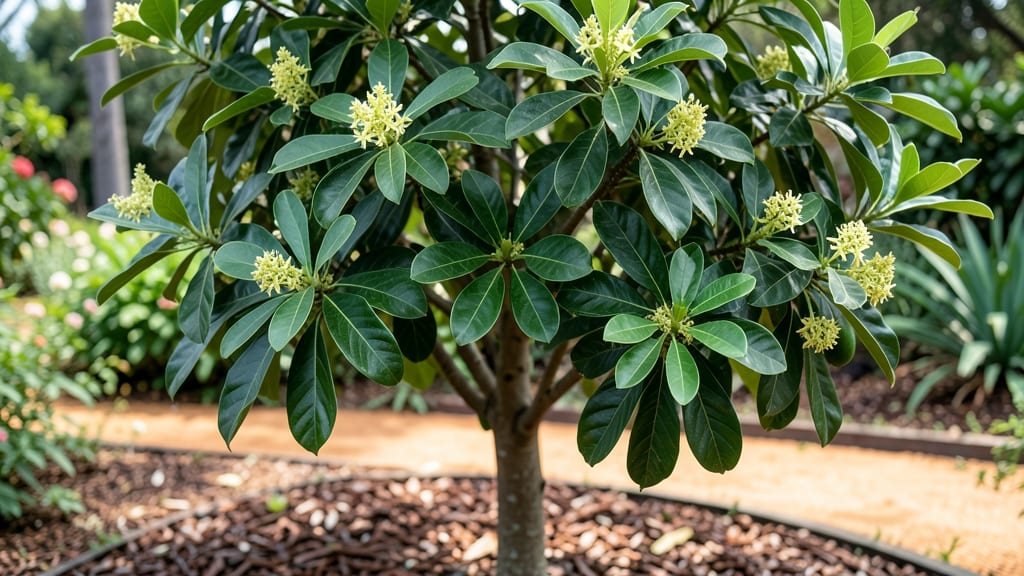
The time from avocado bloom to fruit production ranges from 6 to 12 months, with Hass varieties typically needing 9-12 months and faster-maturing types like Fuerte or Reed producing fruit in 6-9 months under optimal growing conditions.
Understanding this timeline helps gardeners plan better, as factors like temperature fluctuations and pollination success can shorten or lengthen the process. 🌱 For example, coastal California climates often accelerate fruiting by 1-2 months compared to inland areas with hotter summers.
The key difference between varieties lies in their genetic growth rates—Hass trees prioritize fruit quality over speed, while Fuerte trees focus on earlier productivity.
What many growers don't realize is that even after blooming, only about 5-10% of flowers will successfully develop into fruit. This is why professional growers often hand-pollinate their trees—it dramatically increases your chances of seeing those first harvestable avocados within the expected timeframe.
💡 In This Article
- Avocado Tree Pollination and Flower Development Stages
- Variety-Specific Avocado Fruit Timeline: From Bloom to Harvest
Avocado tree pollination and flower development stages
Avocado trees have a fascinating dual-flowering system called the A/B type, where individual trees produce either Type A or Type B flowers. Type A flowers open in the morning and close by afternoon, while Type B flowers open in the late afternoon and close by evening.
This timing ensures cross-pollination between different trees, as bees and other pollinators visit each type during their specific windows. Without proper cross-pollination, up to 90% of blooms may fail to set fruit, even if they appear healthy.
The pollination process itself is delicate—avocado flowers contain both male and female parts, but they require physical contact from pollinators to transfer pollen effectively. 🌸 Temperatures between 55-75°F are ideal for pollinator activity, while extreme heat (90°F+) or cold (45°F-) can reduce pollination success by 30-50%.
This is why coastal climates (like those in California's Zone 9) often outperform inland areas, where summer heat can disrupt the delicate timing of flower opening and pollinator visits.
After successful pollination, the flower's ovary begins developing into a fruit within 7-14 days, but this tiny fruitlet often drops prematurely if the tree isn't receiving adequate water or nutrients. The critical stage occurs at 4-6 weeks post-pollination, when the fruitlet must establish proper vascular connections to the tree.
During this phase, consistent moisture (keeping soil at 60-70% field capacity) is essential—drought stress at this point can cause fruit drop rates to exceed 50%.
What many growers overlook is the role of ethylene gas in fruit development. As the fruit matures, it produces ethylene, which triggers the tree to allocate more resources to fruit growth rather than leaf production.
This hormonal shift typically occurs at 3-4 months after pollination, which is why you'll often see a noticeable slowdown in new leaf growth during this period. The tree essentially "chooses" between growing more leaves or developing fruit, and proper pollination ensures the fruit wins this competition.
Environmental stressors like sudden temperature swings or high winds can also disrupt this process. For example, a late spring frost (28°F) can kill newly formed fruitlets, while strong winds may physically damage flowers before pollination occurs.
This explains why professional growers often use windbreaks and microclimate management techniques to protect their trees during these vulnerable stages. 🌿
Interestingly, avocado trees have a built-in quality control mechanism: they'll often drop underdeveloped fruit to conserve energy for healthier specimens. This natural pruning occurs around 5-7 months after pollination, which is why you might see a sudden drop in fruit count even when the tree appears healthy.
This process ensures that only the most vigorous fruit will reach maturity, typically between 9-12 months** for Hass varieties.