
Blooming
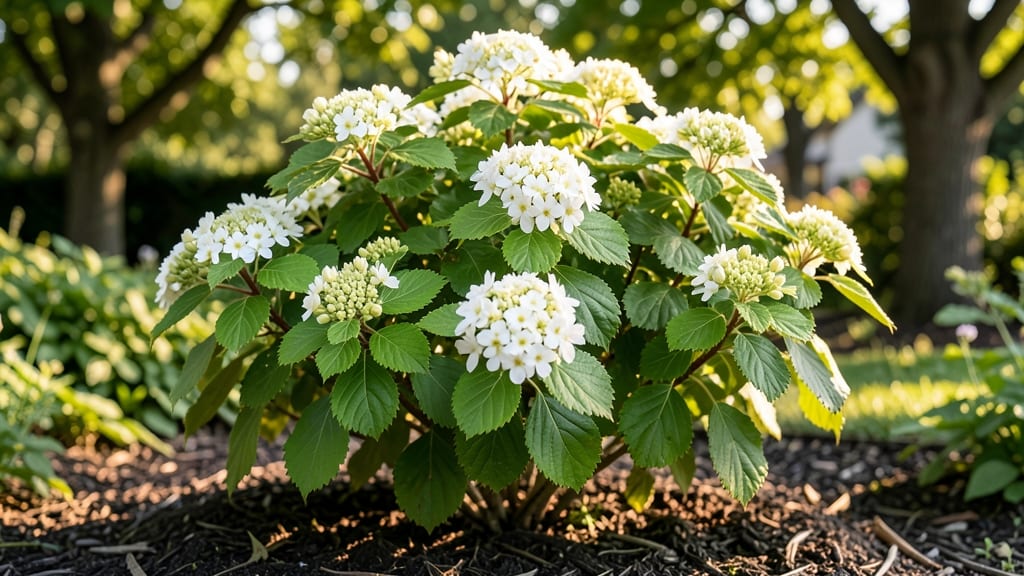
Your viburnum’s bloom time depends on chill hours—those cold winter nights that signal the plant it’s time to burst into fragrant spring flowers 🌸.
Wondering why your viburnum shrubs sometimes burst into stunning blooms while others stay bare? The secret lies in chill hours—a critical factor that determines when (and if) these prized plants will dazzle your garden in spring.
Most viburnums need 500–1,000 hours below 45°F to trigger blooms, but some varieties thrive with far less. If your plant skips flowering, it might not be getting enough winter chill—or the right care to support strong buds.
In this guide, I’ll break down how chill hours work, which viburnum varieties bloom early or late, and simple tricks to encourage healthier, more reliable blooms every season.
What are chill hours and how do they affect viburnum bloom time?
If your viburnum shrubs have ever disappointed with sparse blooms or failed to flower at all, chill hours might be the culprit. These are the cumulative hours your plant spends in dormancy temperatures (0–45°F/4–7°C)—a biological trigger that tells viburnums when to burst into color.
Without enough, they simply won’t bloom, no matter how well you care for them otherwise.
Think of chill hours like a countdown timer for your viburnum. Each species has a specific threshold—some need 300 hours of cold, while others demand 1,000+ hours. If your local winter doesn’t meet these requirements, your shrub might produce leaves but skip the showstopping flowers entirely.
This explains why the same viburnum variety thrives in Zone 5 but struggles in Zone 8.
| Viburnum Species | Chill Hours Needed | Bloom Time | Hardiness Zone |
|---|---|---|---|
| Viburnum bodnantense (Winter Beauty) | 300–500 hours | Late winter (Jan–Feb) | 5–9 |
| Viburnum plicatum (Japanese Snowball) | 800–1,200 hours | Spring (Apr–May) | 5–8 |
| Viburnum dentatum (Arrowwood) | 500–700 hours | Late spring (May–June) | 3–9 |
| Viburnum x burkwoodii (Burkwood) | 500–800 hours | Early spring (Mar–Apr) | 4–9 |
| Viburnum suspensum (Witch Hazel Viburnum) | 300–500 hours | Early spring (Mar) | 6–9 |
Chill hours vary by region—verify your local climate data for accuracy.
The science behind chill hours is fascinating. When viburnums experience prolonged cold exposure, their buds release hormones that break dormancy. Without this trigger, the plant stays in a limbo state—growing leaves but not flowers.
For example, Viburnum bodnantense blooms in late winter because it only needs 300–500 chill hours, while Viburnum plicatum waits for spring because it demands 800–1,200 hours of cold.
To calculate your local chill hours, check your USDA Hardiness Zone and use tools like the National Oceanic and Atmospheric Administration (NOAA) chill hour calculator. Plug in your ZIP code, and it’ll estimate how many hours your area typically spends below 45°F (7°C) during winter.
For instance, Seattle (Zone 8) averages 500–700 chill hours, while Chicago (Zone 5) hits 1,200+ hours—explaining why some viburnums thrive in one city but fail in another.
If you’re in a warmer climate (e.g., Zone 9–10) where natural chill hours are scarce, don’t despair. You can still grow viburnums by choosing low-chill varieties like Viburnum suspensum or using supplemental chilling methods, such as placing potted viburnums in a cold frame during winter.
Even a few extra weeks of 40°F (4°C) nights can make a difference.
Pro tip: Pay attention to your viburnum’s bud development in late winter. If buds swell but never open, it’s a sign of insufficient chill hours. In contrast, if buds form but drop before flowering, your plant might be stressed from heat or drought after accumulating enough cold.
Both issues can be fixed with the right adjustments!
Understanding chill hours isn’t just about troubleshooting—it’s about planning your garden. If you dream of a springtime viburnum spectacle, choose varieties that match your climate. For early blooms, opt for Viburnum bodnantense; for late-spring drama, go for Viburnum plicatum*.
With the right match, your shrubs will reward you with months of fragrant, show-stopping flowers—starting with that first pink bud swell in late winter.
Next time you’re scrolling through viburnum varieties, glance at the chill hour requirement before you buy. It’s the secret ingredient that turns a good shrub into a garden superstar. 🌸
5 Signs your viburnum isn’t getting enough chill hours (and how to fix it)
If your viburnum shrubs are putting out leaves but barely any flowers, chill hour deprivation might be the culprit. These ornamental shrubs rely on cold winter temperatures to trigger their spring blooms.
Without enough 0–45°F (4–7°C) exposure, they’ll focus energy on foliage instead of flowers. The good news? You can often restore bloom potential with simple adjustments.
First, check your local chill hour totals—most viburnums need 500–1,000 hours annually. Warmer climates (Zones 7–9) often fall short, leaving plants confused about when to bloom. Even in colder regions, urban heat islands or microclimates near buildings can reduce chill hours by 20–30%.
Recognizing the signs early lets you intervene before next spring arrives.
For low-chill viburnums like Viburnum suspensum or Viburnum bodnantense, consider supplemental chilling methods. Place potted viburnums in an unheated garage or cold frame during winter for 300–500 hours below 45°F. This mimics natural chill exposure and can restore bloom cycles in just one season.
For permanent fixes, choose heat-tolerant varieties like Viburnum odoratissimum, which thrives with as few as 200 chill hours.
Another quick fix is pruning adjustments. Over-pruning in late winter removes next year’s flower buds, which form in late summer. Instead, prune right after blooming to preserve bud development.
Combine this with a thick mulch layer (3–4 inches) of shredded bark to protect roots from temperature fluctuations and improve soil chill retention.
If your viburnum still refuses to bloom, test your microclimate. Use a minimum-maximum thermometer near the plant for a month to track nighttime lows. If temperatures stay above 45°F (7°C) for weeks, consider relocating the plant to a north-facing wall or shadier spot where cold air pools longer.
Even a 10°F difference can mean the difference between blooms and bare branches.
Remember, patience is key—viburnums may take 2–3 years to fully recover from chill hour deficits. But with the right adjustments, your shrubs will reward you with spectacular spring displays year after year. Start monitoring now, and you’ll be admiring vibrant blooms instead of wondering where they went.