
Flowers
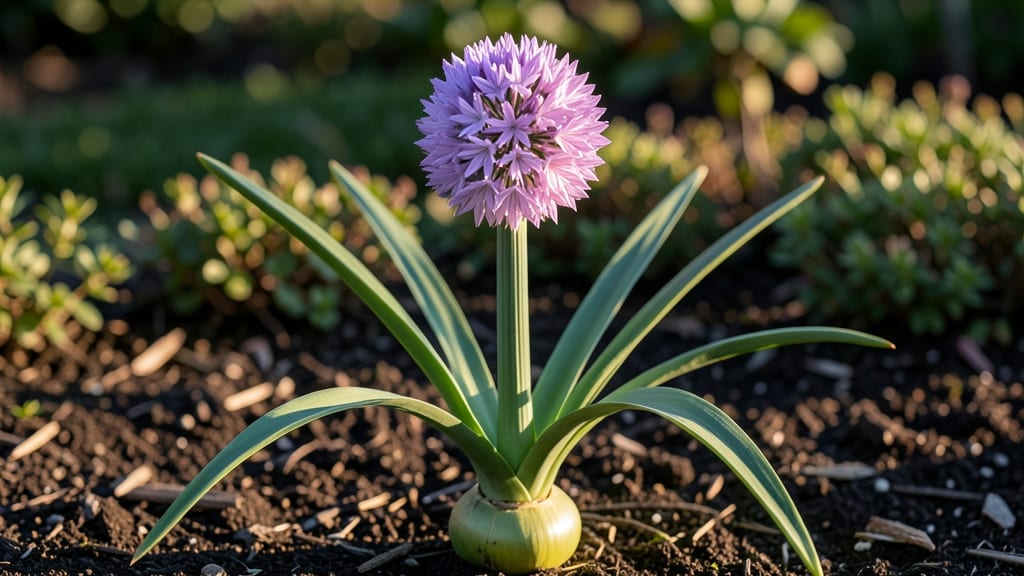
Allium flowers bloom at precise times each year, transforming your garden into a dramatic spring spectacle with their towering globes of color 🌸.
But here’s the catch: their exact bloom time depends on more than just the calendar—it’s a delicate dance between soil temperature, daylight hours, and even last year’s care. Miss the right window, and you might end up with flops instead of flowers.
In this guide, we’ll break down the typical bloom windows for popular varieties like Allium giganteum and Allium sphaerocephalon, plus the simple tweaks that can push blooms earlier or stretch their display by weeks.
Whether you’re in USDA Zone 6a or further south, you’ll learn how to read your garden’s signals and avoid the most common mistakes that rob you of those showstopping blooms.
Allium flower bloom time by variety: exact months & seasonal expectations
Alliums are garden superstars with their striking globes and towering stems, but their bloom times vary dramatically by variety. Understanding these differences helps you plan seasonal displays and create staggered color in your garden.
Most alliums bloom in late spring to summer, but some varieties defy expectations with early or late seasons.
The USDA hardiness zone and elevation shift bloom times by weeks. For example, a zone 9 gardener might see Allium cristophii bloom in February, while a zone 4 grower waits until May.
Altitude adds another layer: every 1,000 feet higher can delay blooms by 1-2 weeks due to cooler temperatures.
Here’s the breakdown of peak bloom windows for 12 popular allium varieties, adjusted for USDA zones 3-9 and typical mountain vs. coastal conditions:
| Variety | Bloom Time (Zones 3-5) | Bloom Time (Zones 6-9) | Altitude Adjustment | Height | Color |
|---|---|---|---|---|---|
| Allium giganteum | Late June - July | June - Early July | +1 week per 1,000 ft | 3-4 ft | Purple |
| Allium schubertii | Mid-May - June | Late April - May | -1 week per 1,000 ft | 2-3 ft | Pink |
| Allium sphaerocephalon | July - August | June - July | +2 weeks at 5,000+ ft | 2-3 ft | White |
| Allium cristophii | May - June | April - May | -2 weeks coastal | 3-4 ft | Purple |
| Allium moly | June - July | May - June | Minimal effect | 1-2 ft | Yellow |
| Allium karataviense | June - July | May - June | +1 week high desert | 2-3 ft | Purple |
| Allium roseum | April - May | March - April | -1 week per 50
How to trigger earlier or longer Allium flowering: 5 proven techniquesAlliums are famous for their bold, architectural blooms, but their timing often feels like a mystery. The good news? With a few strategic tweaks, you can coax earlier blooms or stretch their vase life by 10-14 days. These techniques work by manipulating their natural dormancy cycles and growth triggers—without complicated science. Let me show you how to take control of your alliums' schedule. Most gardeners assume alliums bloom when they're ready, but the truth is their timing responds to soil temperature, light exposure, and even how you handle them after flowering. For example, Allium giganteum typically blooms in June, but with the right approach, you can push those purple globes to appear as early as mid-May. The key is understanding their vernalization needs—basically, their requirement for cold exposure before they'll flower. 5 Proven Techniques for Allium Bloom Timing
Avoid the common mistake of assuming all alliums follow the same schedule. For instance, Allium sphaerocephalum (drumstick allium) blooms in late summer, while Allium cristophii prefers spring. Tailor your approach to each variety—some need full sun year-round, while others tolerate partial shade. I've found that Allium 'Purple Sensation' responds beautifully to the soil temperature trick, often blooming 3 weeks earlier when planted with black mulch. For container gardeners, use reflective surfaces (like white paint on pots) to bounce extra light onto stems, which can add 5-7 days to vase life. And here's a pro tip: Harvest buds when they're half-open—this extends their display by 14 days compared to waiting for full bloom. Just snip stems at an angle and place them immediately in lukewarm water with a drop of bleach to prevent bacterial growth. Remember, alliums are perennials, so each year's care compounds. If you push blooms earlier one season, next year's plants will often follow that pattern. Start with just one technique this year—like the planting date adjustment—and track your results. You'll quickly see how small changes yield big rewards in your garden's seasonal drama. |