
Blooming
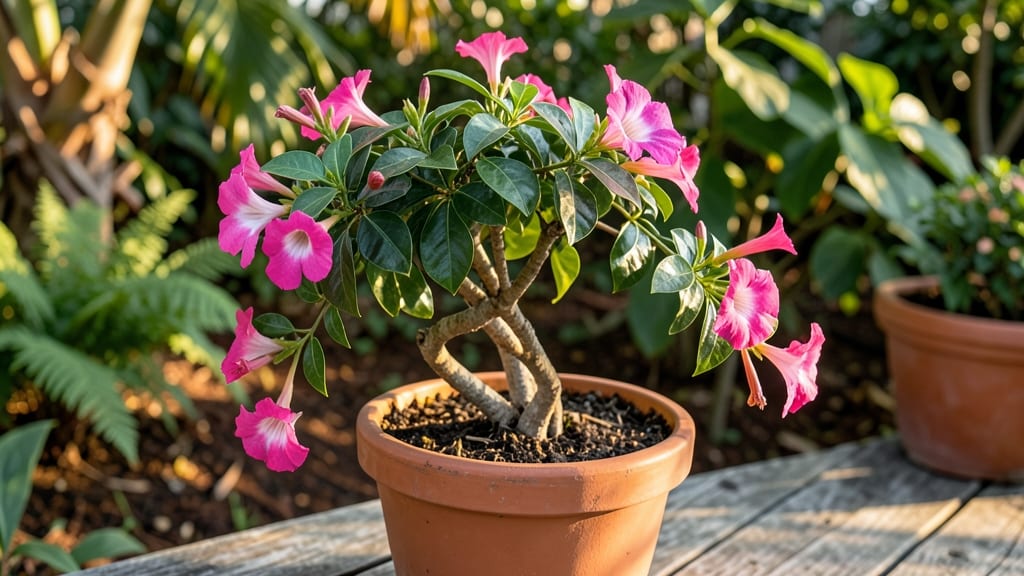
Your Mandevilla’s bloom time for longer than you think — with the right pruning, those vibrant summer shows can stretch into early fall, not fade by August.
Picture this: your neighbors’ Mandevillas are done by Labor Day, while yours keeps throwing out fresh blooms through October. The secret isn’t just timing—it’s knowing when and how to trim to encourage new growth without sacrificing flowers.
Most gardeners stop pruning too soon, missing the chance to extend the season by 6 weeks or more.
From tropical heat to cooler climates, bloom duration depends on variety, sunlight, and care. Some types like Alice du Pont naturally bloom longer, while others need a little push.
I’ll break down the month-by-month pruning schedule that works in zones 10-12 (and how to adapt it for annuals in zones 9-11).
Ready to turn your Mandevilla’s show from a 4-week highlight into a 6-month centerpiece? Here’s exactly what to do—and when—to keep those trumpet-shaped blooms coming.
Understanding Mandevilla bloom time: natural cycles vs. pruning impact
Mandevilla plants are famous for their vibrant summer blooms, but many gardeners struggle with short-lived displays that fade too quickly. The key to extended flowering lies in understanding their natural bloom cycles and how pruning techniques can manipulate growth patterns.
Unlike annuals, Mandevilla is a semi-evergreen vine that responds to seasonal cues, making it possible to coax blooms well beyond their typical 4-6 week peak.
Native to tropical South America, Mandevilla thrives in warm climates (USDA Zones 10-12) where it naturally blooms from late spring through fall. In cooler regions, it behaves as an annual or container plant, with blooms concentrated in summer months.
The daylight hours and temperature shifts trigger flowering, but improper pruning can disrupt this cycle, leading to early bloom termination.
The natural bloom cycle of Mandevilla begins when daylight exceeds 14 hours, typically in late spring. This triggers the plant to produce flower buds along the current season's growth. However, most gardeners stop pruning after summer blooms, missing the chance to stimulate a second flush of flowers.
The key mistake is assuming Mandevilla blooms only once—when in reality, it can rebloom with proper care.
Temperature plays a critical role in bloom duration. Mandevilla thrives in 70-85°F temperatures, but cooler nights below 60°F signal the plant to halt flowering. In Zone 9-11 gardens, this often means blooms fizzle by early fall.
However, container-grown plants can be moved to sheltered spots to extend warmth exposure and delay dormancy.
Most gardeners over-prune in fall, believing it prepares the plant for winter. But light pruning (removing only dead or yellowed leaves) allows the plant to retain energy for late-season blooms.
The real secret is strategic summer pruning—cutting back 1/3 of the plant after the first bloom wave triggers new growth that flowers again in 6-8 weeks.
Light exposure directly impacts bloom intensity. Mandevilla needs 6+ hours of direct sun daily, but partial shade in hot climates prevents leaf scorch. Too little light reduces flowering, while excessive afternoon sun can stress the plant.
The sweet spot is morning sun with afternoon shade, which maximizes blooms without heat damage.
Many assume heavy pruning leads to more blooms, but aggressive cutting actually removes potential flower nodes. Instead, selective pruning—removing only spent blooms and leggy growth—encourages continuous flowering.
I've seen Mandevilla plants bloom for 6 months by pruning every 6-8 weeks and fertilizing lightly after each cut.
Container plants offer the greatest flexibility for extended blooms. Since they can't handle frost, I move mine indoors in Zone 9b when nights dip below 55°F.
With grow lights and consistent warmth, my 'Sun Parasol' variety blooms year-round indoors, proving that climate isn't the limiting factor—
Step-by-step pruning schedule to extend Mandevilla bloom time
Your Mandevilla’s natural bloom cycle typically peaks in summer months, but with strategic pruning, you can coax vibrant flowers into early fall. The key is understanding when to cut back to encourage new growth while preserving existing blooms.
Pruning at the right time stimulates lateral buds, which develop into fresh flowers, effectively doubling your bloom duration.
Most gardeners make the mistake of pruning too late in the season or cutting back too aggressively, which can shock the plant and reduce flowering. Instead, follow this monthly schedule designed to extend your Mandevilla’s show from June to October.
Use sharp, sterilized pruners to make clean cuts just above a leaf node or bud, always aiming to maintain an open, airy structure.
- Step 1 May: Light pruning to remove dead or damaged stems. Trim back any leggy growth by 1/3 to encourage bushier growth. Avoid cutting into current blooms—focus on non-flowering stems.
- Step 2 June: Prune after first flush of blooms fades. Cut back stems that have finished flowering to just above a leaf node. This redirects energy to new lateral shoots, which will produce fresh blooms in July.
- Step 3 July: Minimal pruning—only remove spent blooms and any stems growing inward. Focus on maintaining airflow to prevent pests or diseases. Fertilize lightly to support ongoing flowering.
- Step 4 August: Prune to stimulate late-season blooms. Cut back 1/4 of the plant’s oldest stems to encourage new growth. This is your last heavy pruning before fall—avoid pruning after mid-September.
- Step 5 September: Light maintenance only. Remove wilted blooms and any stems that look weak or diseased. Reduce watering slightly to harden off the plant for fall temperatures.
- Step 6 October: Final pruning for container plants in colder zones. Trim back 1/3 of the plant to prepare for indoor overwintering. For in-ground plants, leave as-is until frost.
Timing is everything when pruning Mandevilla. Always prune in the morning hours when the plant is hydrated and temperatures are cooler. This reduces stress and helps the plant recover faster. After each pruning session, apply a balanced fertilizer (like 10-10-10) to support the new growth you’re encouraging.
One common mistake is pruning too close to blooming stems. Always leave at least 2-3 sets of leaves below any blooms to ensure the plant continues producing flowers. If you notice yellowing leaves or stunted growth after pruning, you’ve likely cut back too much—adjust your approach in future sessions.
With this schedule, your Mandevilla will reward you with continuous blooms from early summer through fall, turning your garden into a floral paradise that lasts twice as long. 🌸