
Pruning
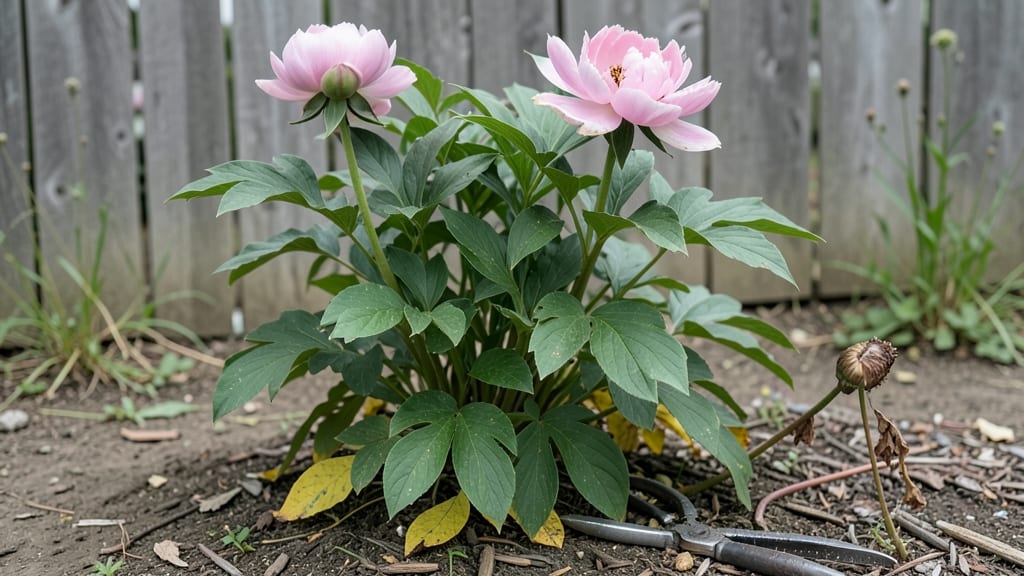
Trimming peonies after they bloom isn’t just about tidying up—it’s the secret to bigger, stronger blooms next spring. ✨ I’ve learned the hard way that skipping this step means smaller flowers and weaker stems, but doing it right transforms your garden beds into showstoppers.
The key is timing: wait until after the last bloom fades completely, but don’t let the foliage yellow—cut too early, and you starve the roots.
Here’s what you’ll need: sharp pruners (dull blades tear stems), gloves (peony stems have thorns like tiny swords), and a clear day to avoid spreading disease.
The goal is to remove spent blooms down to the first set of healthy leaves—this redirects energy from seed production to next year’s buds. Most gardeners make one of two mistakes: cutting too late (after frost) or too early (when foliage’s still green), both of which weaken the plant.
When done right, your peonies reward you with thicker stems and more blooms the following season. Picture it: stems the width of your thumb, flowers the size of dinner plates, and a garden that turns heads.
The foliage stays green until late summer, feeding the roots—so resist the urge to clean up too soon. This one simple step turns a floppy, overgrown mess into a powerhouse for years to come.
Works for herbaceous peonies (the most common type) in zones 3–8, whether you’ve got a sunny border or a shady woodland garden. The same rules apply—just adjust your timeline if your last frost comes early. Let’s get those blooms prepped for next year!
📚 In This Guide
- What you need
- Instructions
- Tips and common mistakes
- Wrapping up and next steps
What you need
- ● Pruning shears or bypass pruners – Sharp, clean, and sterilized (avoid dull tools—squished stems hurt the plant!). Look for bypass types (not anvil) for precision cuts.
- ● Garden gloves – Thick, cut-resistant (peonies have thorny stems—trust me, you’ll thank yourself!). Opt for nitrile-coated for grip.
- ● Disinfectant (70% isopropyl alcohol or bleach solution) – 1 part bleach to 9 parts water to sterilize tools between cuts and prevent disease.
- ○ Garden twine or plant ties (optional) – If your peonies are tall or floppy after blooms, use soft, stretchy ties to support stems while they recover.
- ● Compost bin or mulch – For deadheaded blooms (save them for compost!) and mulch (2–3 inches of aged compost or shredded bark to retain moisture).
- ● Timing: Wait until 50–70% of the blooms are fully wilted (usually 2–4 weeks after peak bloom). Never trim green buds! 💡 Pro Tip: Snap a photo of your peony’s natural shape before trimming—it’s your guide!
- ● Weather: Choose a mild, dry day (avoid rain for 24 hours post-pruning to prevent fungal issues).
- ● Plant health check: Inspect for pests (aphids, peony sawfly larvae) or diseased foliage (black spots = fungal infection). Remove any affected leaves or stems immediately.
- ● Hand lens (magnifying glass) – For spotting tiny sawfly eggs (tiny orange dots on buds).
- ● Pruning saw – If stems are thick and woody (uncommon for peonies but possible in mature plants).
- ● Plant food (balanced fertilizer, 10-10-10) – Apply lightly after trimming to encourage root growth for next year.
Step-by-Step instructions for trimming peonies after blooming
Here's how I keep my peonies thriving year after year—simple cuts lead to bigger, healthier blooms next season.
✂️ Step 1: Wait Until Flowers Fully Fade
Don't trim too soon. Wait until all petals have fallen naturally and the flower head turns brown or papery. This ensures the plant has finished flowering and stored energy for next year's buds. I know it's ready when I can gently shake the stem and no petals remain attached.
If you cut too early, you risk removing the plant's energy reserves before they've moved down into the roots. Peonies store nutrients in their thick, fleshy roots, and premature trimming can weaken next year's blooms. Patience here pays off with stronger stems and larger flowers.
✂️ Step 2: Cut Stems Back to the First Healthy Leaf Pair
Using clean, sharp pruners, make a 45-degree cut just above the first set of healthy leaves below the flower head. This is where new growth will emerge next spring. I always look for the second or third leaf pair from the bottom—they're usually plump and green, indicating stored energy.
Never cut into the thick, woody stem below the leaves. This can leave an open wound that invites disease. The goal is to leave 3-4 inches of stem above the crown (the base where the roots meet the stems). This prevents rot while allowing the plant to photosynthesize until winter dormancy.
🌿 Step 3: Remove Any Diseased or Damaged Foliage
After deadheading, inspect the remaining foliage. Remove yellowed, brown, or blackened leaves with your pruners, cutting them back to healthy green tissue. Diseased leaves can harbor fungal spores that overwinter and infect next year's growth. I toss these in the trash—not the compost pile—to prevent spreading problems.
If you notice powdery mildew (white fuzzy patches) or black spots, prune those areas aggressively. Healthy peony foliage should be deep green and firm to the touch. This cleanup helps the plant focus its remaining energy on root development rather than fighting infections.
💧 Step 4: Water Deeply and Mulch the Base
Give your peonies a deep watering right after trimming to help them recover. Aim for 1-2 inches of water per week, especially if your area hasn't had recent rain. Peonies have deep roots, so water should penetrate 6-8 inches into the soil. I use a soaker hose to avoid wetting the foliage, which reduces disease risk.
Spread a 2-3 inch layer of mulch (like the shredded bark you have) around the base, keeping it 3-4 inches away from the stems. This insulates the roots, retains moisture, and prevents soil-borne diseases from splashing onto the crown. I always refresh the mulch in early spring to maintain protection.
⏰ Step 5: Monitor for Winter Prep (Optional Late Fall)
If you live in a region with harsh winters (below 10°F), consider adding an extra 4-6 inches of mulch in late fall. This protects the crown from freezing and thaw cycles, which can damage the plant. I check the forecast—if we're expecting a deep freeze, I'll mound soil or straw over the crown temporarily.
Peonies are hardy, but young plants or newly transplanted ones benefit from this extra care. Avoid heavy mulch if your winters are mild—too much moisture can rot the crown. By late winter, you'll see new shoots pushing through the soil, signaling the plant's readiness for spring growth.
Tips & tricks for perfect peony trimming
A few simple tricks will help you avoid common mistakes and keep your peonies thriving for years to come.
Timing is Everything: In Step 1, don't rush the waiting process. I've learned the hard way that cutting too early—when petals are still clinging—can actually weaken next year's blooms. Test readiness by gently shaking the stem: if no petals fall, it's not quite time. This patience ensures your peonies store all their energy for spring growth. The difference between a mediocre result and an absolutely stunning one often comes down to this single, seemingly insignificant step.
Precision Cutting Technique: When you reach Step 2, make your 45-degree cut with confidence—but don't guess where to stop. Look for the second or third leaf pair from the bottom, which should be plump and vibrant green. These leaves indicate where the plant has stored energy. I like to count leaves from the bottom up while holding the stem at a 45-degree angle to visualize the cut line. This method prevents cutting too low and damaging the crown.
Disease Prevention: Step 3's foliage cleanup is where most gardeners make their biggest mistake. I've seen peony beds completely ruined by fungal infections because diseased leaves were composted rather than discarded. Always remove any leaves showing signs of powdery mildew or black spots completely—don't just trim the affected areas. The spores can overwinter and reinfect your plants next season. For extra protection, consider spraying the remaining foliage with a copper fungicide after pruning.
Winter Protection Strategy: If you're in a region where temperatures drop below 10°F, don't skip the optional winter prep in Step 5. I've seen peony crowns heave out of the soil during freeze-thaw cycles, which can kill the plant. When adding that extra 4-6 inches of mulch, mound it slightly around the crown rather than just spreading it flat. This creates better insulation against extreme cold. For young plants or newly transplanted peonies, this extra care makes all the difference in their survival rate.
Pro Tips for Trimming Peonies After They Bloom
- A few simple tricks will help you avoid common mistakes and keep your peonies thriving for years to come.
- Timing is Everything: In Step 1, don't rush the waiting process.
- Precision Cutting Technique: When you reach Step 2, make your 45-degree cut with confidence—but don't guess where to stop.
Frequently asked questions
Got questions about trimming peonies after they bloom? You’re not alone! Whether you’re a seasoned gardener or just starting out, these common queries (and answers) will help you keep your peonies thriving for years to come.
When is the best time to trim peonies after they bloom?
The ideal time to trim peonies is after their blooms have faded—typically 2–4 weeks post-bloom. This gives the plant time to store energy in its roots for next year’s growth. Don’t rush it! Waiting too soon can weaken the plant, while waiting too long may encourage new growth that could freeze in winter.
What happens if I don’t deadhead my peonies?
Skipping deadheading won’t kill your peonies, but it will reduce their energy reserves. Without trimming, the plant may focus on producing seeds instead of storing nutrients in its roots—resulting in fewer or smaller blooms next year. Plus, spent blooms can look messy! A quick trim keeps your garden tidy and healthier.
Can I trim peonies in the fall instead of summer?
Fall trimming is not recommended for most peony varieties. Cutting back foliage too early can expose roots to frost, stressing the plant. Wait until late fall or early winter (after the first hard frost) to prune only the dead or diseased foliage—never the crown or roots. This protects your peonies from cold damage and ensures vigorous spring growth.
What if my peonies keep blooming—do I trim them all?
If your peonies produce multiple flushes of blooms, you can trim only the spent flowers (deadheading) to encourage more blooms. However, stop trimming after the main bloom cycle (usually in late summer) to let the plant rest. Over-trimming can exhaust the plant and reduce next year’s performance. Listen to your peonies—they’ll tell you when to slow down!
My peony leaves turned yellow—should I trim them?
Yellowing leaves can signal stress, disease, or nutrient deficiency. If the yellowing is widespread or accompanied by wilting, trim only the affected foliage and inspect the roots for rot or pests. For isolated yellowing, wait until fall to prune—healthy leaves help the plant store nutrients. If disease is suspected, disinfect your shears with rubbing alcohol to prevent spread.
Wrapping up and next steps
Trimming peonies after they bloom is your secret to next year’s showstopping blooms—it’s all about timing, technique, and a little TLC! By deadheading spent flowers, trimming foliage thoughtfully, and avoiding over-pruning, you’ll encourage stronger stems and bigger blooms. Your garden will thank you!
Ready to put your new skills to work? Grab those shears and give your peonies the care they deserve. Watch them thrive year after year—it’s easier (and more rewarding) than you think! 🌸✂️