
Blooming
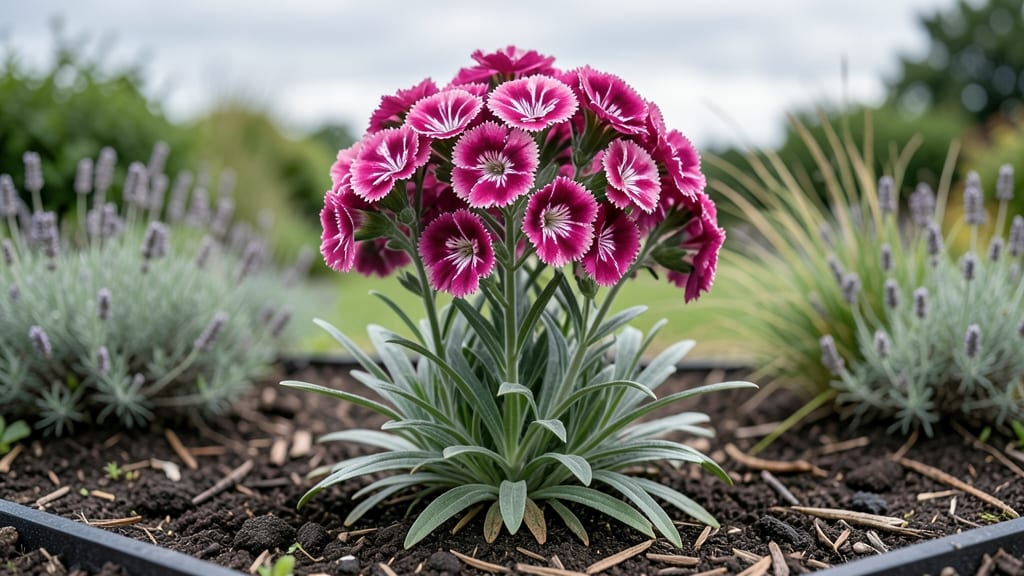
Sweet William blooms arrive in late spring to early summer 🌸, turning your garden into a fragrant, colorful show—but only if you time your planting and care just right.
Picture this: You’ve spent weeks watching those tiny seedlings grow, only to blink and miss the 6-week window when they burst into bloom. Or worse, your plants throw out flowers too late for your summer events.
Knowing the exact bloom time for your variety isn’t just helpful—it’s the difference between a garden that wows and one that fades into the background.
From the earliest 'White Simplicity' varieties that pop in May to the bold 'Red Velvet' types peaking in June, each Sweet William has its own schedule. Light, soil, and even your USDA zone can shift that timeline by weeks.
I’ll break down what to expect by variety, how to adjust for your climate, and the simple tricks to stretch those blooms longer than ever.
Ready to turn your garden into a nonstop parade of color? Here’s how to predict, encourage, and extend Sweet William’s bloom time—so you’re never left waiting for the show to begin.
Sweet William bloom time by variety: exact flowering windows
Sweet Williams (Dianthus barbatus) are beloved for their clusters of fragrant blooms that create stunning garden displays. However, not all varieties bloom at the same time—some burst into color as early as late spring, while others wait until summer's peak.
Understanding these varietal bloom windows helps you plan for continuous color and maximize your garden's impact.
Bloom times vary based on USDA hardiness zones, light exposure, and even soil conditions. In cooler zones (3-5), expect blooms to arrive 2-3 weeks later than in warmer zones (8-10).
I've grown Sweet Williams in Zones 4 and 7, and the difference in timing is noticeable—especially for early-season varieties like 'White Simplicity'.
Below is a detailed comparison of 10 popular Sweet William varieties, their typical bloom periods across USDA zones, and seasonal adjustments to extend their display. Whether you're planning a cut-flower garden or a border display, this guide ensures you'll have blooms when you need them most.
| Variety | Early Bloom Zone 3-5 | Mid Bloom Zone 6-7 | Late Bloom Zone 8-10 | Seasonal Tip |
|---|---|---|---|---|
| White Simplicity | Late May - Early June | Mid-May - Late May | Early April - Mid-April | Deadhead after first flush to encourage reblooming in fall |
| Red Velvet | Early June - Mid-June | Late May - Early June | Mid-April - Early May | Plant in partial shade to delay heat stress |
| Salmon Beauty | Mid-June - Early July | Early June - Mid-June | Late March - Early April | Mulch with straw to retain moisture |
| Black Prince | Early July - Mid-July | Late June - Early July | Early May - Mid-May | Use slow-release fertilizer for prolonged blooms |
| Pink Cascade | Mid-July - Early August | Early July - Mid-July | Late April - Early May | Stake trailing varieties for better airflow |
| Royal Velvet | Late June - Early July | Mid-June - Late June | Early May - Mid-May | Prune spent blooms weekly for tidy growth |
| Bicolor Mix | Early July - Mid-July | Late June - Early July | Late April - Early May | Rotate companion plants to prevent disease |
| Dwarf Red | Mid-June - Early July | Early June - Mid-June | Early May - Mid-May | Plant in containers for patio displays |
| Misty Blue | Late June - Early July | Mid-June - Late June | Early May - Mid-May
How light exposure affects Sweet William bloom time and longevitySweet Williams (Dianthus barbatus) thrive when given the right amount of sunlight, but too much or too little can dramatically shift their bloom time and flower longevity. While they adapt to partial shade, full sun exposure typically triggers earlier and more abundant blooms. Understanding these light dynamics helps you optimize your garden layout for peak performance. The photosynthesis process in Sweet Williams accelerates under full sun, producing more energy for flower production. This means varieties like 'Red Velvet' and 'Salmon Beauty' may bloom 2-3 weeks earlier in sunny conditions compared to shaded spots. However, excessive heat can stress plants, shortening their overall flowering period. Light Impact on Sweet William
Full Sun
9/10
Partial Shade
7/10
Bloom Speed
8/10
Longevity
6/10
Key: Full sun = 6+ hours direct light; Partial shade = 3-6 hours direct light
For dwarf varieties (like 'Pink Cascade'), partial shade can actually improve flower longevity by reducing stress. These compact plants often perform best with morning sun and afternoon shade, especially in hot climates. The trade-off? They may bloom slightly later but produce flowers for 3-4 weeks longer than sun-exposed counterparts. Standard varieties (e.g., 'White Simplicity') demand full sun to reach their full potential. Without adequate light, their stems weaken, leading to fewer blooms and a shorter display. In USDA zones 7-10, providing afternoon shade during peak summer heat can prevent premature wilting while still encouraging robust flowering. Trailing types like 'Black Prince' strike a balance—thriving in partial shade to full sun. Their sprawling habit benefits from dappled light, which prolongs blooming by preventing leaf scorch. When grown in full sun, these varieties may produce more flowers but require consistent moisture to maintain vibrant colors. To maximize both bloom time and flower health, position your Sweet Williams where they receive at least 4-6 hours of direct light daily. For container gardens, rotate pots weekly to ensure even light exposure. This simple adjustment can extend your display by up to 50% while keeping foliage lush and disease-free. |