
Pruning
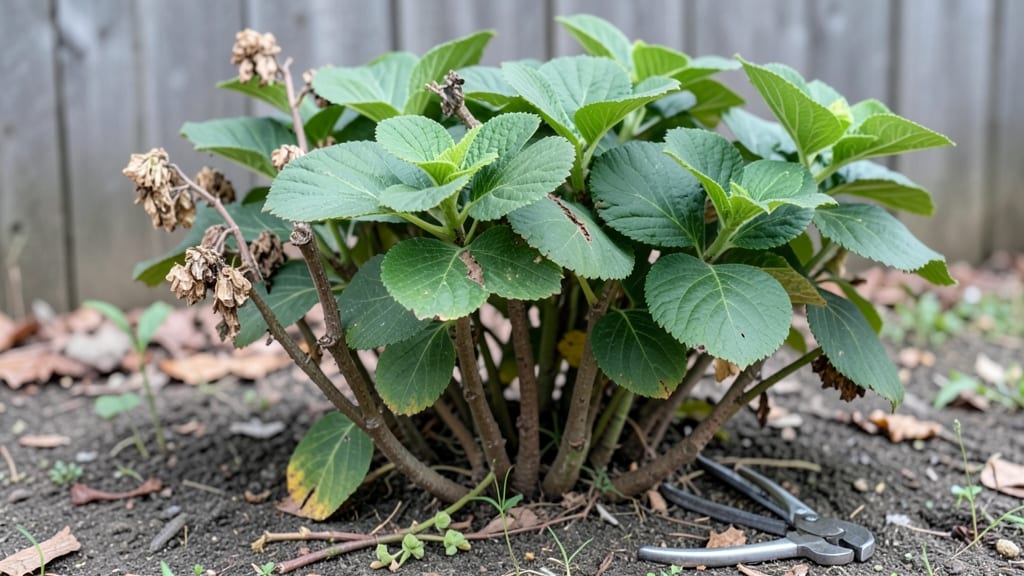
Trimming hydrangea blooms transforms a ragged bush into a lush, flower-covered centerpiece—if you do it right. ✨ I’ve spent years watching hydrangeas go from scraggly to showstopping after just a few strategic cuts, and the secret lies in knowing when, where, and how to prune for your specific type.
The wrong snip can mean fewer blooms next season, but the right approach guarantees a bush bursting with color every summer.
Most people wait until spring to prune, but that’s actually the worst time for some varieties. Mophead hydrangeas bloom on new wood, so you can trim them in late winter or early spring, while lacecaps bloom on old wood and need their cuts in summer after flowering.
A sharp pair of pruners and a clean cut at a 45-degree angle are all you truly need—no fancy tools required. Just avoid cutting into the woody stems, and you’ll keep your plant healthy.
After trimming, your hydrangeas will reward you with thicker stems and more abundant blooms by midsummer. The flowers themselves will be larger, the foliage denser, and the overall shape more balanced.
You’ll notice the difference within weeks, not just at the next blooming season. This is how you turn a maintenance chore into a gardening highlight.
Works for both container and in-ground hydrangeas, and the same principles apply whether you’ve got one bush or a whole border. The key is patience—hydrangeas respond best when you prune at the right time for their type.
Let’s get those shears out and make your hydrangeas the envy of the neighborhood.
📚 In This Guide
- What you need
- Instructions
- Tips and common mistakes
- Wrapping up and next steps
What you need
- ● Pruning shears: Bypass pruners (sharp, clean, and sterilized with rubbing alcohol to prevent disease). Size: 5–7 inches for precision cuts.
- ● Loppers: For thicker stems (½–1 inch in diameter). Quantity: 1 pair (extendable handles help with tall hydrangeas!).
- ● Hand pruners: For delicate trimming (e.g., mophead or lacecap varieties). Size: 4–5 inches.
- ● Gloves: Heavy-duty gardening gloves (thick leather or nitrile-coated for grip and protection). Bonus: Thorn-resistant if your hydrangeas have spiky stems!
- ● Disinfectant: 1 part bleach to 9 parts water (for cleaning tools between cuts).
- ● Rag or paper towels: For wiping tools and hands.
- ○ Marking twine or flags: Optional but helpful for labeling stems to prune (especially for large bushes).
- ● Pruning saw: For stubborn, woody stems (rare for hydrangeas, but useful if branches are >1.5 inches thick).
- ● Knee pads: If your hydrangeas are ground-level or you’ll be kneeling for extended periods.
- ● Spray bottle with water: To mist tools and stems before cutting (reduces splintering).
- ● Plant food or fertilizer: Post-pruning boost (balanced 10-10-10 or hydrangea-specific formula).
- ● Camera or phone: Snap before/after pics to track progress (and brag to your gardening squad!).
Step-by-step instructions for trimming hydrangea blooms
Here's how I keep my hydrangeas lush, full, and blooming year after year.
✂️ Step 1: Identify Your Hydrangea Type First
This is the moment that matters: knowing your hydrangea type determines everything. Bigleaf hydrangeas (like 'Endless Summer') bloom on new wood—last year's growth won't produce flowers. Smooth hydrangeas (like 'Annabelle') bloom on old wood—cutting back too early removes next year's buds. Oakleaf types are forgiving but still prefer old wood blooming.
Check your plant's leaves: bigleaf types have large, rounded leaves with prominent veins. Smooth hydrangeas have smooth-edged, smaller leaves and those iconic dome-shaped blooms. If you're unsure, snap a photo and compare it to online guides—you'll thank yourself later when you avoid a disastrous pruning mistake.
✂️ Step 2: Time Your Cuts to the Season
For new wood bloomers (bigleaf types), prune right after flowering in late summer or early fall. This gives the plant time to develop next year's blooms before winter. I always wait until after the first frost has passed but before new growth starts—usually mid-to-late September in my zone.
For old wood bloomers (smooth types), prune immediately after flowering but no later than early July. This prevents removing next year's flower buds. If you cut too late, you'll end up with bare stems next season. I mark my calendar with a bright sticker—trust me, you'll forget otherwise.
✂️ Step 3: Cut Back Using the "Third Rule"
Here's the system I swear by: cut back to one-third of the plant's height from the base. For bigleaf types, this means removing last year's faded blooms and cutting back to a strong set of leaves or buds. For old wood types, I make clean cuts just above a bud or leaf node—never leave stubs.
Use clean, sharp pruners (I disinfect mine with rubbing alcohol between cuts) to make 45-degree angles about ¼ inch above a bud. This prevents water from pooling on the cut and encourages new growth. If a branch looks dead or diseased, remove it entirely—don't hesitate. Your plant will thank you with fuller growth next season.
🌿 Step 4: Shape and Thin for Airflow
Step back and look at your hydrangea like a sculptor. Remove crossing branches first—these rub together and create wounds. Next, thin out weak, spindly growth that never seems to fill out. I aim to leave 3-5 strong stems per plant, depending on its size.
For a bushier look, cut back some stems harder than others—this creates a natural tiered shape. Never cut more than one-third in any single season, or you'll shock the plant. If you're feeling ambitious, shape the outer edges slightly to encourage a rounded form. Just remember: hydrangeas are forgiving, so don't stress about perfection.
⏰ Step 5: Clean Up and Fertilize for Next Season
After pruning, rake up all the clippings and dispose of them—never leave them on the ground. This prevents disease from overwintering. I always water deeply right after pruning to help the plant recover. Then, I apply a balanced fertilizer (10-10-10) in early spring to encourage new growth.
Here's the thing—hydrangeas love regular watering during their growing season. I check the soil once a week and water until it's moist 6 inches down. Mulch around the base with 2-3 inches of organic mulch to retain moisture and protect roots. You'll see stronger stems and bigger blooms next year if you do this step right.
Tips & tricks for perfect hydrangea trimming
These simple tricks will help you avoid common mistakes and keep your hydrangeas thriving for years to come.
Hydrangea Type Matters: Don't guess—take a photo of your plant and compare it to online guides if you're unsure. Bigleaf types need completely different timing than smooth hydrangeas. I once pruned a smooth hydrangea too late and ended up with bare stems for a full season. The leaves are your best clue: bigleaf varieties have large, rounded leaves with prominent veins, while smooth types have smaller, smoother-edged leaves and those classic dome-shaped blooms.
Seasonal Timing Secret: Mark your calendar with bright stickers for these critical deadlines: new wood bloomers (like bigleaf types) should be pruned in mid-to-late September after the first frost has passed, while old wood bloomers (like smooth types) must be pruned immediately after flowering but no later than early July. I learned this the hard way when I pruned my smooth hydrangea in August—next season's buds were gone before I even noticed.
The Third Rule Technique: When cutting back, always follow the one-third rule: remove no more than one-third of the plant's height in any single season. For bigleaf types, cut back to a strong set of leaves or buds, while old wood types need clean cuts just above a bud or leaf node. Use clean, sharp pruners and make 45-degree angles about ¼ inch above the bud to prevent water pooling. I disinfect my pruners with rubbing alcohol between cuts to prevent disease spread.
Airflow and Shape Strategy: Step back and look at your hydrangea like a sculptor—remove crossing branches first as these create wounds. Thin out weak, spindly growth to improve airflow and leave 3-5 strong stems per plant. For a bushier look, cut back some stems harder than others to create natural tiering. Remember, hydrangeas are forgiving, so don't stress about perfection—just follow these basic principles for the best results.
Pro Tips for Trimming Hydrangea Blooms
- These simple tricks will help you avoid common mistakes and keep your hydrangeas thriving for years to come.
- Hydrangea Type Matters: Don't guess—take a photo of your plant and compare it to online guides if you're unsure.
- I learned this the hard way when I pruned my smooth hydrangea in August—next season's buds were gone before I even noticed.
Frequently asked questions
Got questions about trimming hydrangea blooms? You’re not alone—this popular task stumps even seasoned gardeners! Here are answers to the most common concerns, straight from the pros.
When’s the best time to trim hydrangea blooms?
The timing depends on your hydrangea type! For mophead and lacecap varieties (like Hydrangea macrophylla), trim after blooming in late summer or early fall—this encourages next year’s flowers. For panicle hydrangeas (like Hydrangea paniculata), you can trim hard in late winter or early spring to shape them for spring/summer blooms. Always check your plant tag for specifics!
Can I trim hydrangea blooms in the middle of summer?
Trimming in summer is risky—it can remove buds that haven’t formed yet, leaving you with fewer flowers next season. If you must trim for shaping, stick to deadheading spent blooms (removing wilted flowers) to redirect energy to new growth. For heavy pruning, wait until the plant has finished blooming or until winter dormancy.
What if my hydrangea blooms aren’t coming back after trimming?
If your hydrangea skips blooming, it’s often due to over-pruning or cutting back too late. For mophead/lacecap types, avoid trimming more than one-third of the plant in a season. If you’re unsure, focus on removing dead wood and leaving next year’s buds (found at the base of old blooms). Fertilizing with phosphorus-rich food in spring can also help stimulate blooms!
Do I need special tools to trim hydrangea blooms?
No fancy tools required! A sharp pair of pruning shears (cleaned with rubbing alcohol) works perfectly. For thicker branches, use loppers. Always cut just above a bud or leaf node at a 45-degree angle to encourage healthy regrowth. Skip dull tools—they crush stems and invite disease.
What should I do with the trimmed hydrangea blooms?
Don’t toss those blooms! Dried hydrangeas make stunning long-lasting arrangements. Hang them upside down in a dry, dark place for 2–4 weeks, then trim stems and arrange. For fresh bouquets, use them within 24 hours of trimming. Pro tip: Remove leaves to extend vase life. Want to compost them? No problem—hydrangea debris breaks down well and adds nutrients to your soil!
Wrapping up and next steps
Trimming your hydrangeas doesn’t have to be intimidating—it’s all about timing, technique, and a little patience! 🌸 Whether you’re shaping for summer blooms or winter prep, mastering these steps ensures lush, vibrant flowers year after year. Start small, observe your plant’s growth, and soon you’ll be a hydrangea-pruning pro.
Ready to give it a try? Grab your pruners, pick a sunny day, and get started! Your hydrangeas—and your green thumb—will thank you. 🌿✨