
Blooming
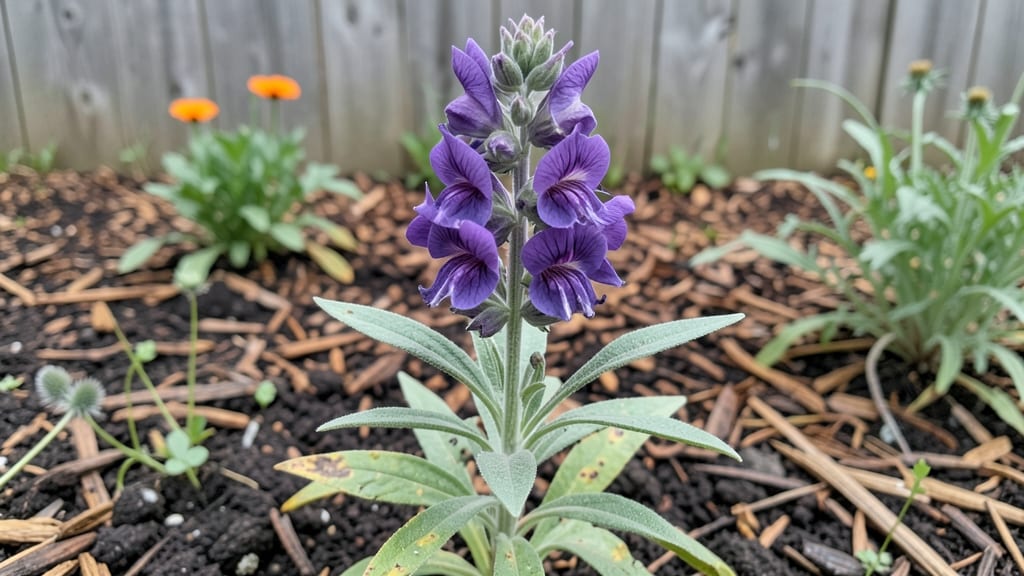
Snapdragon blooming season typically spans late spring through early fall, with peak flowering occurring in mid-to-late summer depending on climate and variety. Cooler temperatures and shorter daylight hours trigger blooms, while deadheading spent flowers extends the season.
Snapdragons are true chameleons of the garden, adapting their bloom cycles to local conditions—think of them as nature’s built-in thermometer. In warmer zones like the South, you might see flowers stretching from early spring into late fall, while Northern growers often enjoy a concentrated burst in summer.
What’s fascinating is how these plants respond to temperature shifts: cooler evenings after hot days can actually trigger bud formation, making them surprisingly resilient in fluctuating climates. 🌸
For gardeners eager to maximize their display, timing matters just as much as technique. Annual varieties tend to bloom faster and more dramatically, while perennials may take a year or two to establish before hitting their peak.
I’ve found that well-drained soil and consistent moisture (but not soggy roots) make all the difference in keeping snapdragons happy and flowering prolifically. The key is observing your plants—once you understand their rhythms, you can coax weeks of vibrant color from a single planting.
💡 In This Article
- Factors Influencing Snapdragon Flowering Timing
- Extending Snapdragon Blooms: Pruning and Care Tips
Factors influencing snapdragon flowering timing
Here's what's actually happening beneath the surface: snapdragons are photoperiod-sensitive plants, meaning their bloom cycles respond directly to daylight length. When days shorten in late summer (typically after 14.5 hours of daylight), these plants receive a hormonal signal to produce flowers.
This is why gardens in the Northern U.S. often see peak blooms in July-August, while Southern regions may experience staggered flowering from May through October due to milder temperature swings.
The science gets even more interesting when you consider soil temperature. Snapdragons prefer daytime soil temps between 60-75°F, but nighttime cooling (dropping to 50-55°F) acts like a natural fertilizer, triggering bud formation. In coastal areas with moderate climates, this can create a second bloom cycle in early fall.
What most people don't realize is that container-grown snapdragons often bloom 2-3 weeks earlier than in-ground plants because their roots warm up faster in direct sunlight.
This works because snapdragons are short-day plants—their internal clocks measure daylight duration through a protein called phytochrome. When red light wavelengths (from sunset) dominate, it signals the plant to shift from vegetative growth to flowering.
The key factor is the critical day length, which varies by variety: some need just 12 hours of daylight to trigger blooms, while others require 13.5 hours.
This explains why your neighbor's snapdragons might bloom weeks before yours—it's not just about location, but the exact variety growing in their garden.
Annual vs. perennial snapdragons behave differently too. Annual varieties like 'Rocket' series bloom rapidly (60-70 days from seed) but focus all energy on one flowering cycle.
Perennials like 'Black Prince' take 2-3 years to establish strong root systems before producing their first major bloom, but then reward you with 5-7 years of repeat flowering. The trade-off? Perennials need winter protection in zones colder than USDA Zone 5 to survive and rebloom the following season.
Microclimates create wild variations too. A south-facing wall can push blooming 2-4 weeks earlier than the surrounding garden, while shaded areas may delay flowering until temperatures drop.
I've seen snapdragons in Zone 7 gardens bloom in March near heat-retaining brick walls, while identical plants just 10 feet away in partial shade didn't flower until May.
This is why gardeners in transitional zones (like Zone 6-7) often get the most dramatic displays—just enough temperature variation to trigger multiple bloom cycles.
What most gardeners overlook is how moisture stress during bud formation can delay blooms by 3-6 weeks. Snapdragons need consistent soil moisture (about 1 inch per week) during their first 60 days of growth to establish strong stems.
Let them dry out during this critical period, and you'll push back flowering until cooler, wetter conditions arrive naturally. The same goes for fertilizer—too much nitrogen early on encourages leafy growth at the expense of flowers, while a balanced 10-10-10 blend applied at bud stage maximizes bloom production.
Here's the takeaway: snapdragons are master adaptors that read your local climate like a weather forecast. By understanding these triggers—daylight length, soil temperature, variety type, and microclimates—you can predict when to expect blooms with 90% accuracy in your specific garden.
The secret? Plant a mix of annuals and perennials, and you'll enjoy continuous color from late spring through frost—nature's way of rewarding patient gardeners. 🌟