
Trees
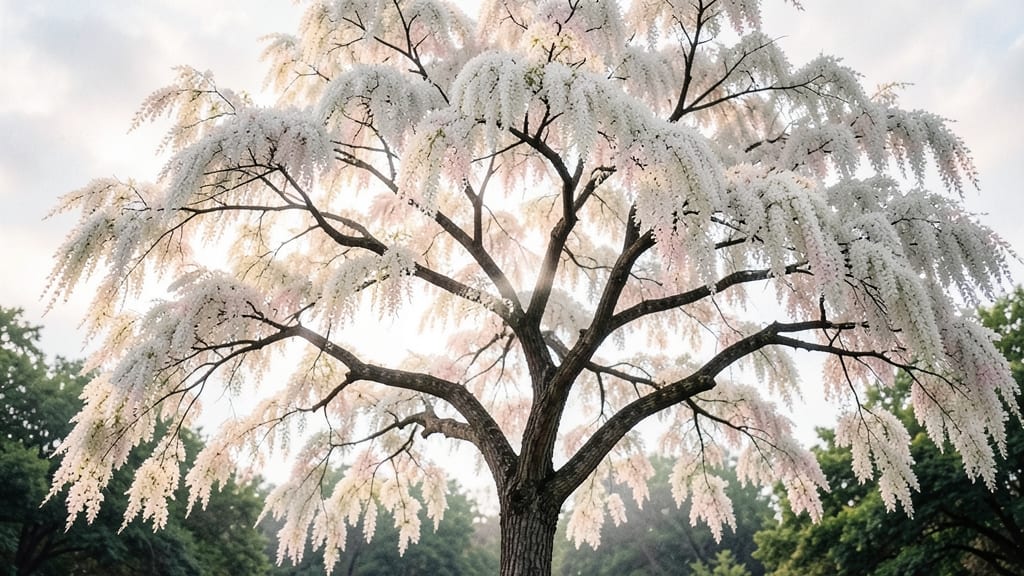
Transform your garden into a springtime paradise with these seven stunning white-blooming trees. Their delicate blossoms create breathtaking focal points while providing shade and year-round beauty that elevates any landscape.
Magnolia Grandiflora with White Blooms
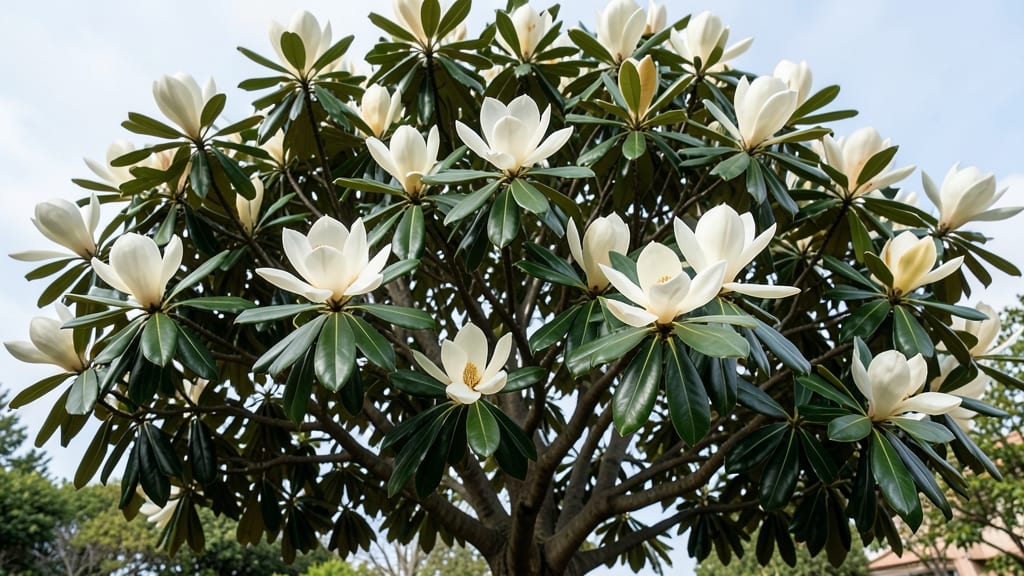
If you crave a tree that combines old-world charm with modern resilience, the Magnolia grandiflora delivers—its large, fragrant white blooms (up to 10 inches wide!) stand out against glossy evergreen leaves, making it a standout in any garden.
This coastal powerhouse thrives in USDA Zones 7-10, handling heat, humidity, and salt spray with ease—ideal for gardens near the ocean or in sweltering southern climates. Plant it where it gets full sun to partial shade for maximum bloom, and its dense foliage provides year-round privacy. Mulch well to retain moisture, as its deep roots appreciate consistent hydration.
Perfect for homeowners seeking low-maintenance elegance, this magnolia also attracts pollinators while resisting pests. Its timeless appeal makes it a centerpiece for both traditional and modern landscapes. 🌿
Crabapple Flowering Tree Varieties
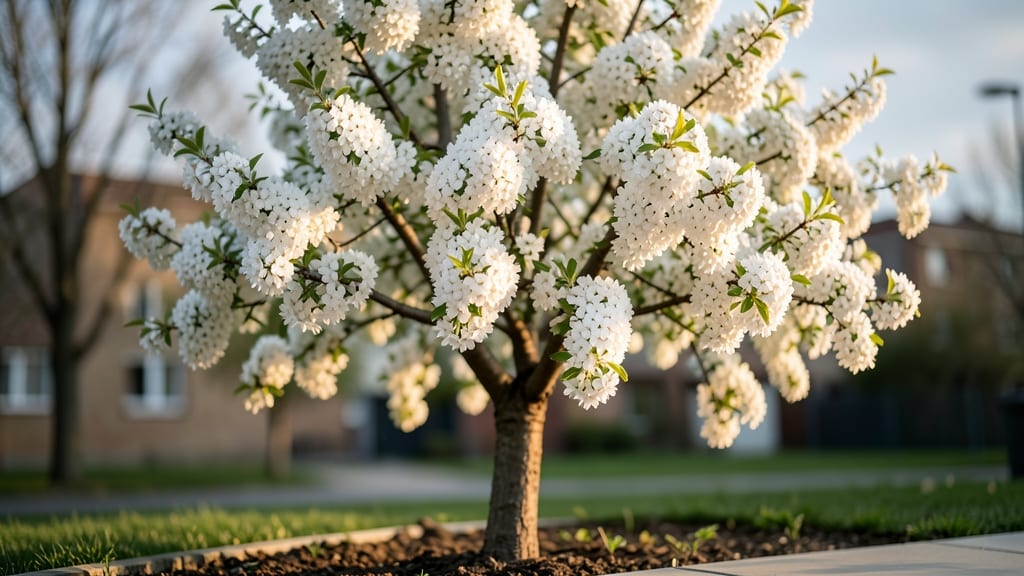
Looking for a small-space solution that still delivers big spring beauty? Crabapple trees bring abundant white blossoms and year-round interest to even the tiniest yards—without the sprawling footprint of other flowering trees.
These compact varieties thrive in 5-10 feet of space and produce clusters of fragrant white flowers in spring, followed by vibrant red, orange, or yellow fruit that persists through fall and winter. Choose pollinator-friendly cultivars like 'Adirondack' or 'Centennial' for maximum ecological benefit while keeping maintenance simple with their disease-resistant nature.
Perfect for urban courtyards, small backyards, or even large containers, crabapples offer four-season appeal that outshines many larger trees. 🌿
Japanese Cherry Blossom Trees
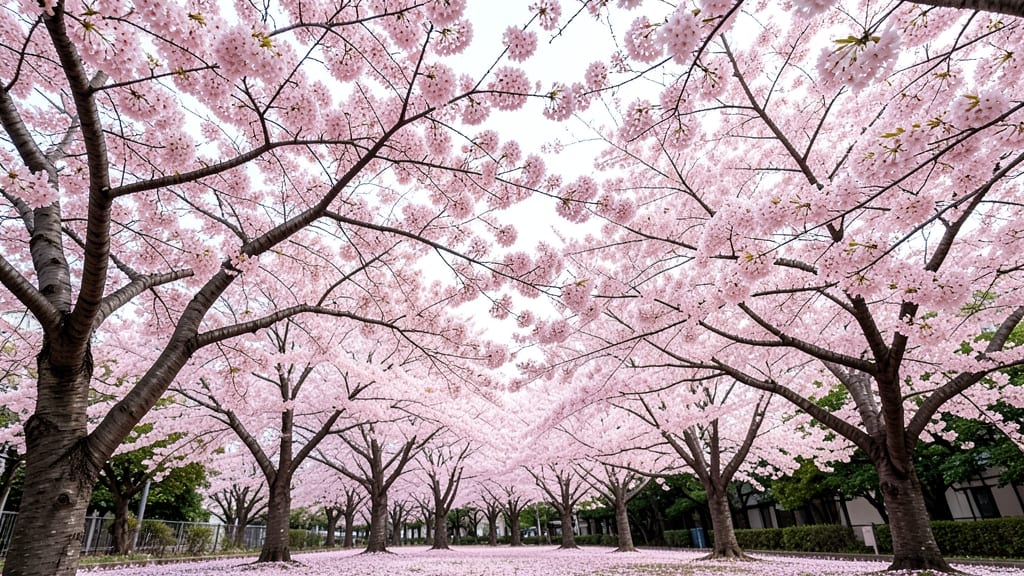
Bring a touch of Japan’s iconic spring celebrations to your garden with Japanese cherry blossom trees (Prunus serrulata). Their delicate pink-white blooms create breathtaking drifts when planted in groups, transforming even small urban spaces into serene focal points.
These trees thrive in USDA zones 5-8 and prefer full sun to partial shade, making them ideal for city parks, memorial gardens, or backyard landscapes. Plant them in well-drained soil and space them 15-20 feet apart for that signature "blossom drift" effect. Prune lightly after flowering to maintain shape, and enjoy their short but spectacular bloom season in early spring.
Perfect for gardeners who want cultural significance and visual drama, cherry blossoms also symbolize renewal and resilience—ideal for commemorative spaces or simply adding ethereal beauty to your yard. 🌷
Eastern White Flowering Dogwood
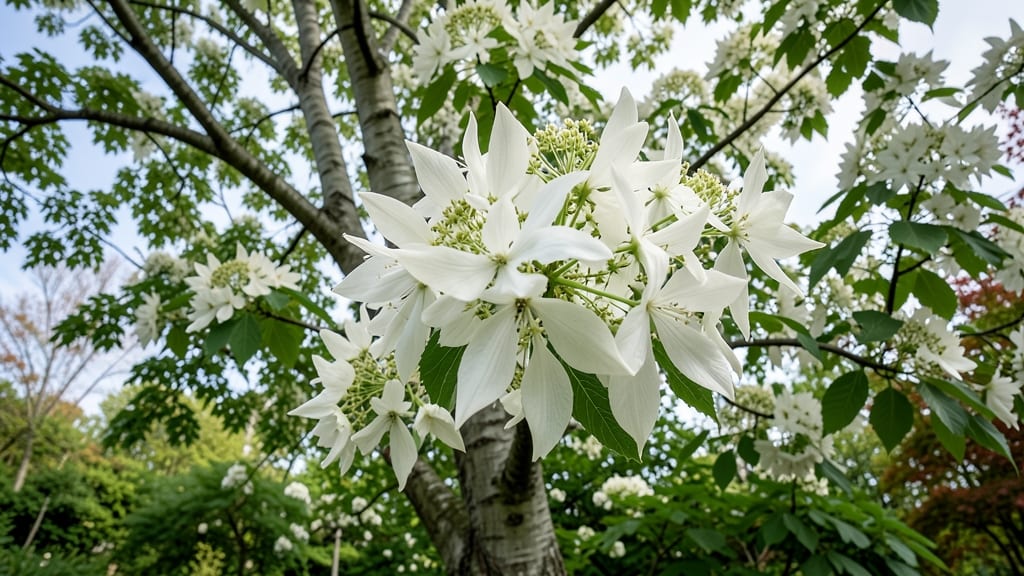
If you're looking for a native North American tree that delivers two seasons of showstopping color, the Eastern White Flowering Dogwood is your answer. Its four-petaled white bracts (modified leaves) create a dramatic display that lasts longer than the tiny green flowers at their center, while its foliage transforms into fiery reds and purples in autumn.
This versatile tree thrives in partial shade to full sun and adapts to various soil types, making it perfect for woodland gardens or as a specimen plant in suburban landscapes. With moderate growth (reaching 20-25 feet tall), it fits well in medium to large gardens. Prune lightly after flowering to maintain its natural shape and encourage healthy growth.
Native gardeners and wildlife enthusiasts will love this tree—its berries provide food for birds, while its year-round interest makes it a low-maintenance star. Perfect for those who want beauty without the fuss! 🌟
Bradford Pear Trees with White Flowers
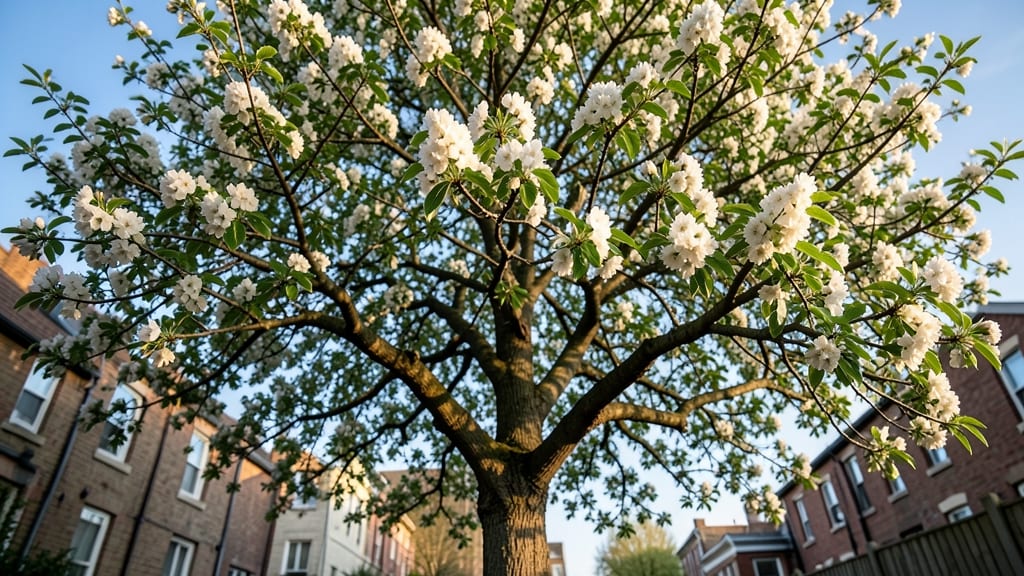
When you need fast shade and showstopping white blooms without waiting years, the Bradford pear delivers—perfect for urban yards where space is tight. This tree grows 3-4 feet per year, making it one of the quickest options for instant curb appeal and seasonal interest.
Its fragrant white flowers appear in early spring, followed by small, edible pears (though they’re messy and rarely eaten). To keep it thriving, plant in full sun and well-draining soil, and prune annually to maintain its compact shape. The tree’s disease-resistant nature makes it low-maintenance compared to other flowering trees.
Ideal for city dwellers, this tree fits snugly in small yards, along driveways, or as a street tree—just avoid planting near sidewalks due to its tendency to drop fruit. For a pop of color, pair it with purple-leaf plums or boxwood shrubs. 🌻
Saucer Magnolia with Large White Blooms
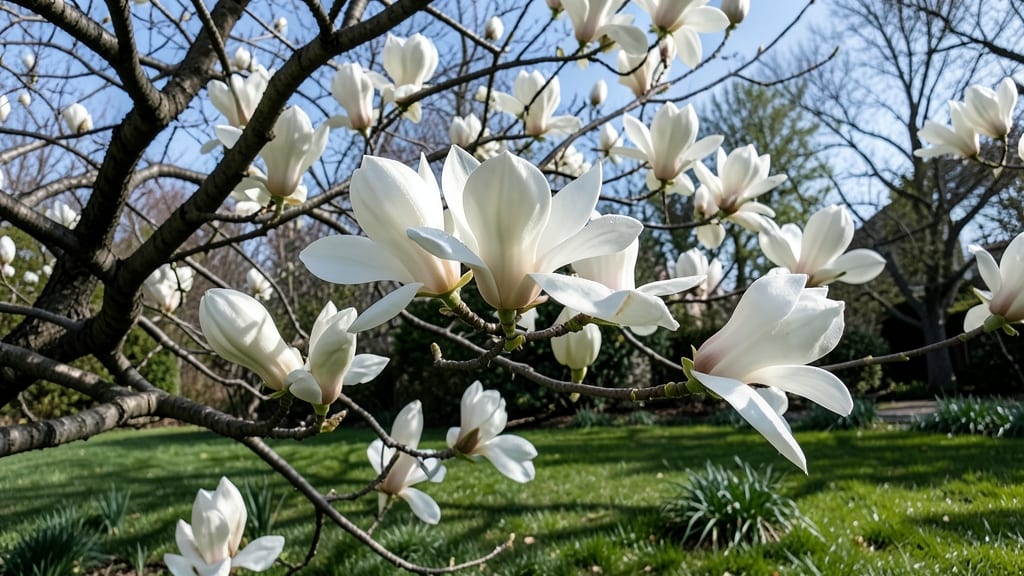
When you crave a dramatic spring entrance that stops passersby in their tracks, the saucer magnolia delivers with its cup-shaped white blooms that appear like clockwork before leaves even emerge. This isn't just another pretty tree—it's a landscape designer's secret weapon for creating bold focal points that steal the show.
Native to China and Japan, this deciduous tree thrives in USDA zones 5-9 and prefers full sun to partial shade, making it versatile for both urban and suburban gardens. The 6-8 inch white flowers (hence "saucer" shaped) bloom in early spring, often before April, and are followed by glossy green leaves that provide summer shade. Pruning is minimal—just remove dead wood in late winter to maintain its graceful, rounded form.
Perfect for gardeners who want low-maintenance drama, saucer magnolias pair beautifully with spring bulbs like daffodils or tulips at their base. Their early bloom time also makes them ideal for seasonal transitions, ensuring your garden never looks bare. 🌷
Fringe Tree with White Fringe Flowers
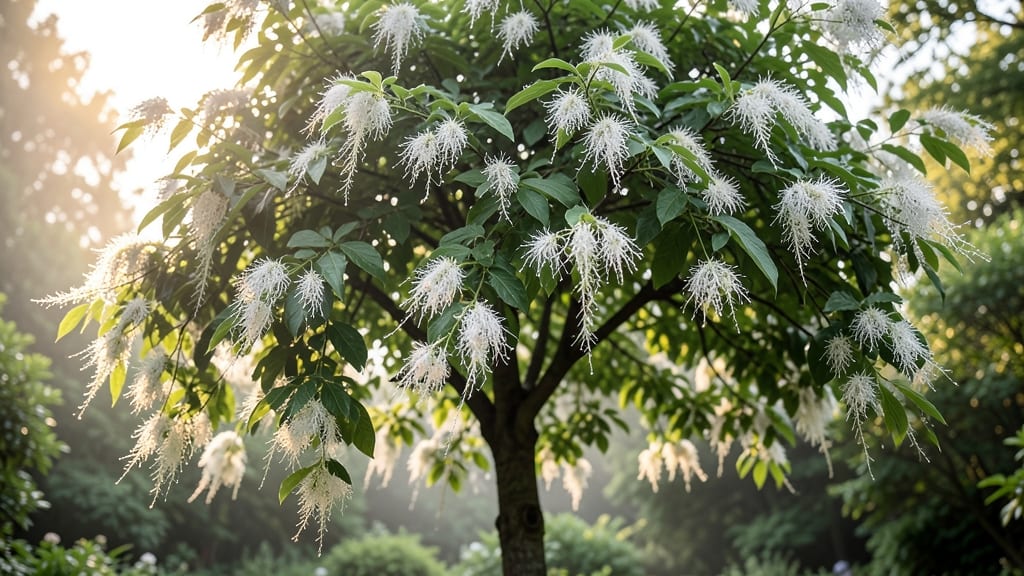
If you're looking for a tree that feels like a fairy-tale addition to your garden, the fringe tree (Chionanthus virginicus) delivers with its whimsical white fringe flowers that dance in the breeze. Unlike traditional blossoms, these delicate, feathery blooms create a soft, ethereal effect that transforms any landscape into a dreamy spring retreat.
This versatile tree thrives in USDA Zones 5-9, making it adaptable to a wide range of climates. Whether planted in full sun or partial shade, it flourishes with minimal fuss, though it prefers well-drained soil. Its fragrant flowers appear in late spring, attracting pollinators while adding a touch of magic to your garden. The dark green foliage provides year-round interest, and its moderate growth rate (20-30 feet tall) makes it ideal for medium-sized gardens or as a focal point in woodland settings.
Perfect for gardeners who love unique textures and low-maintenance beauty, the fringe tree is also drought-tolerant once established, making it a great choice for eco-friendly landscapes. Its soft, airy blooms pair beautifully with bold foliage plants like hostas or hydrangeas, creating a balanced, enchanting look. 🌻