
Blooming
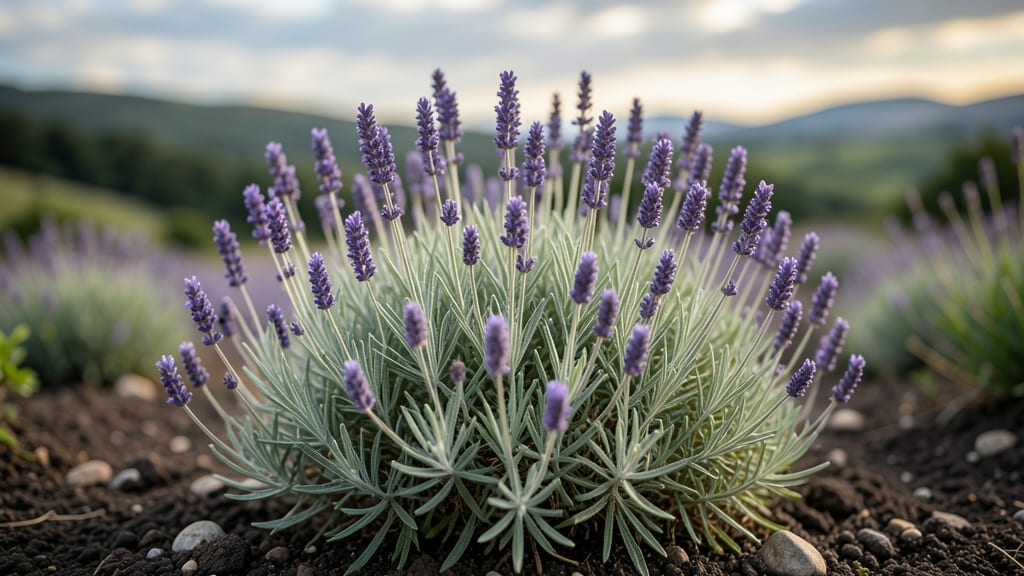
Summer blooms are the garden's fireworks display—heat-resistant stars that refuse to quit even when temperatures climb. 🌻 I've watched my zinnias and marigolds thrive through 90-degree days while other plants wilt, and the secret isn't just luck—it's choosing the right plants and giving them what they truly need to shine.
These are the varieties that turn my July garden into a riot of color, from towering sunflowers to delicate roses that smell like sunshine itself.
The real magic happens when you match plants to their perfect spots. Sunflowers and lavender demand full sun and well-draining soil, while hydrangeas and impatiens appreciate afternoon shade in hotter climates. My foolproof rule?
Group plants by their sun and water needs—this cuts maintenance in half and keeps everything looking fresh. Even in drought-prone areas, these plants deliver with minimal fuss once established.
By mid-July, your garden will be a nonstop show of blooms that attract butterflies and hummingbirds all day long. The key is consistent watering at the roots (not overhead), a light fertilizer boost every 4-6 weeks, and deadheading spent blooms to encourage more flowers.
My neighborhood's jealousy peak happens when they see my garden still bursting with color while theirs is fading.
Works everywhere from coastal climates to desert heat—just adjust watering frequency. Here's how to pick the perfect mix for your space and keep them thriving all season. Let's get your summer garden glowing!
The science behind summer blooms
Summer gardens burst with color thanks to a fascinating interplay of biology, climate, and plant adaptations. But why do certain plants choose this season to showcase their flowers?
The answer lies in a mix of environmental triggers, evolutionary survival strategies, and internal plant signals. Let’s break down the key reasons behind summer’s floral extravaganza.
Many summer-blooming plants are photoperiodic, meaning they rely on daylight length to trigger flowering. As summer solstice approaches (around June 21), days grow longer, sending a signal to plants that it’s time to reproduce.
- Short-day vs. long-day plants: Some plants (like chrysanthemums) bloom in fall because they need shorter days, while summer favorites (e.g., zinnias, sunflowers, and coneflowers) thrive in long-day conditions (14+ hours of daylight). - Phytochrome response: Plants detect red and far-red light wavelengths, which change with daylight.
Longer days activate genes that promote flower development. - Actionable tip: 💡 If you’re growing short-day plants in summer, you can trick them into blooming earlier by providing artificial light to shorten their perceived day length (e.g., covering them at dusk).
Heat isn’t just a challenge—it’s a growth accelerator for many summer plants. Warmer soil and air speeds up metabolic processes, including photosynthesis and nutrient uptake, which fuels blooming.
- Enzyme activity: Enzymes like rubisco (key for photosynthesis) work faster in heat, boosting energy production.
This extra fuel supports flower development. - Dormancy break: Some plants (like lavender or Russian sage) stay dormant in cool spring but burst into bloom when soil temps hit 60–70°F (15–21°C). - Risk vs. reward: While heat helps, extreme temps (above 90°F/32°C) can stress plants.
That’s why drought-tolerant species (e.g., yucca, agave) dominate summer gardens—they’re adapted to thrive in heat without wilting.
Summer often means less rainfall in many regions, but some plants have evolved to bloom because of seasonal water patterns—not despite them.
- Drought-adapted bloomers: Plants like desert marigolds (Baileya multiradiata) or blanket flower (Gaillardia) time their blooms to early summer when soil moisture is still relatively high, ensuring they have enough water to support heavy flowering.
- Deep root systems: Species such as black-eyed Susans (Rudbeckia) develop long taproots to access groundwater, allowing them to bloom prolifically even when surface soil dries out.
- Mulching matters: 🌡️ To mimic natural conditions, apply 2–3 inches of mulch (straw, wood chips) to retain moisture and regulate soil temp, helping summer plants thrive.
Summer isn’t just hot for plants—it’s prime pollinator season. Bees, butterflies, and hummingbirds are most active, creating a mutualistic relationship that encourages plants to bloom.
- Co-evolution: Many summer flowers (e.g., bee balm, salvia, lilies) produce bright colors, strong fragrances, or nectar-rich blooms to attract pollinators.
Their survival depends on these partnerships. - Timing is everything: Plants that bloom in spring (e.g., tulips) may miss peak pollinator activity, but summer bloomers align perfectly with June–August, when pollinators are most abundant. - Pro tip: ✨ Plant pollinator-friendly companions near your summer bloomers (e.g., milkweed for monarchs, lavender for bees) to boost both flower production and garden biodiversity.
Even without external cues, plants have internal biological clocks that regulate flowering. Hormones like florigen (a protein) travel from leaves to buds, signaling it’s time to bloom.
- Genetic programming: Some plants (like annuals such as cosmos or marigolds) are pre-programmed to flower in their first summer after sowing, regardless of conditions. - Stress-induced blooming: In some cases, mild stress (like slightly dry soil or warm nights) can trigger flowering.
This is why succulents (e.g., sedum) often bloom in summer—they’re adapted to thrive under arid conditions. - Light and temperature synergy: For many perennials (e.g., daylilies, peonies), a combination of long days + warm soil acts like a switch, flooding the plant with florigen.
Not all summers are equal! The USDA Hardiness Zone you’re in plays a huge role in which plants bloom when.
| Zone | Typical Summer Bloom Window | Example Plants |
|---|---|---|
| Zones 3–5 | Late June–August | Black-eyed Susans, Coneflowers, Shasta Daisies |
| Zones 6–8 | May–September | Lavender, Salvia, Zinnias, Sunflowers |
| Zones 9–11 | Year-round (but peaks summer) | Bougainvillea, Hibiscus, Bird of Paradise |
- Early vs. late bloomers: In cooler zones (e.g., Zone 4), plants like coreopsis may bloom in early summer, while heat-loving gaillardia waits until July–August. - Microclimates matter: A south-facing wall or urban heat island can push blooming 2–4 weeks earlier than the surrounding area.
Use this to your advantage by planting heat-lovers in sunny spots.
At its core, summer blooming is about reproduction and survival. Plants that bloom in summer maximize their chances of:
- Attracting pollinators (when food is abundant).
- Setting seed before fall (ensuring the next generation survives winter).
- Avoiding spring’s unpredictable weather (frost, rain, or late freezes).
- Annuals vs. perennials:
- Annuals (e.g., marigolds, cosmos) focus all energy on a single summer bloom before dying.
- Perennials (e.g., bee balm, phlox) store energy in roots to bloom year after year, often with multiple flushes in summer.
- Seed dispersal timing: Many summer flowers (like milkweed) release seeds in late summer/fall, giving them time to germinate before winter.
Revitalize Your Summer Garden
If your summer garden isn’t blooming as vibrantly as you’d hoped, don’t worry—there are practical ways to turn things around. Whether your plants are struggling with heat, pests, or poor soil, these solutions will help you restore lush, colorful blooms.
Below, we’ll tackle common issues with actionable fixes and prevention tips to keep your garden thriving all season long.
Cause: Intense summer heat can stress plants, leading to drooping leaves or stunted growth.
Solutions:
- 💧 Increase Watering Frequency (But Smartly)
- Water deeply in the early morning (before 10 AM) to reduce evaporation.
- Use drip irrigation or soaker hoses to deliver moisture directly to roots.
- Mulch heavily (2–3 inches) with straw, wood chips, or shredded leaves to retain moisture and cool soil.
- 🌿 Provide Shade for Sensitive Plants
- Move potted plants to shadier spots during peak heat (11 AM–3 PM).
- Install lightweight shade cloth (30–50% coverage) over garden beds if needed.
- Choose heat-tolerant varieties (like lantana, salvia, or zinnia) for full-sun areas.
- 🌡️ Adjust Watering for Container Plants
- Containers dry out faster—check soil moisture daily in extreme heat.
- Add water-retaining crystals (like hydrogel) to soil for extra hydration.
💡 Prevention Tip: Rotate plants every few weeks to ensure even sun exposure and prevent heat stress in one spot.
Cause: Bugs (aphids, spider mites) and fungal issues (powdery mildew) can sabotage blooms.
Solutions:
- 🛡️ Use Natural Pest Deterrents
- Spray plants with neem oil (mix 1 tbsp with 1 quart water + a drop of dish soap) weekly.
- Introduce beneficial insects like ladybugs or lacewings to eat pests naturally.
- Handpick larger pests (e.g., tomato hornworms) in the early morning when they’re sluggish.
- 🌿 Improve Air Circulation
- Prune overgrown foliage to reduce humidity around plants (prevents mildew).
- Space plants 12–18 inches apart for better airflow.
- Water at the base (not overhead) to keep leaves dry.
- 🧴 Treat Fungal Issues Quickly
- Apply baking soda spray (1 tsp baking soda + 1 quart water + a drop of soap) for powdery mildew.
- Remove infected leaves immediately to stop spread.
- Avoid wetting foliage when watering in the evening.
💡 Prevention Tip: Rotate crops yearly to prevent soil-borne diseases from building up.
Cause: Poor soil nutrition or compaction can starve plants, leading to weak growth.
Solutions:
- 🌿 Test & Amend Soil
- Conduct a simple soil test (DIY kits are affordable) to check pH and nutrient levels.
- Add compost or aged manure (1–2 inches mixed into topsoil) for organic matter.
- For acidic-loving plants (like hydrangeas), mix in sulfur or peat moss.
- 💧 Fluff Up Compacted Soil
- Loosen soil gently with a fork or tiller (avoid disturbing roots deeply).
- Mix in perlite or vermiculite to improve drainage in heavy clay soils.
- For containers, repot every 1–2 years with fresh potting mix.
- 🌱 Fertilize Strategically
- Use a balanced, slow-release fertilizer (10-10-10 or 20-20-20) at planting time.
- Feed blooming plants with a phosphorus-rich fertilizer (like 5-10-10) mid-summer.
- Avoid high-nitrogen fertilizers (like lawn food)—they promote leafy growth over flowers.
💡 Prevention Tip: Top-dress with compost every 4–6 weeks to maintain soil fertility without overloading.
Cause: Overgrown or unpruned plants can divert energy away from flowers.
Solutions:
- 🌸 Deadhead Regularly
- Pinch or cut off spent blooms to encourage new flowers (works for annuals like marigolds and perennials like coneflowers).
- Use clean, sharp scissors to avoid damaging stems.
- 🌿 Trim Leggy or Woody Stems
- Cut back overly tall or leggy growth by 1/3 to promote bushier, flower-heavy plants.
- For woody perennials (like butterfly bush), prune after blooming to shape and remove dead wood.
- 🌿 Thin Crowded Foliage
- Remove inner leaves that block sunlight from reaching the center of the plant.
- Space out succession plantings (like cosmos or zinnias) to prevent competition for nutrients.
💡 Prevention Tip: Schedule weekly 10-minute pruning sessions to stay on top of deadheading and shaping.
With these targeted fixes, your summer garden can bounce back stronger than ever. Start with the most pressing issues, then focus on preventive care to keep blooms coming all season. Happy gardening! 🌸🌿
Frequently asked questions
Which summer-blooming plants attract the most butterflies?
For maximum butterfly action, plant milkweed (for monarchs), bee balm, butterfly bush, and coneflowers. These flowers provide both nectar and host plants for caterpillars. My garden gets 20+ butterflies daily when these are in bloom—just place them near water sources too!
Can I grow summer flowers in containers on a balcony?
Choose compact varieties like petunias, geraniums, zinnias, or bacopa for containers. Use well-draining potting mix and water daily during heatwaves. Pro tip: Add hydrogel crystals to retain moisture and fertilize every 2 weeks with a balanced liquid feed.
Why do some summer flowers bloom better in cooler climates?
Plants like black-eyed Susans and coreopsis thrive in cooler summers because extreme heat stresses them. They prefer 60–80°F (15–27°C) days. In hot zones, provide afternoon shade or choose heat-tolerant alternatives like lantana or salvia that handle 90°F+ (32°C+) better.
How do I extend summer blooms into early fall?
Deadhead spent flowers regularly and fertilize with low-nitrogen, high-phosphorus feed (like 5-10-10) every 4 weeks. For perennials, cut back leggy growth by 1/3 in late summer to encourage new shoots. In cooler zones, mulch heavily to protect roots from early frosts.
Are there any summer flowers that bloom all day long?
Yes! Sunflowers, zinnias, and marigolds open their blooms in the morning and stay vibrant all day. For evening color, plant four o'clocks or evening primrose, which open as temperatures drop. These varieties maximize your garden's visual impact from dawn to dusk.