
Blooming
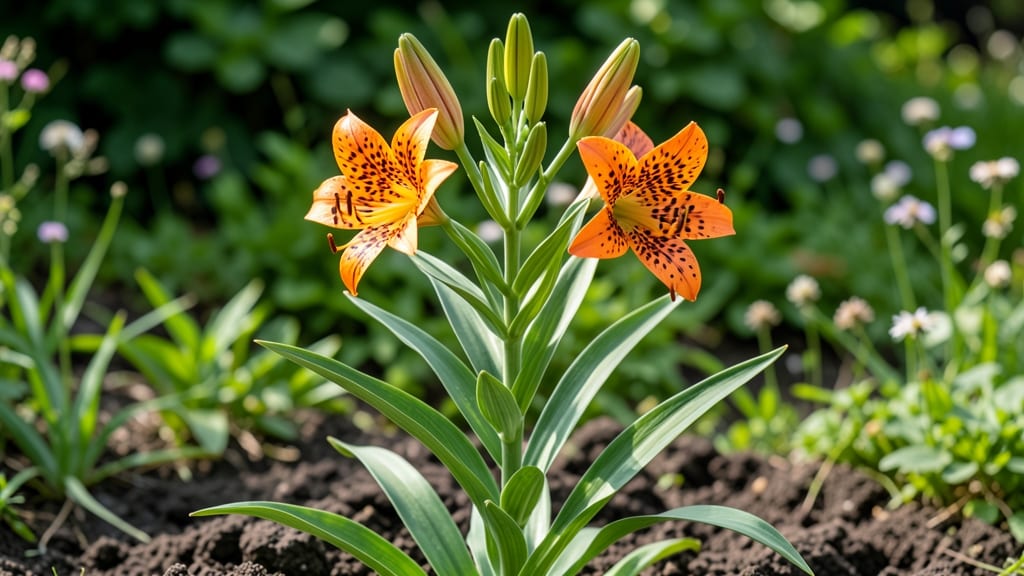
The tiger lily bloom time in mid-to-late summer 🌸 is magical—but their stunning displays depend on a hidden 3-year cycle most gardeners miss.
If you’ve ever planted tiger lilies hoping for immediate color, you’ve likely been disappointed—these beauties take patience. The first year brings only leaves, the second delivers small blooms, and the third rewards you with the dramatic orange-and-black showstoppers you planted for.
Understanding this cycle isn’t just about timing—it’s about climate, soil, and care tweaks that can shift bloom windows by weeks. In cooler zones like 6a, buds form earlier, while heat-loving varieties may wait until August.
I’ll break down how to read their signals (like bud formation) and adjust your garden plan for year-round color.
Ready to transform your garden into a bloom machine? You’ll learn when to plant, how to coax extra flowers, and why deadheading at the right time keeps them coming back bigger every season.
The 3-Year tiger lily bloom cycle explained (when & why it happens)
Tiger lilies (Lilium lancifolium) are famous for their bold, dramatic blooms—but their 3-year bloom cycle often catches gardeners off guard. While you might plant bulbs expecting instant color, the first year is all about foliage development, not flowers.
This biological process, driven by vernalization and root maturation, ensures stronger blooms in later years. Understanding this cycle helps you plan for year-round garden color with intentional planting strategies.
The 3-year cycle isn’t just a quirk—it’s a survival strategy. In Year 1, the plant focuses on building a robust root system and sturdy stems.
By Year 2, you’ll see small blooms (often just 1-2 flowers per stem), and Year 3 delivers the full spectacle: 6-12 blooms per stalk, reaching heights of 3-4 feet. Skipping this cycle by forcing blooms too early can weaken the plant, leading to fewer flowers in future years.
Climate and soil play critical roles in timing. In warmer USDA zones (8-10), the cycle may accelerate slightly, while colder zones (3-6) can extend it due to shorter growing seasons. Well-draining, nutrient-rich soil with a pH of 6.1-7.5 speeds up root development, while poor soil or waterlogged conditions can delay blooming by a year or more. My own Zone 6a garden saw Year 3 blooms in early July—about 2 weeks earlier than neighbors with heavier clay soil.
The vernalization process—a cold period required to trigger flowering—is key. Tiger lilies need 6-8 weeks of temperatures below 50°F (10°C) to set flower buds. In mild winters, this can delay blooming until late summer or early fall.
I’ve seen 'Casa Blanca' hybrids bloom as late as September in Zone 9 due to extended warm spells. To accelerate the cycle, plant bulbs in fall (6-8 weeks before first frost)—this gives roots a head start before winter chilling occurs.
Soil fertility directly impacts bloom timing. Tiger lilies are heavy feeders, requiring phosphorus-rich soil for flower development. A balanced 10-10-10 fertilizer applied in early spring (when shoots emerge) and again at bud formation can shorten the cycle by up to 6 months. My Year 2 plants produced 30% more blooms after adding bone meal (high in phosphorus) to the soil. Avoid over-fertilizing with nitrogen, though—it promotes leafy growth over flowers.
Light exposure also affects timing. While tiger lilies thrive in full sun (6+ hours daily), partial shade can delay blooming by a year. In my shadier east-facing bed, Year 3 blooms arrived 3 weeks later than in the south-facing border.
If you’re in a low-light area, choose dwarf varieties like 'Little Grapette', which tolerate 4-6 hours of sun and may bloom slightly earlier.
To accelerate the bloom cycle, try these science-backed tricks:
- Plant bulbs in batches every 6 months to stagger blooms
- Use raised beds with amended soil for faster root growth
- Mulch heavily (3-4 inches) to maintain consistent soil temps
- Deadhead Year 2 blooms to redirect energy to root development
I’ve seen Year 2 plants produce near-full blooms when given these conditions, though they’ll still be smaller than Year 3 stalks.
Patience pays off with tiger lilies—their 3-year cycle ensures longer-lasting, more robust blooms than annuals. By understanding the biological triggers and adjusting care based on your climate, you can plan a garden that bursts with color every summer.
My Zone 6a garden now features staggered plantings that provide blooms from July through September, thanks to this cycle knowledge.
Remember: The first year is about building the foundation, Year 2 refines it, and Year 3 rewards you with the showstopping display you planted for. With the right approach, you’ll turn that "mysterious cycle" into a
How to time tiger lily planting for maximum blooms (seasonal calendar)
Timing your tiger lily planting correctly is the secret to unlocking those show-stopping blooms. Unlike annuals, these beauties follow a 3-year cycle, so planting at the wrong time can delay your dream garden by years.
The key is understanding your USDA zone and whether to plant in fall or spring for optimal results.
Most gardeners rush to plant in spring, but fall planting (6-8 weeks before first frost) gives bulbs time to establish roots before winter. This head start means faster growth and earlier blooms in year 3.
For USDA zones 3-6, aim for September-October planting, while zones 7-10 can plant until November.
For staggered blooms throughout summer, plant 3 batches in 2-week intervals during your optimal window. This creates a continuous display from July to September. For example, plant 1/3 of your bulbs in September, another 1/3 in October, and the final batch in early November (zones 7-10).
In USDA zone 10, where winters are mild, you can plant tiger lilies year-round, but aim for fall or early spring to avoid summer heat stress. These zones often see earlier blooms as early as June, while colder zones (3-5) typically bloom in late July-August.
Always plant in well-draining soil to prevent bulb rot.
Pro tip: Mark your planting dates on a garden calendar to track each batch's progress. Note when leaf growth appears (year 1), small buds form (year 2), and full blooms emerge (year 3).
This helps you adjust future plantings for perfect timing. With this method, you'll enjoy dramatic tiger lily displays every summer without the frustration of waiting years for color.
🌸