
Flowers
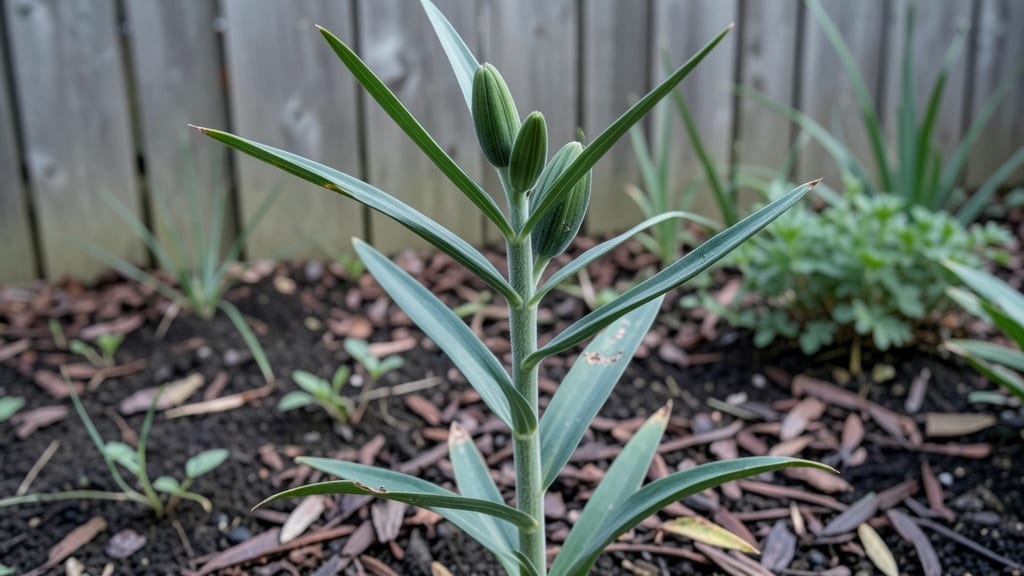
Tiger lilies 🌸 reveal their blooming readiness long before the dramatic orange-and-black showstoppers appear — and knowing what to look for can mean the difference between a showstopping summer display and a disappointing flop.
If you’ve ever wondered how to tell a tiger lily’s growth stages before its blooms emerge, you’re not alone — many gardeners miss the subtle leaf shape changes and stem height milestones that signal maturity.
These clues aren’t just interesting; they’re your early warning system for whether your plant is thriving or struggling.
From lance-shaped leaves to that telltale 3-foot stem height, each stage of pre-bloom growth has specific care needs. Too much water here? You’ll stall development. Not enough sun there?
You’ll delay those iconic flowers by weeks. But get it right, and you’ll be rewarded with bold, healthy blooms that last from July through August.
In this guide, I’ll walk you through exactly how to identify each growth phase, what adjustments to make for optimal health, and the common mistakes that keep tiger lilies from reaching their full potential. Let’s get your garden ready for that showstopping summer display.
How to identify tiger lily growth stages before blooming by leaf shape
Spotting a tiger lily before it blooms can feel like searching for a hidden treasure—until you know what to look for. The leaf shape is your first clue, revealing whether your plant is thriving or struggling.
Early stages feature lance-shaped leaves that grow taller and wider as the plant matures, often with subtle mottled patterns along the edges. These visual cues help distinguish tiger lilies from similar plants like daylilies, which have straighter, more uniform foliage.
When tiger lily seedlings first emerge, their leaves are narrow and pointed, almost like tiny swords. As they grow, these leaves become longer and broader, reaching 12-18 inches by the time blooming season approaches.
The color shift from deep green to slightly variegated edges is another telltale sign of maturity. Ignoring these details might lead you to confuse them with false hellebores or lily-of-the-valley, which have entirely different growth habits.
| Growth Stage | Leaf Shape | Height Range | Key Features |
|---|---|---|---|
| Seedling | Lance-shaped, 2-4 inches | 1-3 inches | Thin, pointed tips; no mottling |
| Early Growth | Elongated, 6-12 inches | 6-12 inches | Slightly broader base; faint mottling |
| Maturing | Oval-lance, 12-18 inches | 18-24 inches | Distinct mottled edges; sturdy stems |
| Pre-Bloom | Broad, 18-24 inches | 24-36 inches | Dark green with prominent mottling; buds forming |
One of the most misunderstood aspects of tiger lily growth is how their leaf arrangement changes as they mature. Young plants display alternate leaves along the stem, while mature plants develop whorled leaves near the top.
This shift is a clear sign your plant is ready to bloom. If you notice yellowing leaves or stunted growth, it could indicate nutrient deficiency or poor drainage, both of which can delay flowering.
Comparing tiger lilies to daylilies is a common point of confusion. While both have striking foliage, daylilies feature straight, sword-like leaves that grow in a fan-shaped pattern from the base. Tiger lilies, on the other hand, have arching stems with leaves that spiral upward.
This difference becomes especially noticeable as the plant reaches 18-24 inches in height, a key milestone for identifying tiger lilies before their blooms emerge.
Pay close attention to the leaf edges—tiger lilies often develop slightly jagged or serrated margins as they mature. This texture, combined with the mottled patterns, sets them apart from other lilies.
If your plant’s leaves remain smooth and uniform, it might not be a tiger lily but something like a cannery lily or stargazer lily, which have their own unique growth characteristics.
Another critical clue is the stem thickness. Healthy tiger lily stems thicken as they mature, providing structural support for the upcoming blooms. If your stems stay thin and weak, your plant may need more sunlight or balanced fertilizer to encourage robust growth.
This is where many gardeners overlook the early signs of stress, assuming the plant is simply growing slowly.
To ensure you’re nurturing a thriving tiger lily, measure your plant’s height every few weeks. A healthy tiger lily should grow 2-4 inches per week during the active growing season. If growth stalls, check for pests like aphids or fungal infections, which can hinder development.
Early intervention—such as neem oil sprays or fungicide treatments—can save your plant from long-term damage.
For container gardeners, leaf shape is even more critical because space is limited. Tiger lilies in pots may show stunted growth if their roots are root-bound. Look for crowded leaves or yellowing at the base, which signal it’s time to repot your plant into a larger container.
This simple step can make a world of difference in pre-bloom development.
As your tiger lily approaches blooming season, the leaf shape will become even more pronounced. The broadest leaves will appear near the top of the stem, just below where
Tiger lily stem height and growth patterns before flowering
Understanding your tiger lily's stem height and growth patterns before flowering helps you gauge its health and predict blooming success. A healthy tiger lily typically reaches 12-18 inches in height by mid-summer, with sturdy stems that support 6-12 inch buds.
If your plant is lagging, it might need adjustments in sunlight, water, or soil nutrition.
Monitoring stem spacing is equally important. Healthy tiger lilies maintain 12-18 inch spacing between stems, allowing each plant to develop strong roots and foliage. Crowded stems compete for resources, leading to stunted growth or weak blooms. I’ve seen this happen when gardeners plant bulbs too closely together in spring.
One of the first signs your tiger lily is thriving is the appearance of lance-shaped leaves that grow alternately along the stem. These leaves should be 6-12 inches long and 1-2 inches wide, with smooth edges.
If your leaves are yellowing or spotting, it could signal overwatering or fungal issues. I once had this problem in a shady spot—moving the plant to full sun solved it.
Pay attention to the stem's firmness and upright posture. A healthy tiger lily stem should feel sturdy and stand straight, even when laden with buds. If stems are flopping or soft, your plant may need support stakes or less water.
I stake my tiger lilies in late spring to prevent them from bending under bud weight.
If your tiger lily isn’t growing as expected, check the soil conditions. These plants thrive in well-draining soil with a pH of 6.1-7.5. Amend heavy clay soil with compost or sand to improve drainage.
I’ve also found that adding a balanced fertilizer (like 10-10-10) in early summer gives my plants the boost they need for strong stems and vibrant blooms.
Finally, observe the bud development timeline. Healthy buds should appear 6-8 weeks before blooming, swelling from pea-sized to golf-ball sized. If buds are small or stunted, it may be due to nutrient deficiency or insufficient sunlight.
I adjust care based on bud size—adding fertilizer or moving the plant to sunnier conditions as needed.