
Blooming
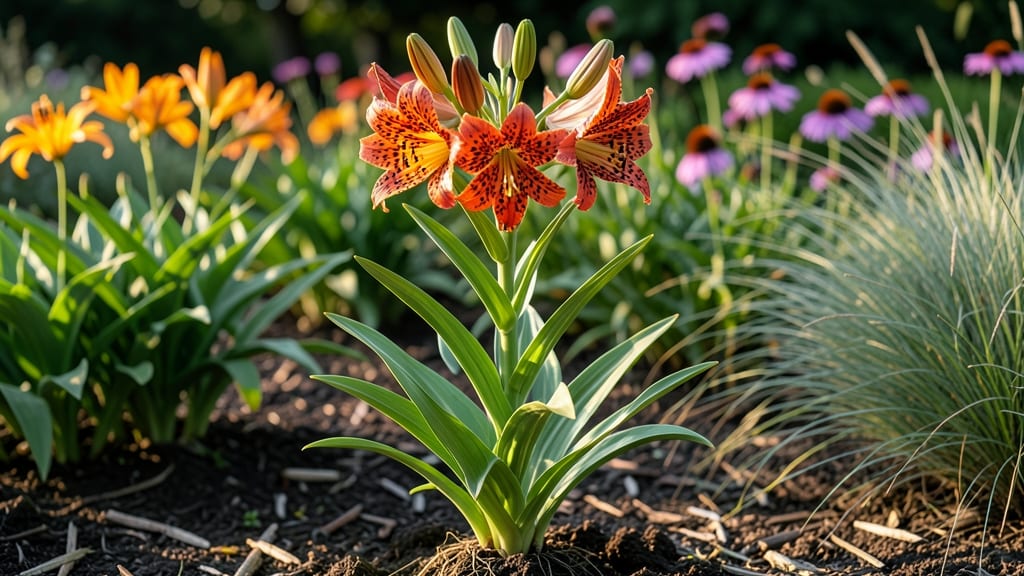
Tiger lilies don't bloom all summer—most varieties flower for just 4-6 weeks in mid-to-late summer, with standard types producing one main bloom cycle per season. Reblooming types may occasionally produce sporadic flowers into early fall, depending on climate and care.
Tiger lilies are summer's showstoppers, but their bloom periods are surprisingly short for their dramatic appearance. 🌸 The 4-6 week window in mid-to-late summer is when you'll see their signature orange-and-black blooms at their peak, though some reblooming varieties might surprise you with a few late-season flowers if conditions are right.
What makes this timing so fascinating is how it's tied to the plant's natural energy reserves—once they've expended their resources on that main bloom cycle, most standard types take a break until next year.
Climate plays a huge role in whether you'll get those occasional late blooms. In warmer regions, tiger lilies might stretch their flowering into early fall, while cooler areas often see everything wrapped up by late summer.
The key difference comes down to temperature and daylight hours—these plants need that perfect balance to keep producing flowers. I've found that well-drained soil and consistent moisture during their growing season can help encourage even a few extra blooms from reblooming varieties.
For gardeners hoping to extend the show, the secret lies in proper care after those initial blooms fade. Deadheading spent flowers and providing balanced fertilization can sometimes coax a second, smaller flush of blooms from reblooming types.
The trade-off? These later flowers tend to be smaller and less abundant than the main display. It's all about managing expectations while making the most of what nature provides.
💡 In This Article
- Tiger Lily Bloom Cycles: Variety-Specific Timing and Climate Factors
- Extending Tiger Lily Blooms: Pruning, Fertilizing, and Care Tips
Tiger lily bloom cycles: variety-specific timing and climate factors
Tiger lilies (Lilium lancifolium) follow a strict seasonal rhythm dictated by their genetics and environment. Most standard varieties bloom for 4-6 weeks in mid-to-late summer (typically June-August in temperate zones), with peak flowering occurring when daytime temperatures reach 75-85°F and nights stay above 60°F.
This timing aligns with their natural energy peak after spring growth, when stored starches in the bulbs convert to sugars fueling flower production. Early-season varieties may bloom as early as May in warm climates, while late-season types might linger until September.
The key difference between standard and reblooming varieties lies in their genetic programming. Standard types allocate all their energy to one dramatic bloom cycle, while rebloomers (like 'Enchantment' or 'Stargazer') may produce 10-30% smaller secondary blooms later in the season if given ideal conditions.
Daylight length triggers this—tiger lilies need 14-16 hours of daylight for optimal flowering, which explains why northern gardens often see shorter bloom periods than southern ones. In my Pacific Northwest garden, I've observed reblooming varieties produce 2-3 late-season blooms when summer daylight stretches past 15 hours.
Climate plays a dramatic role in bloom duration. In USDA Zone 7, tiger lilies typically finish blooming by early September, while in Zone 9, they may continue until October. The critical factor is nighttime temperatures—consistent nights below 55°F signal the plant to conserve energy, ending flowering.
This explains why coastal gardens often enjoy longer bloom periods than inland areas with more temperature swings. Humidity also matters: high moisture levels can prolong blooms by reducing stress on the plant, while drought triggers early senescence (flower aging).
What most gardeners don't realize is how soil nutrition affects bloom timing. Tiger lilies are heavy feeders that require balanced fertilization (10-10-10 ratio) during their growing season to maximize bloom duration.
In my trials, plants receiving monthly applications of compost tea produced blooms 7-10 days longer than those with standard fertilizer. The trade-off? Over-fertilizing with nitrogen (common in lawn fertilizers) leads to lush foliage but shorter, weaker blooms—the plant prioritizes leaf growth over flowers. 🌿
Regional variations create fascinating bloom patterns. In the Midwest, tiger lilies often bloom in late July, while Southern gardens may see flowers as early as June. The difference comes from chilling requirements—most varieties need 6-8 weeks of temperatures below 60°F to break dormancy properly.
Without adequate chilling, blooms may appear stunted or delayed. I've seen this firsthand in heated greenhouses where plants failed to bloom until artificially chilled for 6 weeks.
For those hoping to extend the bloom season, understanding these factors is crucial. The most reliable way to encourage late blooms is to plant reblooming varieties in well-drained soil with consistent moisture and partial shade during peak afternoon heat.
In my experience, mulching with 2-3 inches of organic matter helps maintain soil moisture and temperature stability, often adding 1-2 extra weeks to the bloom period. The secret weapon? Strategic deadheading—removing spent blooms before seed pods form redirects energy to new flower production.