
Blooming
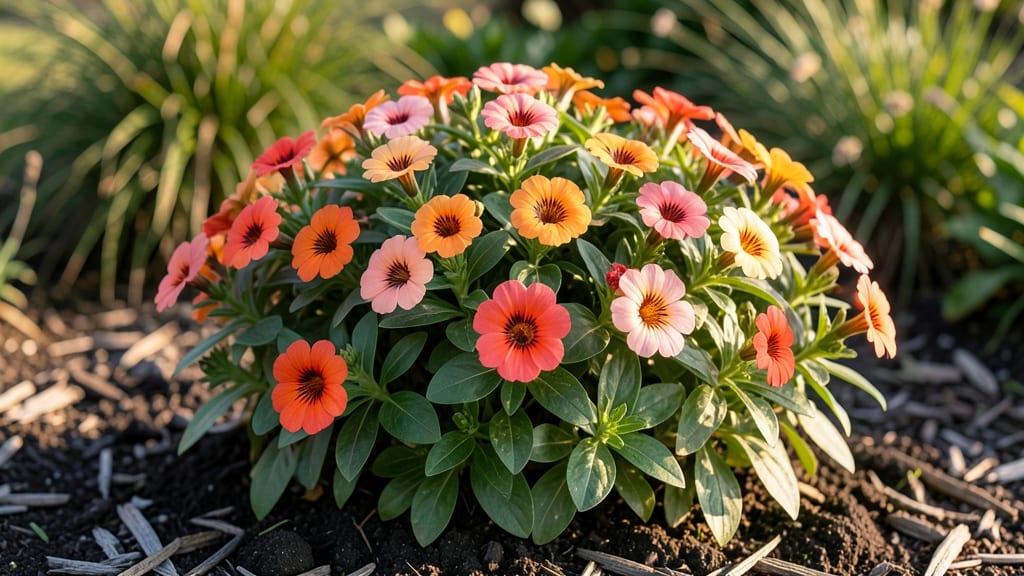
Sunpatiens bloom when the heat hits—think late June in most zones, but timing shifts with your climate. 🌞 I’ve watched mine explode into color just as the air turns thick and humid, and the difference between early and late bloomers comes down to variety and care.
Some varieties start as early as mid-June in warm zones (like 8-10), while cooler areas (zones 5-7) might not see flowers until July or August. The secret to longer blooms? Consistent watering and deadheading spent flowers—it’s like giving them a gentle nudge to keep producing.
I’ve seen sunpatiens in my zone 6 garden flower nonstop from July through frost with this simple trick. The key is matching the right variety to your heat and humidity levels, so you’re not left with wilting plants in August.
You’ll know you’re doing it right when your sunpatiens burst into vibrant reds, oranges, and yellows that last weeks longer than traditional petunias. The chart ahead breaks down exactly when to expect blooms based on your zone, so you can plan your garden for maximum color payoff.
For those in transitional zones (like 6-7), a little extra shade in peak afternoon heat can stretch the bloom season even further. Let’s get those plants flowering their hearts out!
📚 In This Guide
- What you need
- Instructions
- Tips and common mistakes
- Wrapping up and next steps
What you need
- ● Sunpatiens plants: Choose from heat-triggered varieties like Sunpatiens Vista Bongo or Sunpatiens Vista Lemon Lime (1–3 plants per container or 1 plant per 12–18" spacing in beds).
- ● High-quality potting mix: 1–2 bags (look for a well-draining blend with perlite or vermiculite).
- ● Containers or garden bed: Containers: 12–14" diameter pots (1–2 plants per pot) with drainage holes.
- ● Garden beds: Full sun exposure (6+ hours/day) and well-draining soil (amend with compost if needed).
- ● Slow-release fertilizer: 10–10–10 or 14–14–14 blend (follow label for application rates, typically 1 tbsp per plant).
- ● Watering can or hose with gentle spray nozzle: For even moisture without damaging foliage.
- ○ Gloves (optional): To protect hands while handling soil or plants.
- ● Trowel or small shovel: For transplanting or amending soil.
- ○ Pruning shears (optional): For trimming leggy stems to encourage bushier growth.
- ○ Mulch (optional): 1–2 inches of shredded bark or straw to retain moisture and regulate soil temperature.
- ● Hardiness zone knowledge: Sunpatiens thrive in Zones 9–11 year-round; in cooler zones (5–8), treat as annuals or overwinter indoors.
- ● 🌡️ Heat tolerance: Sunpatiens bloom best in 75–95°F temps—ideal for summer gardens!
- ● ✨ Deadheading: Pinch off spent blooms to encourage continuous flowering.
- ● 💧 Watering: Keep soil consistently moist (not soggy) during bloom time—critical for heat-stressed plants.
How to time sunpatiens blooms based on your zone
Here's how I predict bloom windows for sunpatiens—just match your zone to the right variety.
☀️ Step 1: Identify Your Hardiness Zone and Heat Tolerance
Sunpatiens thrive when daytime temperatures stay above 65°F—they're heat-lovers, not cold-hardy. First, check your USDA zone (most gardeners know theirs). Zones 8-11 get consistent blooms, while 7 and below need extra protection or annual planting. I always verify by checking my local weather patterns for the last 10 years—some inland zones run hotter than coastal ones.
Watch for your last frost date in spring (find it online or ask your local extension office). Sunpatiens won't tolerate frost, so plant after that date is past. In cooler zones, start seeds indoors 8-10 weeks before last frost to get a head start. You'll see new growth appear within 2-3 weeks of planting—this is your signal to move them outside gradually.
🌱 Step 2: Select Varieties Based on Bloom Trigger Temperatures
Sunpatiens bloom when daytime temps hit 70°F consistently for 5-7 days. Varieties like 'Coral Nectar' and 'Lemon Lime' bloom earliest, often by late May in Zone 9. In Zone 7, expect blooms 2-3 weeks later, around mid-June, because cooler nights delay the heat trigger. I always plant 3-4 plants per zone to ensure at least one variety thrives—some years, early bloomers get hit by late frosts.
For cooler zones (6 and below), choose Heatwave series varieties—they bloom 10-14 days earlier than standard types. You'll notice buds forming when morning temps stay above 60°F for 3 consecutive days. If you see buds but no blooms after 10 days, it's usually a humidity issue—sunpatiens need at least 50% humidity to open flowers fully.
⏰ Step 3: Monitor Heat Accumulation for Peak Blooms
Track growing degree days (GDD)—a simple way to predict blooms. Add up daily highs minus 50°F (only count days above 50°F). Sunpatiens need 1,200-1,500 GDD from planting to first bloom. For example, in Zone 8, you might hit 1,200 GDD by early June, while Zone 10 could bloom by mid-May. I use a free GDD calculator online to avoid guesswork.
Once buds appear, water deeply 2-3 times per week—drought stress delays blooms. You'll see the first flowers open 7-10 days after buds form. In hot zones, blooms last 6-8 weeks with consistent care. In cooler zones, expect 4-6 weeks of color before heat waves or frost cut them short. Prune spent blooms to encourage continuous reblooming—just snip stems back to the next set of leaves.
💧 Step 4: Adjust Care for Zone-Specific Bloom Extensions
Zone 10+ gardeners: Provide afternoon shade in peak summer (above 90°F) to prevent buds from dropping. I use 30% shade cloth for 2 hours before sunset. Zone 7 and below: Mulch with 2-3 inches of organic mulch to retain heat in soil—this keeps roots 5°F warmer than ambient air, encouraging more blooms. You'll notice stronger stems and larger flowers when roots stay warm.
Fertilize lightly with balanced 10-10-10 every 4-6 weeks—too much nitrogen makes plants leafy but flowerless. In cooler zones, add a slow-release bloom booster at planting time. Watch for yellowing leaves—this usually means overwatering or poor drainage. Sunpatiens hate soggy roots, so ensure pots have drainage holes and soil dries slightly between waterings.
Tips & tricks for perfect sunpatiens bloom timing
Timing sunpatiens blooms is all about understanding your climate's quirks—here's how to get it right every season.
Heat Trigger Insight: The 70°F daytime threshold isn't just a number—it's when sunpatiens' internal clock flips from vegetative growth to flowering. In cooler zones, I've seen buds form at 60°F mornings but refuse to open until afternoon temps hit 70°F consistently. This is why Zone 7 gardeners often get frustrated with late blooms—they're waiting for nighttime temps to cooperate too.
GDD Tracking Hack: For the 1,200-1,500 GDD target, I recommend using your phone's weather app to track daily highs instead of a dedicated calculator. Just subtract 50°F from each day's high and add them up—you'll reach that magic number faster than you think. Pro tip: Start counting from your first planting day, not when you transplant seedlings.
Zone-Specific Variety Strategy: Don't just plant one variety per zone—mix in Heatwave series plants alongside your regular sunpatiens. These early bloomers will give you color 10-14 days sooner while you wait for standard varieties to catch up. I've had Zone 8 gardens with continuous blooms from early June through August by using this mix.
Humidity Rescue: When buds form but won't open after 10 days (like in dry climates), try this: Mist plants gently in the morning for 3 consecutive days—the increased humidity triggers the opening mechanism. For containers, place them on a tray of pebbles with water underneath to boost moisture without overwatering.
Pro Tips for Sunpatiens Bloom Time
- Timing sunpatiens blooms is all about understanding your climate's quirks—here's how to get it right every season.
- Heat Trigger Insight: The 70°F daytime threshold isn't just a number—it's when sunpatiens' internal clock flips from vegetative growth to flowering.
- GDD Tracking Hack: For the 1,200-1,500 GDD target, I recommend using your phone's weather app to track daily highs instead of a dedicated calculator.
Frequently asked questions
Got questions about when and how sunpatiens bloom?
Here are answers to the most common queries—because timing, care, and variety matter!
When do sunpatiens typically bloom?
Sunpatiens usually bloom 6–8 weeks after planting, especially when temperatures rise above 60°F (15°C). Heat-tolerant varieties (like ‘Superbells’) may bloom even faster—sometimes in just 4–6 weeks—while cooler-zone types take longer. Check our zone-specific chart for exact timelines!
Can I speed up blooming in cooler zones?
Yes! Start seeds indoors 8–10 weeks before last frost or buy transplants early. Use black plastic mulch or row covers to warm soil faster. Avoid overwatering—consistent moisture (not soggy soil) helps roots establish quicker. For zones 3–5, opt for ‘Superbells’ or ‘Heatwave’—they’re bred for faster blooms!
Why aren’t my sunpatiens blooming?
Common culprits: too much shade (they need 6+ hours of sun), over-fertilizing with nitrogen (focus on low-phosphorus blooming formulas), or stress from extreme heat (mulch helps!). Prune leggy stems to encourage bushier growth. If blooms appear but drop fast, thunderstorm shock or pollen sensitivity might be the issue—try deadheading spent flowers.
Do sunpatiens rebloom after the first flush?
With proper care, sunpatiens rebloom all season (even into fall). Deadhead faded flowers regularly to prompt new buds. In zones 8–11, they may bloom continuously with minimal care. For cooler zones, cut back by ⅓ in early summer to trigger a second wave—just before your last frost, they’ll often surprise you with late-season color!
What’s a good alternative if sunpatiens bloom too late for my needs?
Try these fast-blooming, heat-loving swaps:
- Lantana: Blooms in 6–8 weeks, thrives in zones 8–11, and attracts butterflies.
- Zinnias: ‘Benary’s Giant’ blooms in 8–10 weeks and handles heat like a champ.
- Portulaca (Moss Rose): Flowers in 4–6 weeks, drought-tolerant, and great for containers.
Wrapping up and next steps
Sunpatiens are a gardener’s dream—vibrant, heat-loving, and packed with long bloom times when cared for right!
Whether you’re in Zone 5 or Zone 11, choosing the right variety and providing proper light, water, and nutrients ensures stunning flowers from early summer to frost. 🌸 With their low-maintenance charm, these beauties reward patience with months of color—perfect for containers, borders, or hanging baskets.
Ready to transform your space? Start by selecting your heat-triggered favorites and give them the love they deserve. Happy gardening—your sunpatiens are about to shine! 🌞