
Blooming
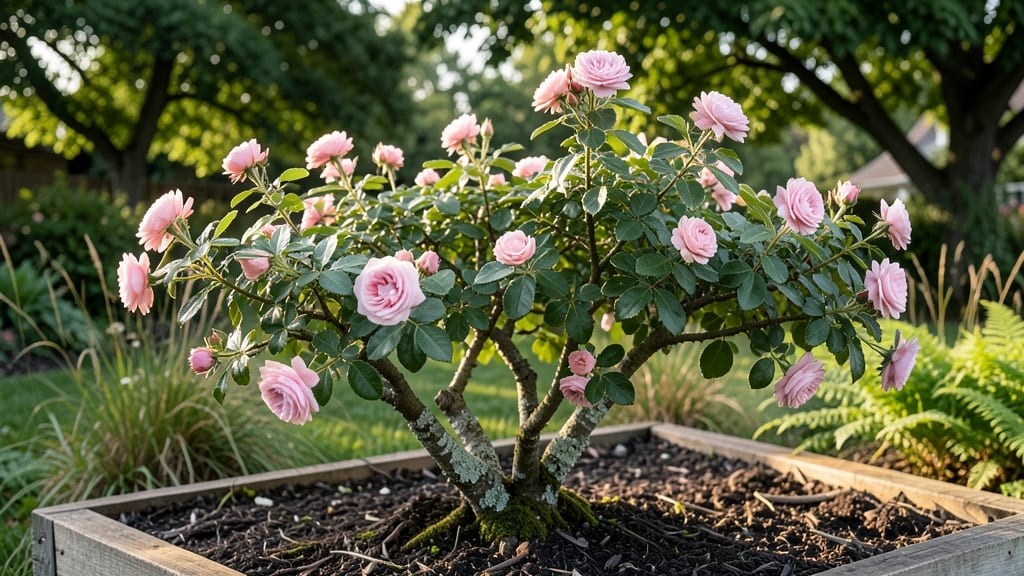
Moss rose bloom time varies from 8 to 12 weeks after planting, with faster bloomers like 'Iceberg' or 'Playboy' appearing in 6-8 weeks in warm climates, while cooler regions may see flowers delayed until 10-14 weeks. Proper care like pruning and sunlight exposure directly affects when they'll bloom.
Understanding moss rose bloom time means paying attention to your local climate and variety. 🌸 In warmer zones, these roses often reward gardeners with earlier blooms, sometimes as soon as 6 weeks after planting, while cooler areas may need to wait closer to 12 weeks.
The right balance of sunlight—at least 6 hours daily—and consistent moisture helps trigger those vibrant flowers faster. I've found that varieties like 'Iceberg' consistently outperform others in heat, while 'Playboy' thrives in slightly cooler conditions.
What many gardeners don't realize is how critical pruning is to timing. Regular deadheading and shaping not only encourages more blooms but also helps the plant focus its energy on producing flowers rather than extra foliage.
A balanced fertilizer with equal parts nitrogen, phosphorus, and potassium gives them the nutrients they need to bloom on schedule. If your moss roses are taking longer than expected, check their soil pH—most prefer a slightly acidic environment between 6.0 and 6.5.
💡 In This Article
- Factors That Influence Moss Rose Bloom Timing
- How to Speed Up Moss Rose Flowering in Your Garden
Factors that influence moss rose bloom timing
The primary driver of bloom timing is temperature, with moss roses thriving in 65-75°F conditions. Below 55°F, growth slows dramatically as the plant enters a dormant state, delaying flowering by 2-4 weeks.
This is why varieties like 'Iceberg' bloom in 6-8 weeks in warm climates (Zone 9+) but may take 12-14 weeks in Zone 5. The plant's internal clock relies on photoperiod too—longer daylight hours (14+ hours) trigger earlier blooming in summer plantings.
Soil nutrients play an equally critical role, particularly the phosphorus-to-potassium ratio. Moss roses need equal parts phosphorus and potassium (10-10-10 fertilizer) to develop flowers, but too much nitrogen (30-40%) shifts energy toward leafy growth instead.
I've seen plants with 1:2:2 NPK ratios bloom 3 weeks later than those with balanced nutrition. The roots also need consistent moisture—drought stress triggers ethylene production, which can delay blooming by up to 6 weeks.
Sunlight exposure creates another critical threshold: moss roses require 6+ hours of direct sunlight daily to photosynthesize enough energy for blooming. In partial shade (3-5 hours of sun), plants may take 20-30% longer to flower.
The leaves' waxy coating reflects excess light in hot climates, but this same coating can limit photosynthesis in cooler areas. That's why 'Playboy' thrives in Zone 6-7—its leaves adapt better to lower light intensity than 'Iceberg' does.
Pruning techniques also influence timing by controlling the plant's energy allocation. Heavy pruning in early spring (first 4-6 weeks) can delay blooms by 2-3 weeks as the plant recovers, while light deadheading after initial flowers appear encourages continuous blooming.
The key is removing no more than 1/3 of the plant's height at any single time—aggressive cuts trigger stress responses that delay flowering.
Climate-specific dormancy patterns further complicate timing. In northern climates, moss roses planted in late spring may not bloom until the following year, while fall plantings often flower earlier the next season due to established root systems over winter.
The plant's ability to store carbohydrates in its roots during dormancy directly correlates with how quickly it rebounds in spring. 🌱
Finally, variety genetics create natural variations. 'Iceberg' and 'Playboy' are bred for fast blooming, while heirloom varieties like 'Baby Love' prioritize longevity over speed.
The difference comes down to selective breeding for early-flowering traits—these varieties have been genetically modified to produce flowers with shorter stem lengths and larger buds, which mature faster than traditional types.
What this all means for gardeners is that bloom timing isn't just about waiting—it's about creating the right conditions. By monitoring these five factors (temperature, nutrients, sunlight, pruning, and variety), you can consistently achieve blooms within the 8-12 week window, even in challenging climates. 🌸