
Blooming
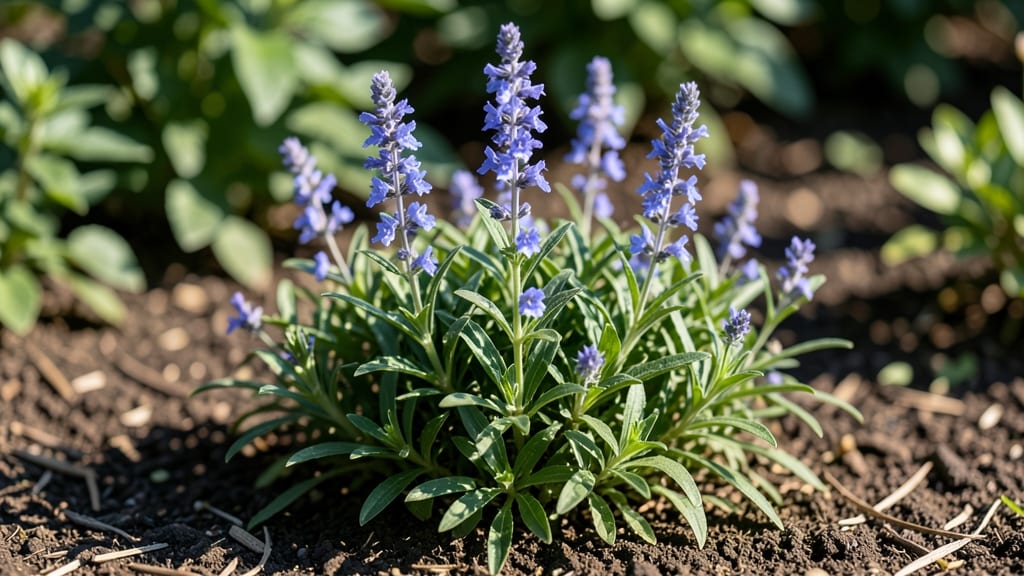
Extending the speedwell bloom time is easier than you think—late spring through summer blooms can last months longer with the right pruning tricks.
Picture this: you plant your speedwell in March, and by June, the flowers are already fading—just as the season’s supposed to peak. The reason?
Most people don’t realize that a little strategic pruning can turn a one-time burst of color into a prolonged display, sometimes even triggering a second bloom cycle.
Whether you’re growing annual or perennial varieties in USDA Zone 6a, the key lies in understanding when and how to trim.
Sunlight, soil, and even your local climate play a role, but the biggest game-changer is timing your cuts right—before the plant puts all its energy into seeds instead of flowers.
In this guide, I’ll walk you through the exact pruning steps to extend your speedwell’s bloom time naturally, from deadheading spent blooms to the bold move of hard pruning in late summer. No fancy tools or chemicals—just smart cuts that keep your garden bursting with color all season long.
Understanding speedwell bloom cycles and natural pruning triggers
Speedwell plants (Veronica spp.) follow a predictable bloom cycle that most gardeners miss, leading to short-lived flowers. These hardy perennials typically bloom in late spring to early summer, but with the right timing, you can encourage second or even third flushes of vibrant blooms.
The key lies in understanding their natural growth patterns and seasonal triggers.
Speedwell thrives in USDA hardiness zones 3-9, making it adaptable to most climates. However, light requirements play a crucial role in bloom timing. Full sun (6+ hours daily) produces the most abundant flowers, while partial shade may delay or reduce blooming.
Even in ideal conditions, speedwell plants often bloom heavily for 4-6 weeks before fading—unless you intervene with strategic pruning.
The natural pruning trigger for speedwell is tied to seasonal temperature shifts and daylight changes. As summer heat intensifies, many gardeners assume the plant is done blooming, but this is often when second-flush blooms can be stimulated.
The challenge is recognizing the overgrowth signals that indicate it's time to prune—such as leggy stems or yellowing leaves.
| Bloom Stage | Seasonal Trigger | Pruning Window | Expected Outcome |
|---|---|---|---|
| First Bloom | Late spring (May) | After blooms fade (June) | Stimulates second flush |
| Second Bloom | Early summer (July) | After second flush (August) | Encourages compact growth |
| Late Summer Slump | Heat stress (August-Sept) | Light trim in early Sept | Prevents legginess |
| Dormancy Prep | Cooling temps (Oct) | Minimal pruning (Nov) | Healthy spring regrowth |
The biological bloom cycle of speedwell begins with a spring flush triggered by increasing daylight and warming soil. Most varieties peak in late May to early June, but the real secret to extended blooms is understanding that speedwell responds to stress-induced regrowth.
When you prune after the first bloom, you're essentially telling the plant, "It's time to put out new growth—and new flowers!"
Light requirements directly influence bloom timing. Speedwell grown in partial shade may bloom later or less vigorously, while those in full sun often produce three distinct bloom periods across the season. Pay attention to leaf color: dark green, healthy leaves indicate the plant is ready for pruning, while yellowing or wilting suggests stress or disease.
One common mistake gardeners make is pruning too late in the season. By mid-August, speedwell plants are preparing for dormancy, and heavy pruning can stunt next year's blooms. Instead, focus on light pruning in early September to remove only the most leggy stems.
This natural pruning trigger helps the plant redirect energy to root development rather than excessive top growth.
The optimal pruning window for most speedwell varieties is June and September. After the first bloom cycle fades, cut back stems by one-third to encourage bushier growth. Repeat this process after any subsequent blooms.
For perennial varieties, a final light trim in November helps shape the plant for winter and promotes earlier spring regrowth.
Identifying overgrowth signals is crucial for timing your pruning correctly. Watch for stems growing taller than 18 inches, leaves crowding out flowers, or bare stems at the base.
These are clear signs your speedwell needs pruning. The goal is to maintain a balanced shape while encouraging continuous flowering throughout the season.
Remember, speedwell's natural pruning triggers are tied to seasonal changes, not just bloom cycles. By aligning your pruning with these biological cues, you'll maximize both bloom time and plant health.
Start with light pruning after the first flush, then adjust based on the plant's response—your speedwell will reward you with longer, more abundant blooms all season long! 🌸
Step-by-step pruning guide to extend speedwell bloom time
Speedwell (Veronica spp.) thrives when you prune strategically to encourage longer bloom seasons. Most gardeners miss the optimal timing—cutting too early or too late can shorten flowering. The key is understanding seasonal triggers like leaf color shifts and stem growth patterns.
With the right approach, you can push blooms from one season to two or even three!
Pruning speedwell isn’t just about trimming—it’s about stimulating regrowth. When done correctly, you’ll see denser foliage and prolonged flowering. Start by identifying the right tools (clean, sharp bypass pruners) and the best seasons (spring vs. summer).
Below, I’ll walk you through the exact steps to maximize your speedwell’s potential.
🌿 Step-by-Step Pruning for Extended Blooms
- 1 Spring Pruning (Early March-April): Cut back 1/3 of the plant’s height to remove weak stems and encourage new growth. Focus on woody or leggy branches first. Use sterilized pruners to prevent disease.
- 2 Deadheading (May-July): Pinch off spent blooms regularly to redirect energy to new flowers. Use your fingers or small pruners—no need for heavy tools. This step alone can double bloom time in perennial varieties.
- 3 Summer Light Pruning (August): Trim overly dense areas to improve air circulation. Look for yellowing leaves or crowded stems—these are signs your plant needs space. Avoid cutting more than 10-15% of the plant at once.
- 4 Post-Bloom Hard Pruning (September): After the final flush of flowers, cut back all stems to 2-3 inches above the ground. This rejuvenates the plant for next year’s growth. Mulch afterward to protect roots during winter.
-
5
Tool Checklist:
- ✂️ Bypass pruners (for clean cuts)
- 🧼 Rubbing alcohol (to sterilize tools)
- 🌱 Garden gloves (to protect hands)
- 🪴 Sharp scissors (for deadheading)
Pro Tip: Always prune on a dry, sunny day to reduce disease risk. Water your speedwell 24 hours before and after pruning for faster recovery. 🌞
Timing your pruning to match speedwell’s natural growth cycle is crucial. For example, spring pruning triggers early blooms, while summer deadheading extends the season. Watch for leaf color changes—yellowing foliage signals it’s time to prune.
In USDA Zone 6a, aim to finish pruning by mid-September to avoid winter damage.
One common mistake is over-pruning in late summer, which can stunt new growth. Instead, focus on selective trimming to maintain shape and health. For annual speedwell varieties, prune lightly throughout the season to encourage continuous blooming.
Perennials, however, benefit most from hard pruning in fall to rebuild energy stores.
With these techniques, your speedwell can bloom up to 3 months longer than average. Start with spring pruning, then maintain with regular deadheading. Before you know it, your garden will be a non-stop floral display from early spring to late fall! 🌸