
Blooming
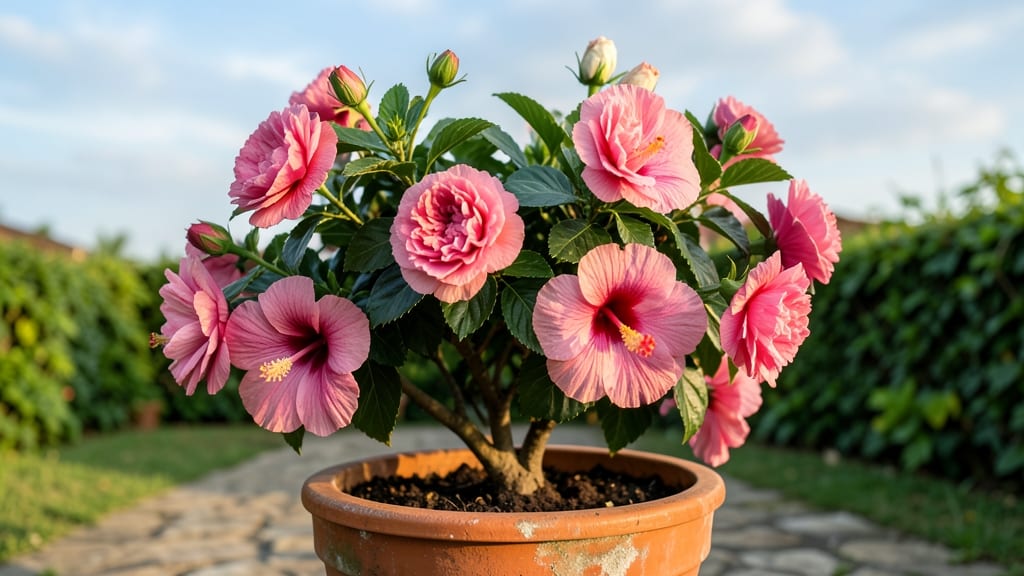
Double bloom hibiscus plants turn your garden into a year-round tropical paradise with minimal effort—just sunlight, water, and a little patience. 🌺 I've grown these stunning shrubs for years, and the secret to their nonstop blooms isn't complicated: they thrive in warm climates but adapt beautifully to containers for cooler zones, as long as you bring them inside before frost.
The key to double blooms lies in well-draining soil and regular watering—never soggy roots—paired with light pruning to shape the plant and encourage new growth.
Most varieties like 'Dwarf Red' or 'Lilac Chiffon' bloom continuously when given the right care, and their velvety petals come in every color from crimson to pure white. What you'll end up with is a lush, flowering centerpiece that attracts hummingbirds and stays vibrant for months.
The flowers even last longer when cut fresh—perfect for bouquets that look like they came from a florist. Works equally well in ground plantings, large pots, or even as a striking houseplant during winter. Here's how to keep yours blooming all season long.
📚 In This Guide
- What you need
- Instructions
- Tips and common mistakes
- Wrapping up and next steps
What you need
- ● Double Bloom Hibiscus Plant: 1 healthy specimen (seedling, cutting, or nursery-bought, aged 6+ months for best blooms).
- ● Well-draining potting mix: 5–10 gallons (adjust based on pot size). Use a blend of peat moss, perlite, and garden soil (ratio: 2:1:2).
- ● Pot or garden bed: For containers: 15–20 gallon pot with drainage holes (terracotta or fabric pots preferred).
- ● For garden planting: Full-sun spot (6+ hours/day) with loose, fertile soil (pH 6.0–7.0).
- ● Fertilizer: Balanced liquid fertilizer (10-10-10 or 20-20-20), 1–2 tbsp per gallon of water.
- ○ Slow-release granules (optional): 1 cup per plant, applied monthly.
- ● Pruning shears: Sharp, sterilized shears (for minimal trimming).
- ● Mulch: 2–3 inches of organic mulch (straw or wood chips) to retain moisture.
- ● Epsom salt: 1 tbsp dissolved in water (monthly spray for magnesium boost).
- ● Plant support: Stake or trellis (if growing tall varieties).
- ● Humidity tray: For indoor plants (pebbles + water to mimic tropical conditions).
- ● Growth regulator: (e.g., B9) to encourage double blooms (follow label instructions).
Step-by-Step guide to encouraging double blooms in hibiscus plants
Here's how I coax my hibiscus into year-round flowering with smart pruning and care.
🌱 Step 1: Select a Sunny, Sheltered Location
Hibiscus crave 6-8 hours of direct sunlight daily—south-facing spots work best in most climates. I always test my location first by watching how shadows move across the garden. If your spot gets afternoon shade, supplement with a grow light for 4-6 hours in the evening to extend daylight.
Choose a spot protected from strong, consistent winds. Hibiscus blooms are delicate and can tear easily. You'll notice the difference immediately: plants in sheltered spots develop thicker stems and larger flowers. If you're container growing, place pots where they won't rock in breezes.
☀️ Step 2: Water Deeply and Consistently
Hibiscus roots need 1-2 inches of water weekly, but they hate soggy soil. I water deeply in the morning, letting the water soak down to 6 inches deep. The soil should feel damp but not waterlogged when you check with your finger. Overwatering causes yellowing leaves and dropped buds—both signs your plant is stressed.
For potted hibiscus, I use the "soak-and-dry" method: water until it runs freely from the drainage holes, then wait until the top 2 inches of soil feel dry before watering again. Mulching with 2-3 inches of organic mulch helps retain moisture and regulate soil temperature.
✂️ Step 3: Prune Strategically After Each Flowering Cycle
The key to double blooms is pruning right after flowers fade. I cut back stems to just above a leaf node where 3-4 healthy leaves remain. This encourages new growth from lateral buds, which will develop into more flowers. Never prune into old wood—you'll sacrifice next year's blooms.
Use clean, sharp pruners to make cuts at a 45-degree angle just above an outward-facing leaf. This prevents water from pooling on the cut and reduces disease risk. After pruning, I fertilize lightly with a balanced 10-10-10 formula to support new growth.
🌿 Step 4: Feed Regularly for Continuous Blooms
Hibiscus are heavy feeders, especially when blooming. I fertilize every 2-3 weeks during growing season with a low-nitrogen, high-phosphorus formula (like 5-10-5) to promote flowering. In cooler months, I switch to a balanced fertilizer to maintain plant health without encouraging late-season growth that won't harden off before frost.
I always water before fertilizing to prevent root burn. You'll see the difference in just a few weeks: plants fed properly develop more blooms and larger, more vibrant flowers. Avoid high-nitrogen fertilizers—they encourage leafy growth at the expense of flowers.
⏰ Step 5: Protect from Frost and Winter Chill
Most hibiscus are tropical and need protection when temperatures drop below 40°F. I bring potted plants indoors to a sunny window or under grow lights. For in-ground plants, I mound 4-6 inches of mulch around the base and cover with frost cloth on nights below 35°F.
Even in mild winters, hibiscus benefit from reduced watering. Let the soil dry slightly between waterings and avoid fertilizing. You'll see new growth in spring as temperatures rise—this is your signal to resume regular care and get ready for another blooming season.
Tips & tricks for year-round hibiscus blooms
Here's what nobody tells you about keeping hibiscus flowering nonstop—without the guesswork.
Light Optimization: The 6-8 hours of sunlight is non-negotiable, but timing matters just as much. Position your hibiscus to catch morning sun first—this helps prevent afternoon wilting in hot climates. If using grow lights for that 4-6 hour supplement, place them 12-18 inches above the plant to mimic natural light intensity. I've seen plants double their bloom count just by adjusting this timing, especially in cloudy seasons.
Pruning Precision: When you're cutting back to 3-4 healthy leaves in Step 3, look for leaves that are facing outward on the stem. These are your growth engines—they'll produce the new shoots that become flower buds. I always make my cuts just above a leaf node where you can see a tiny bump (the lateral bud). This small detail makes all the difference in how quickly your plant rebounds with new blooms.
Fertilizer Timing: The 2-3 week feeding schedule works, but I've found that hibiscus respond best when fertilized right after pruning. This gives the new growth a nutrient boost exactly when it needs it. For the 5-10-5 formula, I mix it with water at half-strength—this prevents root burn while still delivering the phosphorus boost that triggers flowering. The key is consistency: never skip a feeding once you start the schedule.
Winter Transition: When temps drop below 40°F, don't just move plants indoors—acclimate them first. Over a week, gradually reduce watering and move them to a cooler spot (around 55°F) before bringing them inside. This mimics natural seasonal changes and prevents shock. For in-ground plants, that 4-6 inches of mulch is your best friend—it insulates roots while keeping soil temperatures stable, which is crucial for preventing winter dieback.
Pro Tips for Double Bloom Hibiscus Plant
- Here's what nobody tells you about keeping hibiscus flowering nonstop—without the guesswork.
- Light Optimization: The 6-8 hours of sunlight is non-negotiable, but timing matters just as much.
- Pruning Precision: When you're cutting back to 3-4 healthy leaves in Step 3, look for leaves that are facing outward on the stem.
Frequently asked questions
When will my double bloom hibiscus start flowering?
A healthy double bloom hibiscus typically begins producing flowers 6–12 months after planting, depending on growing conditions. With proper care—like full sun (6+ hours daily) and balanced fertilizer—you may see blooms as early as spring or summer of the first year. Patience is key!
Can double bloom hibiscus survive winter?
In cold climates (below 20°F/-7°C), these plants need winter protection. Mulch the base, wrap the pot (if container-grown), or move potted plants indoors near a sunny window. In warmer zones (USDA 9–11), they thrive year-round with minimal care. Always check your local frost dates!
How much pruning is really "minimal" for double blooms?
"Minimal" means light shaping in late winter to remove dead wood and encourage new growth. Avoid heavy pruning—double blooms thrive on established branches. Trim only 10–15% of the plant annually, focusing on crossing branches or leggy stems. Over-pruning can reduce flowering!
What if my hibiscus isn’t blooming? Troubleshooting tips.
Check these common issues:
- Not enough sun: Move to a sunnier spot (6+ hours of direct light).
- Over-fertilizing: Too much nitrogen = leafy growth, no flowers. Use a low-nitrogen, high-phosphorus bloom booster instead.
- Stress: Sudden temperature drops or drought can halt blooms. Keep soil consistently moist (but not soggy).
- Age: Young plants (under 1 year) may focus on growth first.
Are there dwarf varieties of double bloom hibiscus?
Yes! If space is limited, consider ‘Dwarf Red’ or ‘Lilacina’ varieties, which grow 4–6 feet tall (vs. 8–12 feet for standard types). These still produce stunning double blooms but fit smaller gardens or containers. Just ensure they get adequate sunlight—even dwarfs crave it!
Wrapping up and next steps
Growing a double bloom hibiscus plant is a rewarding way to enjoy vibrant, year-round color with surprisingly little effort! 🌺 With the right care—like proper sunlight, balanced watering, and minimal pruning—you’ll unlock lush blooms that steal the show.
Whether you’re a gardening pro or just starting, this beauty is your ticket to a stunning, low-maintenance landscape.
Ready to dive in? Start by selecting your favorite variety and give your hibiscus the love it deserves—your garden (and neighbors!) will thank you. Happy planting! 🌿