
Blooming
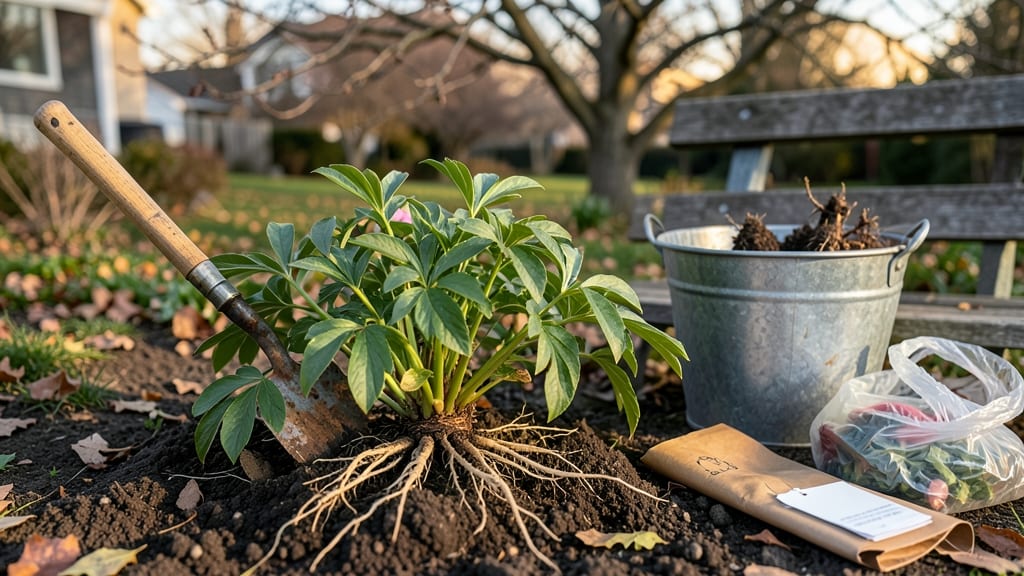
You can save peonies to bloom later in the season with a simple heat-triggered trick—if you time it just right. ✨ I learned this after watching my first flush fade early, only to see tiny buds form again in late summer, just when I'd given up hope.
The key isn't forcing blooms but working with the plant's natural rhythm when days grow longer and soil stays warm.
You'll need sharp pruners (sterilized with rubbing alcohol), a sunny spot with well-draining soil, and patience—this isn't a quick fix but a long-term strategy. The magic happens when you let the first blooms fade naturally, then give the plant a second chance by removing spent stems at the right time.
Most gardeners stop at deadheading, but this technique extends the season by weeks.
By late July or early August, you'll spot those tiny buds forming again—often smaller but just as fragrant. The blooms arrive later in the season when many other flowers have already faded, giving your garden a second burst of color.
My peonies now produce a second flush every year, and neighbors ask how I keep them blooming so long.
This works best in zones 3-8 where summer heat lingers, but even cooler climates can coax a second flush with proper care. The trick is balance: don't prune too early, don't over-fertilize after the first bloom, and always leave the foliage until it yellows naturally.
Here's how to time it perfectly for your garden.
📚 In This Guide
- What you need
- Instructions
- Tips and common mistakes
- Wrapping up and next steps
What you need
- ● Mature peony plants (3–5 years old for best results; ensure they’ve bloomed at least once).
- ● Pruning shears or sharp scissors (sterilized with rubbing alcohol to prevent disease).
- ● Garden twine or plant ties (for securing stems if needed).
- ○ Heat source (optional but key for triggering blooms)**: Heat mat (10–15 watts per square foot) or
- ● Incandescent light bulb (40–60W) in a grow light setup.
- ● Thermometer (to monitor temperatures between 60–70°F (15–21°C)).
- ● Watering can or hose with gentle spray nozzle (for hydration without disturbing roots).
- ● Compost or well-draining potting mix (if repotting; avoid heavy clay soils).
- ● Growth regulator spray (like Kelpak or Seaweed Extract) to boost root health.
- ● Clear plastic tent or greenhouse cover (to trap heat if using outdoor methods).
- ● Journal or labels (to track cutting dates and blooming progress).
- ● Floral preservative (for cut second-flush blooms).
How to encourage a second bloom from your peonies
Peonies can surprise you with a second flush of blooms—here's how to trigger it the right way.
☀️ Step 1: Understand the Heat Trigger
Peonies naturally produce a second bloom when they experience a hot summer day (above 85°F) followed by a cool snap (below 70°F). This temperature shift signals the plant to push new buds. If your summers stay mild, you'll need to help them along with a simple trick.
Look for the first flush of blooms in late spring—this is your starting point. After they fade, watch for new buds forming at the base of the stems. If your area rarely hits 85°F, you can simulate the heat trigger by moving potted peonies to a sunny spot for a few days, then bringing them back to cooler conditions.
💧 Step 2: Water Strategically After First Blooms Fade
Once the first flowers wilt, reduce watering by half for 2-3 weeks. This stress period helps the plant redirect energy toward forming new buds. You'll notice the foliage may look slightly wilted, but don't panic—this is normal and necessary for the second flush.
After those 2-3 weeks, return to regular watering (about 1 inch per week). Keep the soil moist but not soggy—peony roots need airflow to prevent rot. You'll see new shoots emerge from the base of the plant, signaling that the second bloom cycle has begun.
✂️ Step 3: Prune Wisely to Encourage New Growth
After the first blooms fade, cut stems back to 2 inches above the ground—but only after they've fully browned. This prevents disease and removes spent blooms that would drain energy. Avoid cutting green stems, as this removes potential second-flush buds.
Leave the healthy, green foliage intact until it naturally yellows in late summer. The leaves photosynthesize and store energy for next year's blooms. You'll notice new shoots forming at the base of the plant around mid-to-late summer, which will develop into your second flush.
🌱 Step 4: Feed and Protect for Maximum Blooms
Apply a balanced fertilizer (10-10-10) in early summer, about 4-6 weeks after the first bloom. This gives the plant nutrients to support both the second flush and next year's growth. Avoid high-nitrogen fertilizers—they promote leafy growth at the expense of flowers.
Protect your peonies from late-season pests like Japanese beetles, which can defoliate the plant and weaken its ability to produce a second flush. A light layer of mulch (2-3 inches) also helps regulate soil temperature and retain moisture, creating ideal conditions for bud formation.
⏰ Step 5: Time the Second Flush for Late Summer
The second flush typically appears 6-8 weeks after the first, often in late July or August. You'll see smaller blooms than the first flush, but they're just as fragrant. Watch for buds forming at the base of the plant—these are your second-flush blooms in waiting.
If your peonies don't produce a second flush, don't be discouraged. Some varieties are single-bloomers, while others need hotter summers or older plants (3-5 years) to reliably produce a second flush. With patience and the right conditions, you'll unlock this hidden secret of peonies.
Tips & tricks for encouraging peony second blooms
Here's what nobody tells you about making peonies rebloom—these secrets work even in mild climates.
Heat Trigger Timing: The key to triggering that second flush is creating a 10°F+ temperature swing—from above 85°F to below 70°F. If your summers rarely hit 85°F, try moving potted peonies to a sunny patio or garage for 3-4 days to simulate the heat. Watch for buds forming at the base of the plant after this heat treatment—this is your signal that the magic is working.
Stress Management: That 2-3 week water reduction after the first blooms fade isn't about neglect—it's strategic stress. Think of it like a diet for your plant: cutting back forces energy toward root and bud development instead of leafy growth. Just don't let the soil dry out completely, or you'll shock the plant beyond recovery. The slight wilting you'll see is normal and necessary!
Pruning Precision: The 2-inch cut after stems brown is critical—any lower risks damaging next year's buds, while higher leaves the plant vulnerable to disease. I've learned this the hard way: cutting too early (when stems are still green) removes potential second-flush buds entirely. Wait until stems are completely brown and crispy before pruning.
Fertilizer Timing: That 10-10-10 fertilizer should go on 4-6 weeks after first blooms, not immediately. This timing gives the plant time to recover from flowering and redirect energy toward new buds. Too early, and you'll get more leaves than blooms. Pro tip: Side-dress with compost instead of fertilizer if your soil is already rich—sometimes less is more!
Pro Tips for Saving Peonies To Bloom Later
- Here's what nobody tells you about making peonies rebloom—these secrets work even in mild climates.
- Heat Trigger Timing: The key to triggering that second flush is creating a 10°F+ temperature swing—from above 85°F to below 70°F.
- Stress Management: That 2-3 week water reduction after the first blooms fade isn't about neglect—it's strategic stress.
Frequently asked questions
How do I know if my peonies are ready to be saved for a second flush?
Look for fully mature blooms that have faded but still have green foliage. The buds should feel firm (not woody or dried out). Avoid saving blooms with brown stems or yellowing leaves—these won’t respond well to heat treatment. Pro tip: Test one bloom first to check its health before committing to the whole plant!
What’s the best time of year to trigger a second flush?
The ideal window is late summer to early fall (August–September in most U.S. zones). Wait until after the first flush has fully faded but before frost hits. If you live in a warm climate, aim for after a heatwave (85°F+ for 3–5 days) to mimic natural triggers. Troubleshooting: If temps drop below 50°F, delay until conditions stabilize.
Can I use artificial heat (like a heat lamp) if my climate isn’t hot enough?
Yes! Place a low-wattage heat lamp (60–75W) 12–18 inches above the plant for 4–6 hours daily. Keep it consistent—fluctuating temps confuse the plant. Avoid direct contact with leaves to prevent burns. Alternative: Move potted peonies to a sunny greenhouse or car (with ventilation) on hot days.
Why did my peonies refuse to rebloom after heat treatment?
Common culprits:
- Improper timing: Too early (buds not mature) or too late (frost approaching).
- Stress: Overwatering, pests (aphids!), or recent transplanting.
- Variety limits: Some peonies (like Paeonia lactiflora) rarely rebloom—check your type!
- Heat shock: Sudden extreme temps (e.g., 100°F+). Gradual warming works best.
Fix it: Prune dead blooms, fertilize lightly, and retry next season with adjusted timing.
Do I need to fertilize peonies before attempting a second flush?
Yes! Use a balanced fertilizer (10-10-10) or low-nitrogen option (5-10-10) 2 weeks before heat treatment. Avoid high-nitrogen feeds—these promote leafy growth over blooms. Bonus: Add compost or bone meal in spring to boost phosphorus (key for flowers).
Wrapping up and next steps
Saving peonies to bloom later is a rewarding way to extend their beauty and enjoy their stunning flowers well beyond their first flush! 🌸 By following the right techniques—like proper pruning, heat management, and timely care—you can coax a second flush of blooms that’ll brighten your garden even more.
Now that you’re armed with the secrets, why not give it a try? Start by monitoring your peonies this season and experiment with the methods that work best for your climate. Happy gardening, and may your peonies reward you with a spectacular second show! 🌿