
Blooming
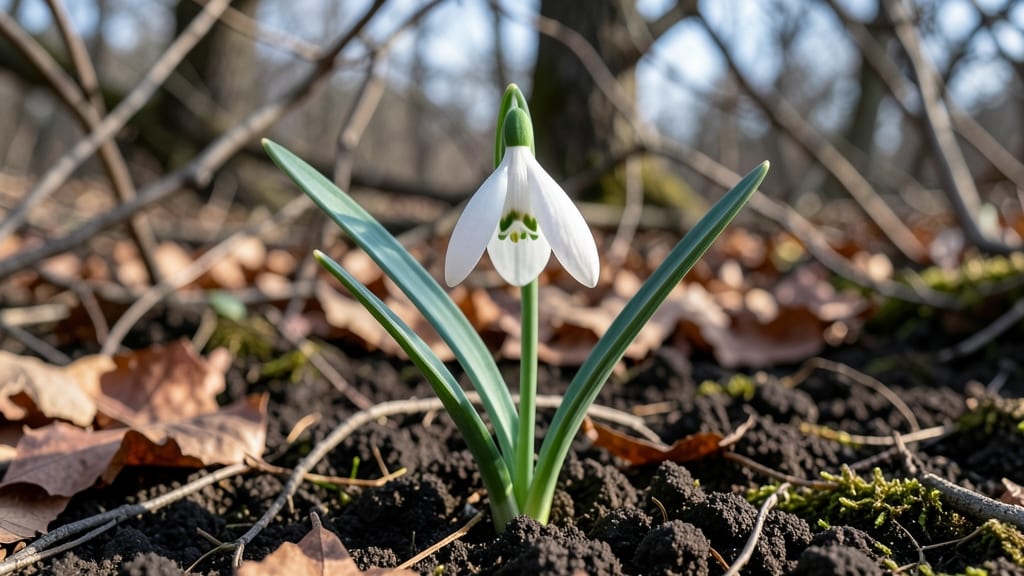
Snowdrops bloom time is nature’s secret calendar—pushing through frozen soil as early as January in mild climates or waiting until February in colder zones. 🌱 I’ve watched them defy winter’s grip, their delicate white bells nodding in the chill, often before daffodils even think about waking up.
The timing depends on your hardiness zone and the specific variety, but one thing’s certain: they’re the first sign spring is coming. These hardy perennials thrive in partial shade, making them perfect for under trees or along north-facing walls where other plants struggle.
The earliest bloomers, like Galanthus nivalis, often appear in late January to early February in Zone 7, while later varieties might wait until March in colder regions. Planting them in fall gives their roots time to establish, ensuring they’ll be ready to bloom when the weather turns crisp.
The real magic happens when you plan your garden around them. Use snowdrops as a companion plant for early bulbs like crocuses or winter aconites—their staggered blooms create a mesmerizing cascade of color. Their fragrance, though subtle, adds a fresh, almost almond-like scent that lifts the winter blues.
For gardeners in Zone 5 or colder, focus on varieties like Galanthus elwesii or Galanthus plicatus—they’re tougher and often bloom a bit later when the ground is still frozen.
The key is patience: these little harbingers of spring reward you for waiting, turning even the bleakest winter days into something hopeful.
📚 In This Guide
- What you need
- Instructions
- Tips and common mistakes
- Wrapping up and next steps
What you need
- ● Snowdrop bulbs (Galanthus spp.): Quantity: 5–20 bulbs (depending on desired coverage)
- ● Type: Galanthus nivalis (classic white) or varieties like Galanthus elwesii (larger blooms)
- ● Size: Small to medium (1–2 inches in diameter)
- ● Well-draining soil: Type: Sandy loam or loamy soil with 50–70% organic matter (amend with compost if needed)
- ● pH: 6.0–7.0 (slightly acidic to neutral)
- ● Mulch: Type: 2–3 inches of organic mulch (e.g., shredded bark, leaf mold, or straw)
- ● Hand trowel or bulb planter
- ● Garden fork (for loosening soil)
- ● Watering can or hose with gentle spray nozzle
- ○ Optional: Soil pH test kit (to verify acidity levels)
- ● Planting window: Fall (September–November) for spring blooms
- ● Location: Partial to full shade (dappled sunlight is ideal)
- ● Moisture: Consistently moist but not waterlogged soil
- ○ Optional: Companion plants like hellebores or ferns (for a layered look)
How to time snowdrop blooms for peak early winter beauty
Here's how I predict and encourage snowdrop blooms to arrive reliably each year—no guesswork involved.
🌱 Step 1: Understand Snowdrop Dormancy and Growth Cycles
Snowdrops (Galanthus) bloom in late winter because they grow from bulbs that require a 12-16 week cold period to trigger flowering. This dormancy mimics their natural woodland habitat where they experience freezing temperatures followed by gradual thaw. I plant mine in fall (October-November) so they get their required cold exposure before blooming.
Watch for first green shoots in late fall—these are the plant's way of telling you it's storing energy for next year's flowers. If your climate has mild winters, consider a winter mulch layer (3-4 inches) to ensure proper chilling. The key is patience: snowdrops won't bloom until they've completed this cold stratification process.
☀️ Step 2: Position for Winter Sun and Spring Light
Snowdrops thrive in partial shade (4-6 hours of morning sun), which prevents leaf scorch while still allowing enough light for photosynthesis. I plant mine under deciduous trees where they get dappled sunlight in winter and filtered light in summer. This mimics their native woodland conditions perfectly.
Here's the thing—snowdrops need consistent moisture during their growing season, but they hate soggy soil. Amend heavy clay with 20% compost to improve drainage. You'll see the best blooms when the soil stays evenly moist but never waterlogged—think of a wrung-out sponge.
⏰ Step 3: Monitor for Blooming Cues and Adjust Care
Snowdrops typically bloom 4-6 weeks before spring bulbs like daffodils or tulips, often as early as January in mild climates or February-March in colder zones. Watch for flower buds forming in late summer (August-September)—this is when they're setting next year's blooms.
Once buds appear, reduce fertilization to half-strength (5-10-10) in early fall. Over-fertilizing encourages leaf growth at the expense of blooms. I make a habit of marking bloom times in my garden journal—after 3 years, you'll notice your snowdrops develop a predictable schedule based on your microclimate.
🌿 Step 4: Protect and Encourage Multiplication
Snowdrops spread naturally through bulb offsets, but this process takes 3-5 years for noticeable colonies. To speed propagation, I carefully dig up mature bulbs in late summer (July-August) when foliage has yellowed, separate the offsets, and replant them immediately. Each bulb produces 1-3 offsets annually if growing conditions are ideal.
Here's where many gardeners make a mistake: they cut back foliage too soon after blooming. Wait until 6 weeks after flowering when leaves turn yellow—this ensures the plant stores enough energy for next year's blooms. You'll know you've timed it right when you see new flower buds forming by mid-summer.
Tips & tricks for perfect snowdrop bloom timing
Timing snowdrop blooms is all about understanding their natural rhythms—and a few strategic adjustments. Here's what I've learned after years of perfecting my garden's winter display.
Cold Stratification Secret: The 12-16 week cold period in Step 1 is non-negotiable for reliable blooms. I've found that using a thermometer buried in the soil helps track cold exposure—aim for 32-40°F consistently during this period. For urban gardeners with mild winters, consider a refrigerator cold stratification trick: plant bulbs in pots with damp potting mix, then store them in your fridge's crisper drawer for 12 weeks before planting outdoors in fall.
Light Positioning Insight: When positioning your snowdrops for those critical 4-6 hours of morning sun in Step 2, think about the angle of winter sunlight. The lower winter sun means east-facing locations get more direct light than you might expect. I plant mine on the northeast side of trees to capture this winter sun while still providing summer shade—this subtle positioning makes all the difference in bloom quality.
Bud Development Watch: Those flower buds forming in late summer (Step 3) are your first real clue about next year's blooms. I make it a habit to mark bud locations with small garden flags—this helps me track which plants are most vigorous. If you notice buds forming but no blooms appear, it might indicate nutrient imbalance—try a light application of fish emulsion (5-5-5) in early fall instead of the 5-10-10 you'd use for foliage growth.
Foliage Timing Strategy: The 6-week waiting period after flowering in Step 4 is where most gardeners go wrong. I've developed a simple test: when the leaves turn completely yellow and feel papery to the touch, that's your cue to cut them back. For maximum energy storage, I actually leave the foliage until mid-summer—this gives the plant extra time to replenish its bulbs before next year's growth cycle begins.
Pro Tips for Snowdrops Bloom Time
- Timing snowdrop blooms is all about understanding their natural rhythms—and a few strategic adjustments.
- Cold Stratification Secret: The 12-16 week cold period in Step 1 is non-negotiable for reliable blooms.
- Light Positioning Insight: When positioning your snowdrops for those critical 4-6 hours of morning sun in Step 2, think about the angle of winter sunlight.
Frequently asked questions
Got questions about snowdrops and their magical bloom time? You’re not alone! Here are some of the most common queries—plus quick answers to help you make the most of these early harbingers of spring.
When exactly do snowdrops bloom?
Snowdrops typically bloom between late January and early March, depending on your location and winter conditions. In milder climates (like the UK), they may appear as early as December! Check your USDA hardiness zone—colder regions see blooms later.
Can I force snowdrops to bloom earlier?
While you can’t rush snowdrops like paperwhites, you can encourage earlier blooms by planting bulbs in well-draining soil and avoiding heavy mulch. For container-grown snowdrops, place them in a cool greenhouse or unheated garage in fall—this mimics winter dormancy and may trigger earlier shoots.
Why aren’t my snowdrops blooming this year?
Common culprits include too much shade (they need dappled light), overcrowded bulbs (divide clumps every 3–4 years), or poor drainage. If leaves appear but no flowers, check for slugs or pests—snowdrops are delicate! Amend soil with compost and ensure they’re not planted too deep.
Are snowdrops toxic to pets or kids?
Yes! All parts of snowdrops (Galanthus spp.) contain galantamine, a toxin that can cause nausea, drooling, or vomiting if ingested. Keep them out of reach of curious pets and children. Opt for pet-safe alternatives like winter aconite or heather if safety is a concern.
What can I plant with snowdrops for year-round interest?
Pair snowdrops with evergreen ferns, heuchera (coral bells), or early crocus for a layered look. For height, add boxwood shrubs or grasses like carex. Avoid aggressive spreaders—snowdrops thrive in undisturbed, woodland-style gardens.
Pro Tip:
For longer blooms, deadhead spent flowers after they wilt—this redirects energy to next year’s growth. And if you love snowdrops, save seeds (they self-seed easily!) or divide offsets in early fall to share with fellow gardeners.
Wrapping up and next steps
Snowdrops are nature’s gentle reminder that spring is just around the corner—even when winter still holds tight! 🌱 Their early bloom time, typically between December and February, brings a burst of hope and beauty to chilly gardens.
Whether you’re a gardener eager to spot them or simply admire their resilience, these delicate flowers prove that life thrives even in the coldest months.
Ready to welcome snowdrops into your space? Start by planting bulbs in fall or scouting local parks and woodlands for their fleeting charm. Every bloom is a tiny victory against winter’s grip—so get out there and celebrate the season’s first floral whisper! 🌸