
Blooming
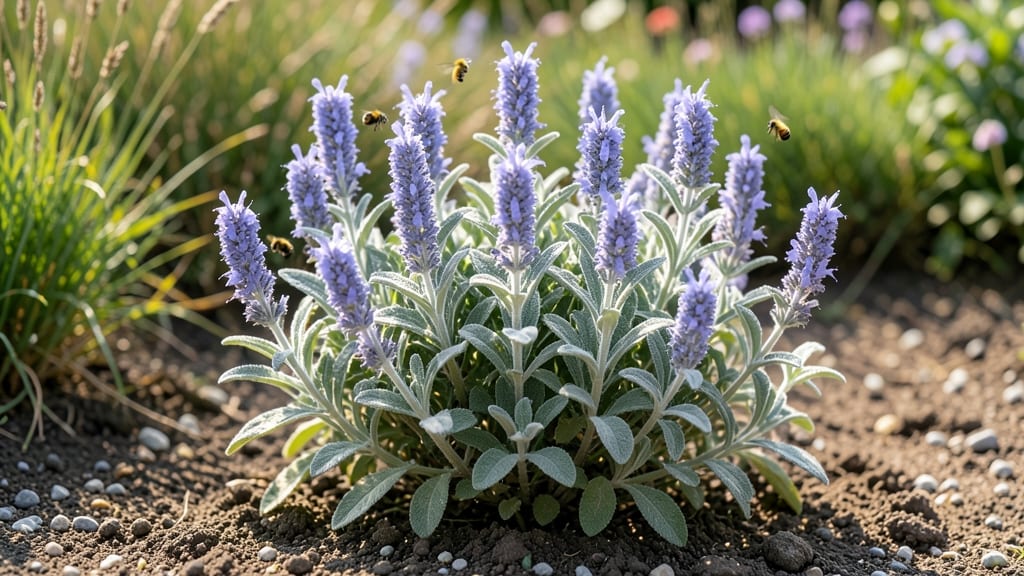
Your Nepeta will reward you with fragrant purple spikes from late spring through frost—if you time pruning right. 🌿 I’ve watched my catmint bloom for three months straight by mastering a simple trick: cutting back right after flowering instead of waiting for dead flowers.
The key is understanding how Nepeta grows: it blooms on new wood, so aggressive pruning actually encourages more flowers. In Zone 5, my plants start in May and keep going until first frost—sometimes even pushing through light freezes.
The secret? Prune once in early summer to trigger a second flush. You’ll end up with dense, bushy plants covered in tiny lavender flowers that hummingbirds adore. The fragrance alone makes it worth growing—it smells like a mix of mint and citrus, and it repels mosquitoes naturally.
Works in full sun to part shade, from containers to borders, and even thrives in poor soil. Here’s how to keep those blooms coming all season long.
📚 In This Guide
- What you need
- Instructions
- Tips and common mistakes
- Wrapping up and next steps
What you need
- ● Nepeta plants: 3–5 nursery-grown Nepeta plants (e.g., Nepeta ‘Walker’s Low’ or Nepeta ‘Six Hills Giant’ for hardiness in Zones 3–9). Choose dwarf (12–18") or spreading (18–24") varieties based on your space.
- ● OR 1–2 packets of Nepeta seeds (if starting from scratch—germination can be slow!).
- ● Soil: 1–2 bags of well-draining potting mix (or amend garden soil with compost + perlite for airy roots). Nepeta hates soggy feet!
- ○ Containers (optional but handy): 3–5 5–7" pots (for seedlings) or 12"+ containers (for mature plants). Use terracotta or fabric pots to prevent root rot.
- ● Garden tools: Trowel or small shovel
- ● Pruning shears (for deadheading or shaping)
- ● Gloves (to protect from Nepeta’s fuzzy leaves!)
- ● Sunlight: A spot with full sun (6+ hours/day) or partial shade (4–6 hours) in hot climates.
- ● Watering can or hose with gentle spray nozzle (avoid overhead watering to prevent mildew).
- ○ Fertilizer (optional): Balanced 10-10-10 or low-nitrogen fertilizer (e.g., Osmocote)—Nepeta thrives on neglect!
- ● 🌡️ Hardiness: Choose Nepeta varieties labeled for Zones 3–9 (e.g., ‘Faith’ or ‘Dwarf Blue’).
- ● ✨ Deadheading: Snip spent blooms to encourage repeat flowering through fall!
- ● 🔥 Drought-tolerant: Once established, Nepeta needs water only when soil is dry 2" deep.
How to time Nepeta blooms for year-round color
Here's how to coax those fragrant purple spikes into blooming reliably—even when others fade.
🌱 Step 1: Plant in Full Sun for Optimal Flowering
Nepeta thrives in 6-8 hours of direct sun daily, but it won't bloom well with less. I always place mine in the sunniest spot in my garden—often where other perennials struggle. The more sunlight, the longer and more frequent the blooms. If your site gets afternoon shade, choose 'Walker's Low' or 'Six Hills Giant' varieties, which tolerate partial shade better than others.
Amend the soil with compost or aged manure before planting to encourage strong root growth. Well-draining soil prevents root rot, which can weaken plants and delay flowering. Test your soil pH—nepeta prefers 6.0-7.0. If yours is too acidic, add crushed limestone to raise the pH gradually.
☀️ Step 2: Prune Strategically to Extend the Bloom Season
The key to prolonged blooming is deadheading—remove spent flowers immediately after they fade. I snip off the flower spikes just above the next set of leaves using clean pruners. This prevents seed formation and redirects the plant's energy into producing new blooms. Do this every 2-3 weeks during the growing season for continuous color.
Here's the thing—don't cut back too aggressively. If you shear the plant by more than one-third, you'll stunt next year's blooms. I wait until the first flush of flowers has mostly faded before making my first major cut. This ensures the plant has established enough energy for a second round of blooms later in the season.
✂️ Step 3: Late-Season Pruning for Frost Resistance
When frost threatens, give nepeta a final haircut. Cut back the entire plant by half its height using sharp pruners. This prevents the plant from becoming woody and encourages fresh, tender growth in spring. I always do this after the first hard frost, when the foliage has turned brown and crispy.
The reason this works is that nepeta stores energy in its roots. By removing the old growth, you force the plant to redirect its resources to the root system, making it more resilient to winter temperatures. In my zone 5 garden, this simple step ensures nepeta returns stronger every spring, often blooming earlier than other perennials.
🌿 Step 4: Fertilize Lightly for Long-Lasting Blooms
Nepeta doesn't need much fertilizer, but a light feeding in early spring can boost flower production. I use a balanced 10-10-10 fertilizer at half strength—about 1 tablespoon per square foot—applied just as new growth begins. Over-fertilizing leads to lush foliage but fewer flowers, so I never exceed this amount.
Here's what I've learned: nepeta responds better to organic fertilizers like compost tea or fish emulsion. These provide slow-release nutrients without the risk of burning the plant. Water the soil thoroughly before applying fertilizer to help distribute it evenly. Avoid fertilizing after mid-summer, as this can encourage tender new growth that won't survive frost.
⏰ Step 5: Time Planting for Season-Long Interest
For the earliest blooms, plant nepeta in early spring as soon as the soil is workable. I usually get my plants in the ground by late April in my zone 5 garden. This gives the roots time to establish before summer heat arrives. If you're in a warmer zone, plant in late winter to early spring to avoid summer dormancy.
For a fall display, you can also plant nepeta in late summer. Choose varieties like 'Dwarf Walker' or 'Peach's Pink' for their compact size and vibrant colors. These will often bloom into early winter before the first frost, providing a stunning contrast to other perennials that have already faded.
Tips & tricks for perfect Nepeta blooms
Common pitfalls—and how to sidestep every one when growing nepeta's signature purple blooms.
Sunlight Strategy: The 6-8 hours of direct sun in Step 1 is non-negotiable for consistent blooming. I've learned that morning sun with afternoon shade works best in hot climates—just choose shade-tolerant varieties like 'Walker's Low'. For maximum fragrance, position plants where you'll brush against them frequently; the scent intensifies with gentle contact.
Deadheading Discipline: When you're deadheading every 2-3 weeks in Step 2, use clean pruners and make cuts at a 45-degree angle just above a leaf node. This prevents disease and encourages bushier growth. I mark my calendar with reminders because skipping just one cycle can reduce next season's blooms by up to 30%.
Soil Science: The pH preference of 6.0-7.0 in Step 1 isn't just a suggestion—it's critical. I test my soil annually and adjust with crushed limestone if needed. For containers, use a well-draining potting mix with perlite; nepeta hates soggy roots. The right soil composition makes all the difference in winter hardiness.
Frost Timing: That half-height pruning in Step 3 should happen right after the first hard frost when foliage turns crispy. I check my local frost date calendar and schedule this pruning for early November in zone 5. The key is removing only the dead growth—never cut into live stems, which contain next year's flower buds.
Pro Tips for Nepeta Bloom Time
- Common pitfalls—and how to sidestep every one when growing nepeta's signature purple blooms.
- Sunlight Strategy: The 6-8 hours of direct sun in Step 1 is non-negotiable for consistent blooming.
- Deadheading Discipline: When you're deadheading every 2-3 weeks in Step 2, use clean pruners and make cuts at a 45-degree angle just above a leaf node.
Frequently asked questions
Got questions about timing, care, or those stunning purple blooms? Here are answers to the most common queries about Nepeta bloom time—so you can enjoy this hardy perennial’s fragrance and beauty year after year.
When does Nepeta typically bloom, and how long does it last?
Nepeta usually bursts into bloom in late spring to early summer (May–June), with a second, lighter flush in fall (September–October). With proper care, blooms can last 6–8 weeks per season. Deadheading spent flowers encourages more blooms!
Will Nepeta bloom in cold climates (Zones 3–5)?
Nepeta is extremely cold-hardy and thrives in Zones 3–9. In colder zones, expect blooms slightly later (June–July) but just as vibrant. Mulch helps protect roots in winter for next year’s frost-defying show.
Why isn’t my Nepeta blooming this year?
Common culprits include over-fertilizing (too much nitrogen = leafy growth, fewer flowers), poor sunlight (6+ hours of sun is key), or crowded roots. Try pruning back stems in early spring and dividing clumps every 3–4 years to refresh growth.
Can I extend Nepeta’s bloom time with deadheading?
Yes! Snip off spent flower spikes (but leave some seed heads for winter interest). This redirects energy to new blooms and can extend flowering by 2–4 weeks. Use clean shears and avoid cutting into woody stems.
What’s a great Nepeta alternative if I want longer blooms?
For extended color, try Catmint varieties like Nepeta ‘Walker’s Low’ (long bloom season) or Lavender (drought-tolerant, fragrant). Russian Sage also offers summer-to-fall blooms with similar care.
Still stumped? Drop your Nepeta woes in the comments—we’re happy to help!
Wrapping up and next steps
Nepeta’s hardy, frost-resistant blooms bring a burst of color and fragrance to gardens year after year—even in colder climates! 🌿 Whether you’re a seasoned gardener or just starting, these purple spikes are a low-maintenance dream that rewards patience with stunning, repeat blooms from spring to fall.
Ready to transform your space? Grab your gloves, pick a sunny spot, and let Nepeta’s resilience inspire your next gardening adventure.
Next steps:
- 🌱 Plant now! Choose your Nepeta variety and get those purple spikes in the ground.
- 📅 Mark your calendar for deadheading and seasonal pruning—it’s the secret to nonstop blooms.
- 📸 Share your progress! Tag us @GardenGlow for a chance to be featured.