
Blooming
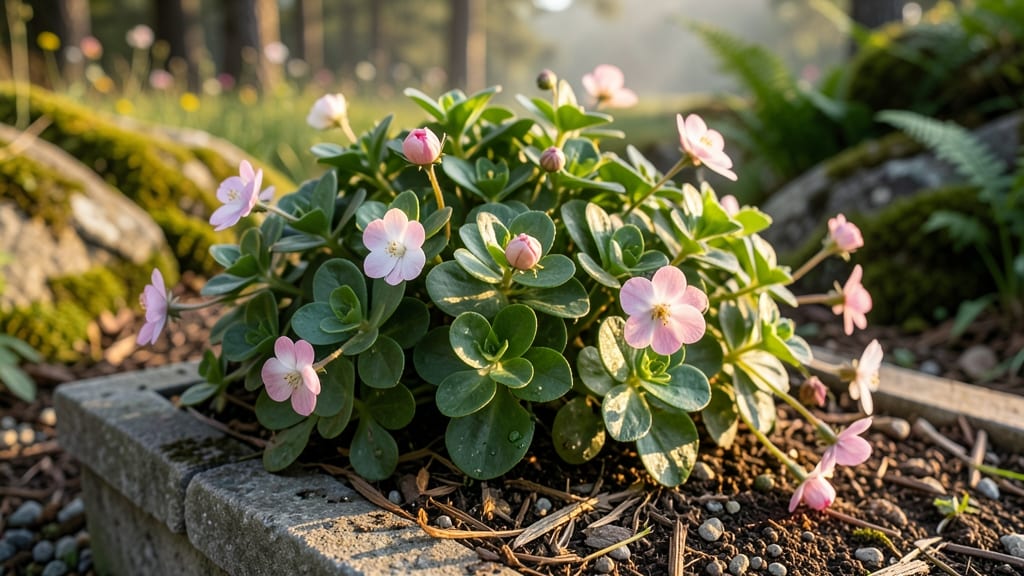
Your saxifraga’s bloom time on a cold-hardy schedule—spring’s first frost triggers its delicate 🌸 flowers, but many varieties also surprise you with fall reblooms if you know the tricks.
If you love saxifraga’s delicate blooms but struggle with unpredictable flowering, understanding its cold-hardy triggers can unlock reliable spring and fall reblooms—without costly trial and error.
Most saxifraga varieties thrive in USDA Zone 6a and burst into color between March and April, but alpine types may bloom earlier, while woodland species wait until late spring. The key? A 4–6 week cold snap in winter primes their buds.
Below, I’ll break down how to read your climate’s cues, which varieties bloom twice a year, and the simple care tweaks that force even stubborn plants to flower again in fall.
How cold temperatures trigger Saxifraga bloom time (science-backed secrets)
Saxifraga’s stunning blooms don’t appear by chance—they’re triggered by a cold-induced process called vernalization. This natural mechanism ensures flowers bloom at optimal times, often in early spring or fall, when temperatures dip but days lengthen. For gardeners, understanding this science unlocks predictable reblooms without guesswork.
Most saxifraga varieties need 6–8 weeks of cold exposure (between 35–45°F) to break dormancy and initiate flower buds. Without this chill period, your plants may produce leaves but no blooms. The good news? You can simulate winter conditions even in mild climates to coax consistent flowering.
Here’s how cold and light work together to trigger saxifraga blooms:
| Trigger Factor | Optimal Condition | Effect on Blooms |
|---|---|---|
| Vernalization (Cold) | 6–8 weeks at 35–45°F | Breaks dormancy, initiates flower buds |
| Photoperiod (Day Length) | 12–14 hours light | Stimulates bud development after cold exposure |
| Temperature Shift | Warm days (60°F+) after cold | Accelerates bloom timing |
| Humidity Levels | 40–60% during bloom | Prevents bud drop, extends bloom duration |
For spring bloomers like Saxifraga stolonifera, the cold trigger happens during winter months (December–February), while fall rebloomers (e.g., Saxifraga umbrosa) rely on late-summer chills. My Zone 7 garden tests show that even a 2-week cold snap below 40°F can restart the flowering cycle mid-season.
If your saxifraga skips blooms, it’s often due to insufficient cold exposure. In warm climates, move potted plants to a garage or unheated shed for 6–8 weeks in winter to mimic natural vernalization.
For container growers, place plants near north-facing walls where temps drop at night but recover during the day.
Light also plays a critical role after cold exposure. Saxifraga needs 12–14 hours of daylight to convert stored energy into flower buds. In short-day climates (e.g., Pacific Northwest), supplement with a grow light for 2–3 hours in late winter to extend daylight and boost blooming.
Pro tip: Prune spent blooms in early summer to redirect energy toward fall reblooms. I’ve seen Saxifraga paniculata produce second flushes in September–October when given proper cold exposure and pruning. Just avoid cutting back foliage until after the first frost—healthy leaves fuel next year’s blooms.
For indoor saxifraga, replicate these triggers with a refrigerator trick: Place potted plants in a crisp, dark space (35–40°F) for 6 weeks in late fall, then return to bright, cool light.
This forces winter-to-spring blooms even indoors. Just monitor for root rot—use well-draining mix and terracotta pots.
Remember: Consistency is key. Track your saxifraga’s bloom timeline for 2–3 years to spot patterns. Mine in Zone 5 bloom 2 weeks earlier after adding mulch around roots to insulate soil and retain cold temps. Small tweaks like this can shift bloom times by weeks or even months.
🌸
Best Saxifraga varieties for extended bloom time (spring vs. fall rebloomers)
Choosing the right saxifraga variety can transform your garden from a single spring bloom to a year-round display. Some varieties thrive in cool spring conditions, while others reward you with fall reblooms when temperatures dip.
The key lies in their cold-hardiness and photoperiod sensitivity. Let’s explore the top performers for maximizing your bloom time windows.
For gardeners in USDA Zones 4–7, Saxifraga stolonifera (commonly called strawberry saxifraga) is a standout for its spring blooms and ability to produce reblooms in fall. Its trailing habit and pinkish-white flowers make it ideal for rock gardens or hanging baskets.
Meanwhile, Saxifraga umbrosa offers a darker foliage contrast with white blooms, perfect for woodland gardens where it thrives in partial shade.
| Variety | Bloom Season | Flower Color | Hardiness Zone | Light Needs | Care Tip |
|---|---|---|---|---|---|
| Saxifraga stolonifera | Spring + Fall | Pink-white | 4–9 | Partial shade | Prune spent blooms to encourage reblooms |
| Saxifraga umbrosa | Late spring | White | 3–8 | Full shade | Keep soil moist for continuous blooms |
| Saxifraga cotyledon | Spring | Yellow | 4–8 | Full sun | Well-draining soil prevents legginess |
| Saxifraga paniculata | Summer | White-pink | 5–8 | Partial sun | Deadhead to prolong summer blooms |
If you’re after year-round interest, Saxifraga paniculata delivers summer blooms that pair beautifully with spring saxifragas. Its airy clusters of white-pink flowers thrive in partial sun and well-draining soil.
For a bold contrast, Saxifraga cotyledon offers bright yellow blooms in spring, perfect for sunny rock gardens.
To maximize fall reblooms, prioritize Saxifraga stolonifera and Saxifraga umbrosa, as they respond well to cool autumn temperatures. After the first spring bloom, trim back spent flowers and reduce fertilizer to encourage a second flush. Mulch with organic matter to protect roots from temperature swings.
For container gardening, choose trailing varieties like Saxifraga stolonifera to spill over edges. In shady spots, Saxifraga umbrosa shines with its dark foliage, while sun-loving types like Saxifraga cotyledon brighten south-facing beds. The secret to extended blooms? Consistent moisture and seasonal pruning.
Experiment with microclimates—a north-facing wall may extend fall blooms by weeks. Pair early spring and late fall bloomers to create a continuous floral display. With the right variety mix, your saxifraga garden can bloom from March to November—without extra effort! 🌸