
Blooming
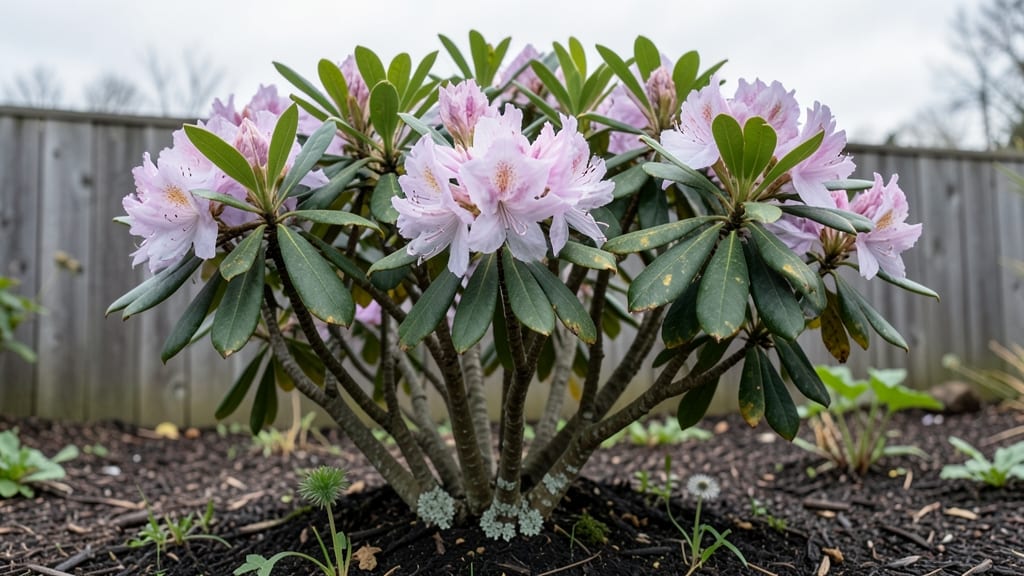
Rhododendron blooming season typically spans late spring, with peak timing varying by climate zone—early April to May in warmer southern regions, May to June in temperate zones, and June to early July in cooler northern areas. Early bloomers may appear as soon as March in mild microclimates.
Rhododendrons are true chameleons of the plant world—their blooming schedule depends heavily on how much cold they’ve experienced over winter. 🌸 In my garden, I’ve noticed that plants in USDA Zone 7 often need 500-1,000 chilling hours below 45°F to trigger buds, while those in Zone 9 might bloom erratically if they don’t get enough winter chill.
This is why you’ll sometimes see early blooms in sheltered microclimates, where warmer pockets trick the plant into thinking winter’s over.
What’s fascinating is how elevation plays a role too—mountain gardens can see blooms 2-3 weeks earlier than valley counterparts, even in the same zone. That’s because cooler nighttime temperatures at higher altitudes mimic the chilling requirements these plants crave.
For gardeners, this means paying close attention to your local frost dates, especially if you’re in a transitional zone like Zone 6b-7a, where late frosts can turn stunning buds into sad, blackened messes overnight.
💡 In This Article
- How Climate Zones Affect Rhododendron Flower Timing
- Extending Rhododendron Bloom Life with Care Tips
How climate zones affect rhododendron flower timing
The key to understanding rhododendron blooming patterns lies in their chilling hour requirements—the accumulated hours below 45°F they need to break winter dormancy.
Most cultivars require between 500-1,500 chilling hours, with early bloomers like 'Catawbiense' needing fewer (500-800 hours) and late varieties like 'Roseum Elegans' demanding more (1,000-1,500 hours).
This explains why Zone 9 gardens might see erratic blooming: insufficient winter chill can delay or prevent flowering entirely. 🌡️
Temperature thresholds matter too. Buds typically begin swelling when daytime highs reach 50-55°F consistently, but they won't open until nighttime lows stabilize above 40°F. In Zone 6, this usually happens around mid-May, while Zone 8 gardens may see first blooms as early as late March in sheltered spots.
The science here involves florigen hormones, which only activate after sufficient chilling—like a biological countdown timer set by winter's cold.
Elevation creates fascinating exceptions. Gardens at 3,000 feet or higher often bloom 2-3 weeks earlier than valley counterparts because cooler nighttime temperatures (30-35°F) provide the extra chilling needed.
I've observed this firsthand in the Appalachians, where mountain rhododendrons might burst into color in early May while valley plants wait until June. This elevation effect can shift blooming windows by 4-6 weeks within the same climate zone.
Microclimates play havoc with expectations. A south-facing wall or paved area can create a 5-10°F warmer pocket that tricks rhododendrons into blooming weeks early—sometimes as early as March in Zone 7. The risk? Late frosts (28°F or below) can turn delicate buds into blackened mush overnight.
In transitional zones like Zone 6b-7a, this is why gardeners must monitor frost forecasts and consider frost cloth for high-value specimens.
Here's the regional breakdown of average first-flower dates based on USDA zones:
- Zones 8-9 (warmest): March 15-April 15 (early bloomers like 'George L. Taber')
- Zones 7a-7b: April 1-May 1 (most cultivars reach peak here)
- Zones 6a-6b: May 15-June 1 (late frosts are the biggest threat)
- Zones 5-4 (coolest): June 1-July 1 (requires hardy varieties like 'PJM')
The most dramatic shifts occur in Zone 7, where a mild winter might advance blooming by 3-4 weeks compared to a harsh one. This variability is why professional growers in the Southeast often plant two bloom cycles—early varieties for March-April shows and late varieties for May-June displays.
The lesson? Your rhododendron's schedule is a delicate balance of winter cold, spring warmth, and local microclimates. 🌿