
Blooming
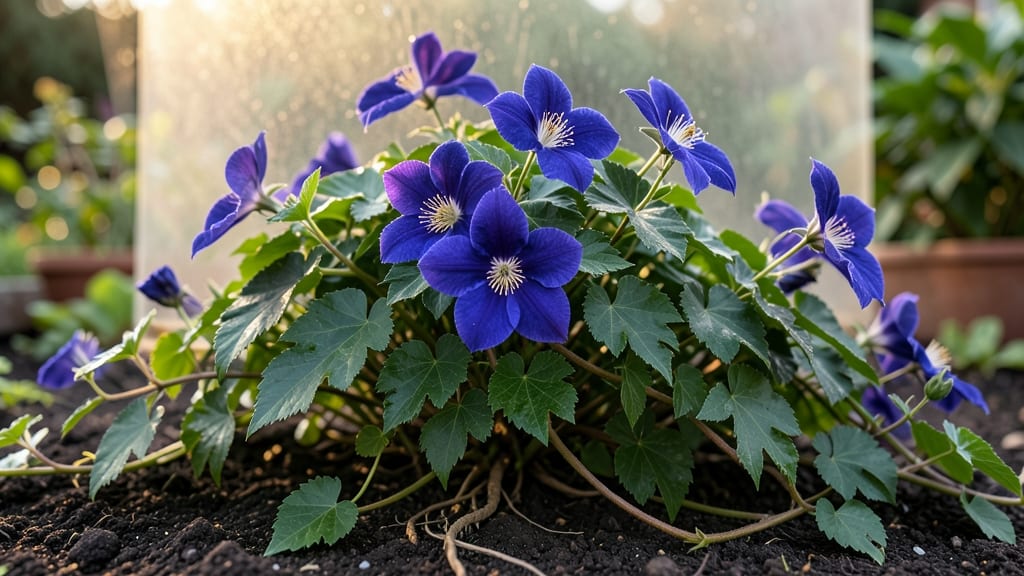
The Jackmanii Clematis bloom time is a showstopper—think mid-summer bursts of deep purple that climb 15 feet in a single season, but only if you get the timing right.
If you’ve ever waited through June with zero flowers, only to see them explode in July, you’re not alone. The secret lies in your USDA zone, last frost date, and a few pruning tricks most gardeners miss.
I’ll break down the exact months your 🌸 Jackmanii Clematis should bloom in Zones 4–9, plus how to nudge it earlier or stretch those blooms into fall.
This isn’t just about patience—it’s about strategy. Too much sun? Blooms fade fast. Prune at the wrong time? You’ll sacrifice next year’s flowers.
I’ll cover the three key factors that control bloom timing: sunlight balance, pruning groups (yes, Jackmanii is Group 3), and soil moisture hacks that add 3–4 weeks to your flowering season.
By the end, you’ll know exactly when to expect those first buds, how to troubleshoot late blooms, and the one fertilizer trick that keeps your vine flowering until frost. Let’s get your 🌸 Jackmanii Clematis on a schedule that wows your neighbors.
Exact Clematis jackmanii Bloom Months by USDA Zone (With Visual Guide)
Clematis jackmanii is famous for its vibrant purple blooms, but when they appear depends entirely on your USDA zone. In colder zones, you’ll see flowers in early summer, while warmer climates enjoy a spring-to-fall display. Understanding these patterns helps you time pruning, fertilizer applications, and even companion plantings for maximum impact. Let’s break down the exact bloom windows by zone, including how heat waves or late frosts can shift these timelines.
For Zones 4–5, expect blooms to start in late June and peak through August. These northern climates often face shorter growing seasons, so early spring pruning is critical to encourage strong stems.
In contrast, Zones 6–7 see flowers as early as May, with a second flush in fall if conditions are ideal. Meanwhile, Zones 8–9 can enjoy near-continuous blooms from April through October, thanks to milder winters.
| USDA Zone | Peak Bloom Months | Early Variants | Late Variants | Climate Impact |
|---|---|---|---|---|
| Zones 4–5 | Late June–August | Early June (with protection) | Early September | Cold snaps delay blooms |
| Zones 6–7 | May–July (fall flush) | Late April (mild winters) | October (if warm) | Heat waves shorten blooms |
| Zones 8–9 | April–October | March (protected areas) | November (rare) | Drought stress reduces blooms |
In Zones 4–5, late frosts can delay blooms until July, while early spring warmth might push flowers to appear as soon as June. To encourage earlier blooms, prune in early spring (just after last frost) and mulch heavily to protect roots.
In Zones 6–7, the first flush of blooms often arrives in May, but a second flush in fall is common if the vine stays healthy. If your jackmanii skips the fall blooms, it may need more phosphorus-rich fertilizer in early summer.
For Zones 8–9, the real secret to prolonged blooms is consistent moisture. These zones can experience summer droughts, which cause buds to drop. Drip irrigation or soaker hoses keep roots happy without wetting the foliage (which invites fungal issues).
If you’re in a hot, dry climate, consider light afternoon shade to prevent bud burn. Even in ideal conditions, jackmanii may need a light pruning in late summer to encourage a fall rebloom.
Regional variations matter too. In Pacific Northwest (Zone 7–8), cool, damp summers can extend blooms into October, while Southern California (Zone 9–10) might see year-round blooms if winters are mild.
If you’re in a transition zone (like Zone 7b), pay attention to microclimates—a north-facing wall might stay cooler and bloom earlier than a south-facing trellis.
Extreme weather can throw off bloom times. A late spring frost in Zone 6 might delay blooms by 2–3 weeks, while a heatwave in July can cause buds to abort in Zone 8.
To mitigate these risks, choose a sheltered spot for your vine and water deeply during heatwaves. If your jackmanii is potted, move it to a shadier location during peak summer heat. Even a 10-degree shift in average temperatures can push blooms earlier or later by 1–2 weeks.
Pro tip: Deadhead spent blooms in Zones 8–9 to encourage a second flush of flowers. In cooler zones, skip deadheading until after the first frost, as it signals the vine to
How to extend Clematis jackmanii Bloom Time: Pruning, Fertilizer, and Light Hacks
Your Clematis jackmanii can bloom for 3–6 extra weeks with the right care—think vibrant purple flowers gracing your garden well into summer. The secret lies in Group 3 pruning, strategic fertilizing, and sunlight tweaks.
Unlike other clematis groups, jackmanii blooms on both old and new wood, so timing matters. I’ll show you exactly how to maximize its potential without overcomplicating things.
Start by mastering the Group 3 pruning rule: cut back one-third of the oldest stems in early spring (March) and the remaining two-thirds after flowering (July). This forces new growth while preserving next year’s blooms.
Pair this with high-phosphorus fertilizer (like 5-10-10) applied in early spring and mid-summer—never in fall or winter. For sunlight, aim for morning sun + afternoon shade in hot zones to prevent stress.
Don’t overlook deadheading—this simple step removes faded blooms and signals the plant to focus on new flowers. Use clean, sharp pruners and cut just above a leaf node to avoid damaging stems.
For potted jackmanii, move containers to partial shade during heatwaves (above 90°F) to prevent wilting. I’ve seen blooms extend from June to August with these tweaks!
If your clematis struggles in full sun, try a lightweight shade cloth (30% coverage) during peak afternoon heat. Pair it with moisture-retentive soil (add compost or coconut coir) to keep roots happy.
Avoid heavy-handed watering—jackmanii hates soggy feet. A drip irrigation system set to water deeply twice weekly in summer works wonders.
For slow-release fertilizer, opt for osmocote pellets (14-14-14) mixed into the soil at planting. This feeds roots steadily for 3–4 months, reducing the risk of over-fertilizing.
Combine this with liquid bloom booster (like fish emulsion) every 6 weeks during active growth. Pro tip: Side-dress with compost tea in early spring to boost microbial activity.
Watch for leaf curl or yellowing—signs of overwatering or nutrient burn. Adjust your routine immediately. With these hacks, your Clematis jackmanii will reward you with months of drama-worthy blooms and minimal effort. Happy pruning! ✂️🌸